
By Mike Sparks
June is a fitting time to talk about fatherhood. Father’s Day began in 1910 when Sonora Smart Dodd of Spokane, Washington, proposed a day to honor fathers after being raised by her widowed dad. It took more than sixty years before Congress made it a permanent national holiday in 1972. And this June carries added meaning for Tennessee families.
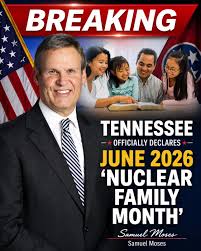 Governor Bill Lee signed House Joint Resolution 182, formally designating June as Nuclear Family Month in our state, defining a nuclear family as one husband, one wife, and their biological, adopted, or foster children. That history and that designation both matter because fatherhood matters, and right now America is losing ground.
Nearly one in four American children, roughly 18 million, grow up without their father at home. Research links father absence to higher rates of incarceration, addiction, teen depression, youth suicide, and teen pregnancy. It is not just personal, it is economic. A 2026 update from the National Fatherhood Initiative found the federal government spent $154.2 billion in a single year on assistance tied to father-absent households. Children with involved fathers, by contrast, perform better in school, exhibit fewer behavioral problems, and live healthier lives. A father’s presence is not a bonus. It is a public health intervention.
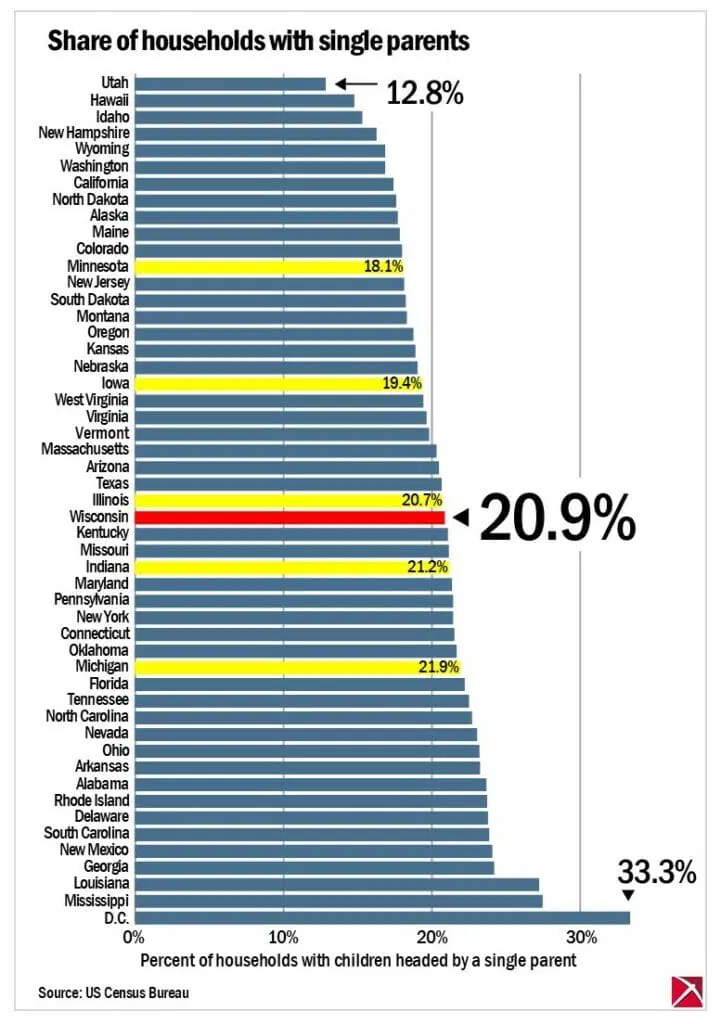
Tennessee is not immune. The Badger Institute ranks our state 28th among states and Washington, D.C., with 22.5% of children living in single-parent homes.
That is why I have sponsored HJR 131 and HJR 179 in the Tennessee General Assembly, to keep fatherhood and family stability at the center of the conversation, even when roughly 330 lobbyists in Nashville are pushing for everything else. There are now even taxpayer-funded lobbyists—I can promise you there not talking about these issues.
The legal system adds another layer. U.S. judges issue an estimated 2 to 3 million temporary restraining orders annually, with roughly 85% directed at men. Many believe a significant share are used as leverage in custody disputes. The consequences for children separated from loving fathers are real and lasting.
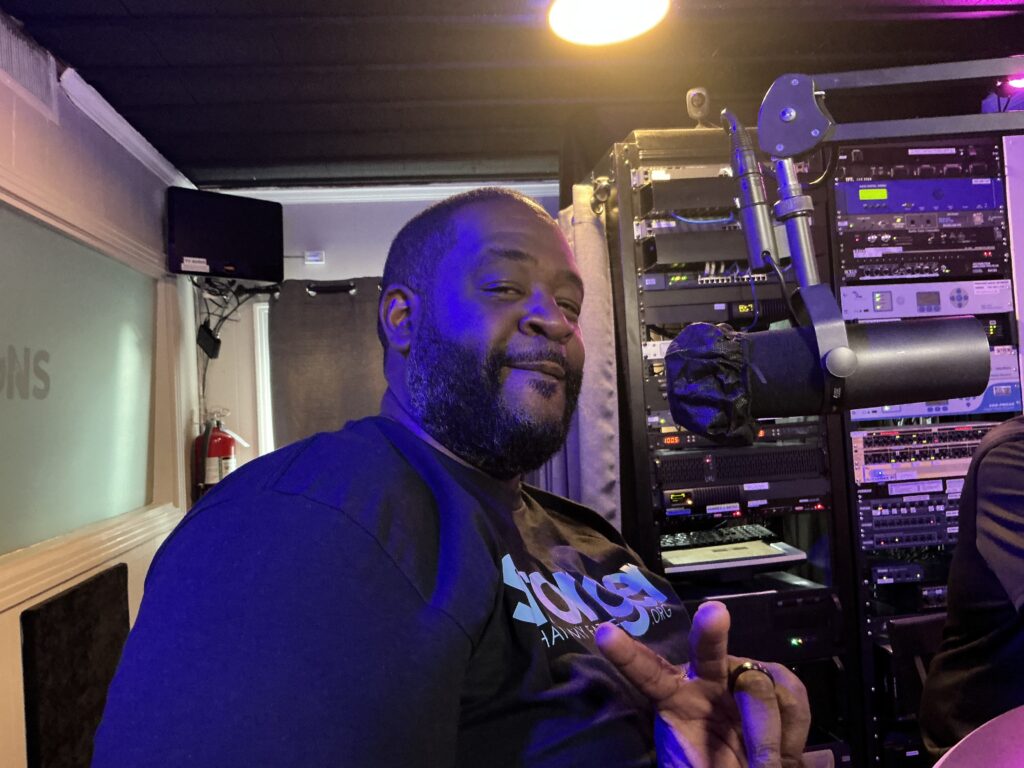
Right here in Middle Tennessee, Marcus Meneese is doing something about it. A Nashville native with a degree in psychology from Tennessee State University and a master’s in organizational leadership from Trevecca Nazarene University, Meneese founded Stronger Than My Father in 2013 after watching the ripple effects of fatherlessness up close. His nonprofit serves young men ages 9 to 17 living in homes without present fathers, providing mentorship, character development, academic support, and spiritual enrichment. His Stronger Sons program adds hands-on life skills including entrepreneurship, nutrition, and fitness. His motto says it plainly: “The cycle ends with me.” Learn more or support the mission at strongerthanmyfather.org.
Denying a child the presence of a loving father limits that child’s potential. Before we can fully address crime, poverty, or mental health in Tennessee, we have to be honest about this. Strengthening fatherhood is not optional. It is foundational.
____________________________________________________________________
By JOHN BLASE
God’s Word clearly indicates that fathers bring power to the parenting relationship.
As I watched the movie with my children, there were the usual suspects: a cute little girl, a dog, and a father who didn’t know he had a daughter but was about to get his chance at redemption. Throw in some Elvis Presley tunes and competitive professional sports for dramatic effect, and you’ve got one of those feel-good movies that tug at your heartstrings while tickling your funny bone.


Leave feedback about this