
By Mike Sparks
When I first read this story, I had to ask myself — who wants to jump into the restaurant industry today? Is this guy crazy?
America has always loved our risk takers and our underdogs.
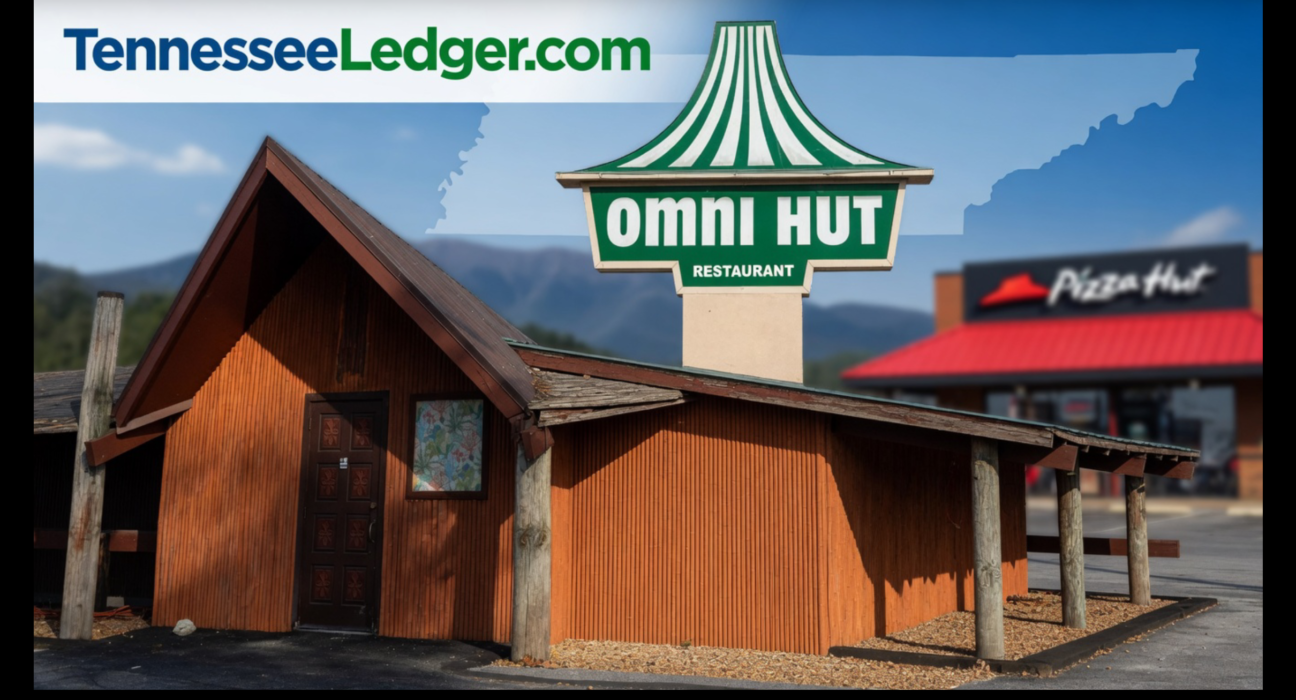
Right here in Smyrna, we’ve watched too many beloved local institutions disappear. None hit closer to home for me — and for thousands of other Tennesseans — than the iconic Omni Hut Restaurant.
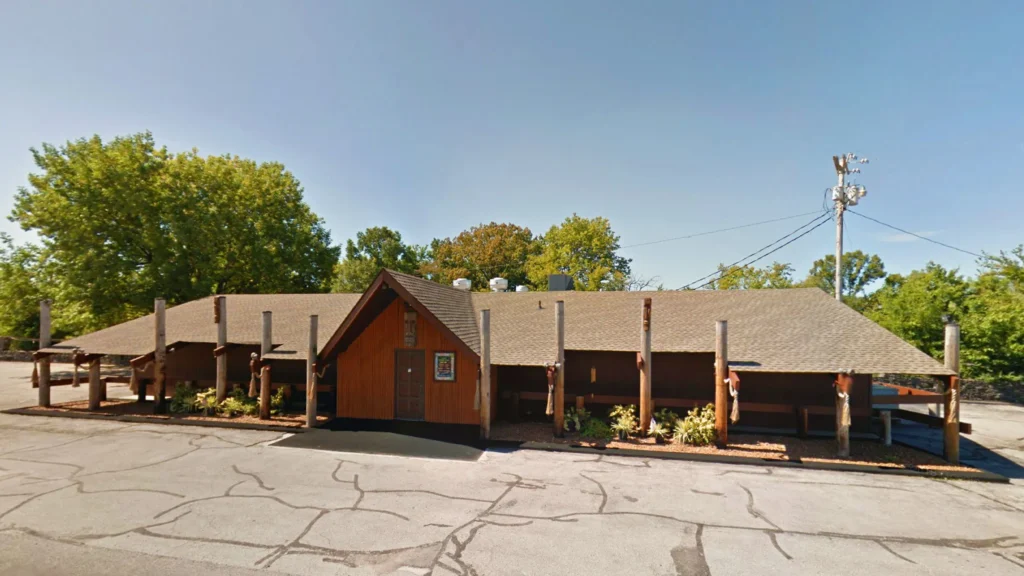
The building now sits vacant, but it represents a tremendous opportunity for someone to bring it back. The loyal customer base is still here and eager for its return.
Just yesterday, while having coffee with several business owners in Hendersonville, I mentioned the Omni Hut. One of them immediately told the group how he used to take dates there when he was single — just to impress them.
Major Jim Walls and Sally Walls were more than restaurant owners to me — they were my neighbors and mentors. They gave me my very first job at the Omni Hut when I was just 13 years old, working for $1.50 an hour. I would often walk along these Smyrna streets and the railroad tracks to work. Fortunately, the train never came while I was on the tracks—that was my biggest fear. On many occasions, when I saw Major Walls blue Chevrolet Impala he would give me a ride to work when he was heading in himself. I look back and enjoyed those conversations.
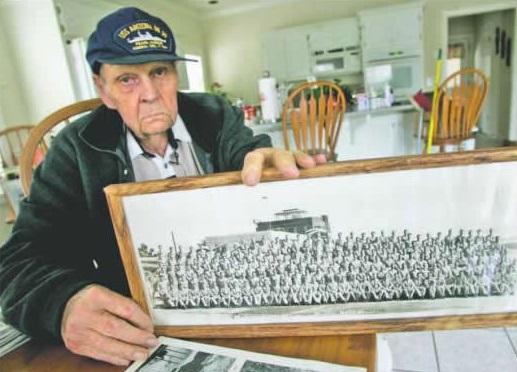
Major Walls was stationed at Pearl Harbor on December 7, 1941. He lived through the horror of that day, yet I never once heard him speak a bitter word about the Japanese people. Years later, when Nissan was being built nearby, I watched him treat the Japanese executives and managers who dined at the Omni Hut with the same warmth and respect he showed everyone else.
Let that sink in. A man who had watched his fellow soldiers die chose forgiveness over hatred. He chose decency over resentment. In a culture that often nurses old wounds and seeks reasons to stay angry with key board warriors, Major and Sally showed us a better way.
The Omni Hut wasn’t just a restaurant — it was a training ground. The number of young people from Smyrna, La Vergne, and Rutherford County who developed their work ethic within those walls is immeasurable. Working alongside friends and coworkers Ricky Potts and Mike Poteet, listening to Lynyrd Skynyrd after work, watching John Belushi on Saturday Night Live, and stopping by the Jim Dandy market on Old Nashville Highway to play Space Invaders — those were great times.
Major and Sally Walls gave an entire generation their 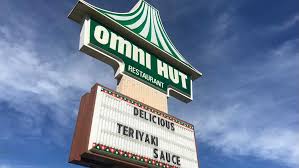 first taste of responsibility, accountability, and honest work — something that seems increasingly rare today. In fact, the very reason the Omni Hut ultimately closed was a shortage of labor. The work ethic it once instilled in young people had become harder and harder to find. Needless to say, I really worry about the future of our country.
Recently, during a Tennessee House Finance, Ways and Means Committee budget hearing, I shared with the Commissioner of Labor and the committee my strong belief that every 15- or 16-year-old would benefit enormously from working in a fast-food restaurant — even for a short time.
There’s real value in that first job: learning to give change back, delivering good customer service with a smile, handling difficult or grumpy customers with patience and professionalism, showing up on time, and contributing to a team that serves others. These aren’t just job skills — they’re life skills that build character, resilience, and work ethic.
I’m convinced our society would be stronger, our young people better prepared, and our communities kinder if more teenagers had that those life experiences early on.
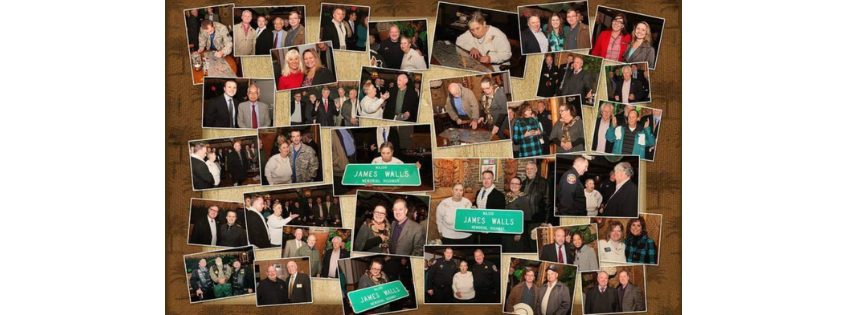
I was proud to be among the last customers at the Omni Hut — a bittersweet honor I will never forget. A special shout-out to owner Polly Walls-Balakhan for hooking me up one final round with that famous Omni Hut fried rice on the way out. I should clarify — Polly gave me my rice to go, and I paid for an elderly lady and her granddaughter who were dining in, so technically they were the last sit-down customers and I was the last takeout. Either way, I’ll take it.
So when I read about what Tim Sparks is doing with Pizza Hut, I thought I wish some optimistic entrepreneur would bring back the Omni Hut.
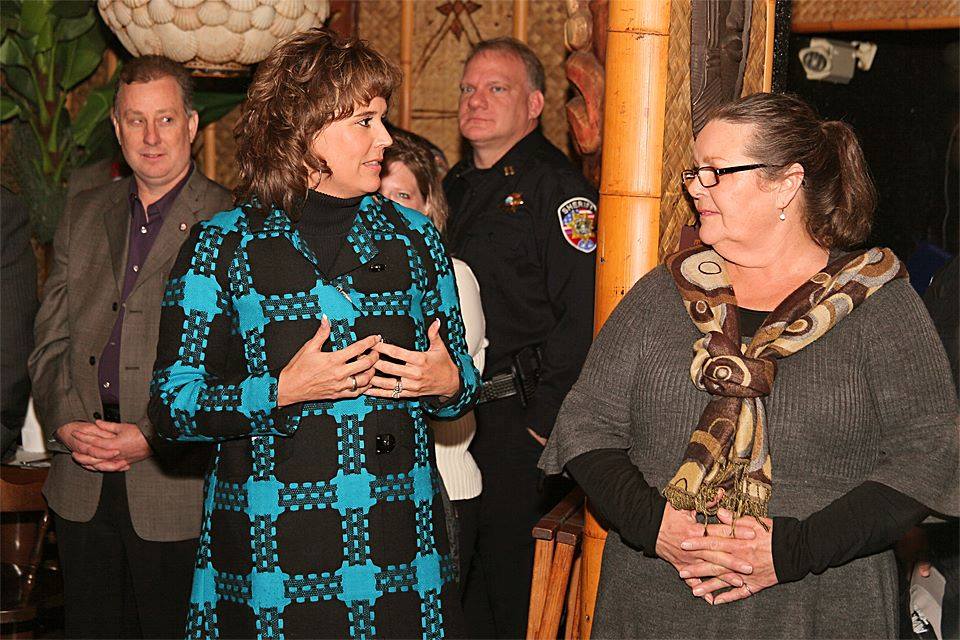
My friends Marc Carpenter, John Vanderworp, Gary Mercer, and Joe Walls — who also worked at the Omni Hut — all know the secret recipes.
I even saw a Facebook post this week by Smyrna Mayor Mary Esther Reed that said: “I would love to stop at the Omni Hut for takeout tonight — Tahitian Tidbits, Shrimp Fried Rice, and Sweet and Sour Chicken. I really miss that food!!”
Bringing Back a Classic
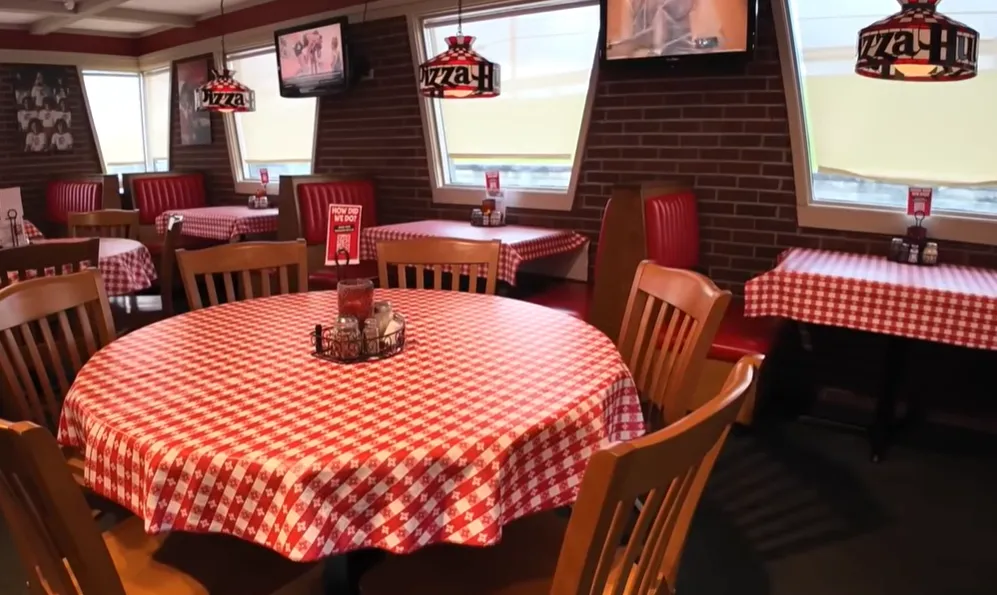
Tim Sparks, president of Kansas-based Daland Corporation, has transformed 38 Pizza Hut locations into what the company calls “Pizza Hut Classics.” Daland operates 93 Pizza Hut restaurants across several states. The remodeled locations are a love letter to a simpler time — red vinyl booths, checkered tablecloths, stained-glass style hanging lamps, salad bars, Pac-Man arcade machines, and the chain’s signature red plastic cups. Many locations also retain the recognizable red-roof exterior that older generations immediately associate with Friday night family dinners.
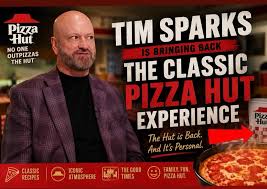 The effort follows Pizza Hut’s official “Classic Remodel” guidelines, though the push to convert dozens of stores has largely been driven by franchise operators like Sparks. His connection to the brand runs deep — it dates back to childhood family outings at Pizza Hut, and he later began working for the chain as a dishwasher in 1983 before working his way up to manager and eventually franchise operator.
The Quote That Got My Attention
Sparks says his goal goes well beyond nostalgia.
“If we can get them in here as a family, they do tend to put their phones down and actually have conversations and speak with each other,” Sparks said. “I’m not going to tell you I know how to fix the world. But I do think that family is a good place to start.”
As someone who thinks about legacy, community, and what we are leaving our grandchildren, that hit home. The Omni Hut is gone. The Shoney’s is gone. Both Arby’s in Smyrna and La Vergne are gone. But the need they filled — neighbors gathering, families connecting, young people learning what it means to show up and work hard — that need never goes away.
The first known Pizza Hut Classic remodel opened in Ashdown, Arkansas in 2019. Since then, more than 140 locations nationwide have adopted the retro concept. Unlike traditional marketing campaigns, the movement has grown largely through word of mouth and social media — customers and online influencers posting videos and photos, with some fans reportedly driving hours just to visit a restored location.
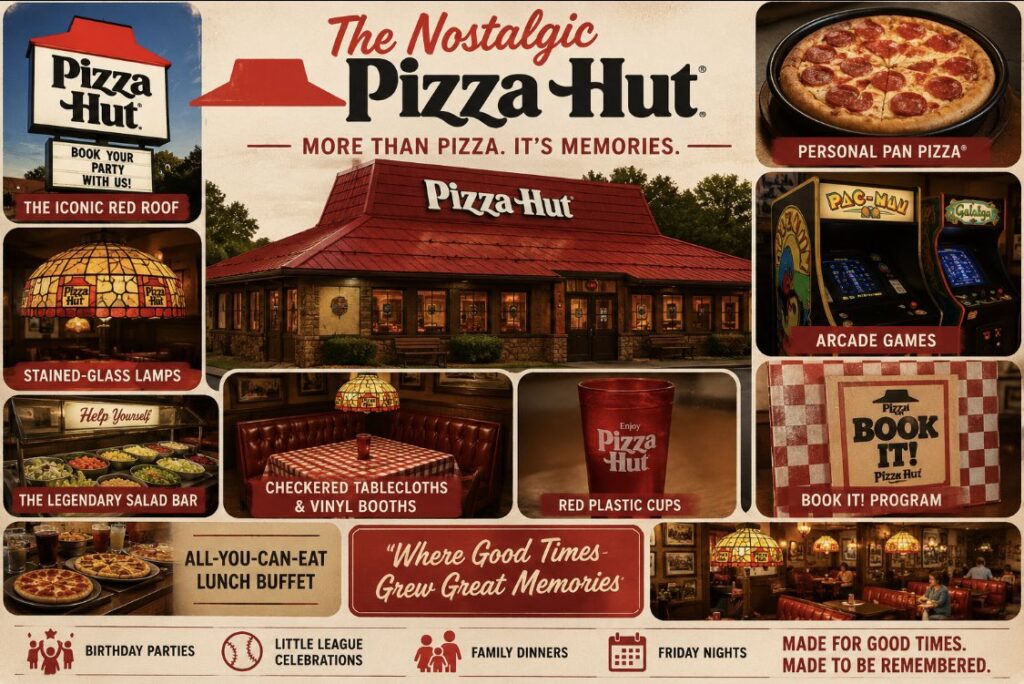
Outside several retro locations, plaques pay tribute to Pizza Hut founders Dan and Frank Carney, who opened the company’s first restaurant in Wichita, Kansas, using $600 borrowed from their mother. One plaque reads: “This Pizza Hut Classic celebrates our heritage with a design reminiscent of our original dine-in restaurants. It reminds us of the Pizza Hut where generations of Americans first fell in love with pizza.”
The nostalgia appears to be working. According to reports, retro-themed restaurants have become among Daland Corporation’s strongest-performing locations — proof that people are hungry for something real.
Leave feedback about this