
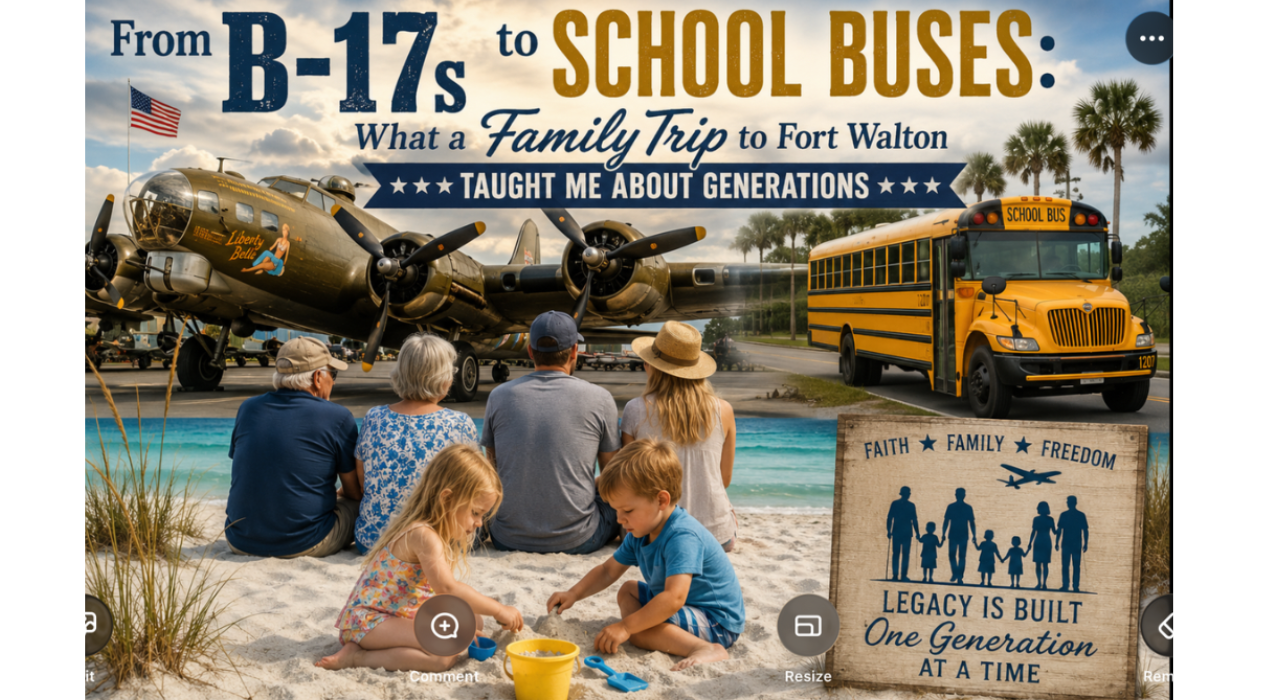
When four generations of family gather under one roof, a trip to the coast becomes far more than a getaway.
My wife, Felicia, wanted to bring our sons, grandbabies and her aging parents together in one place—and if there is anywhere Felicia loves to be, it’s the beach.
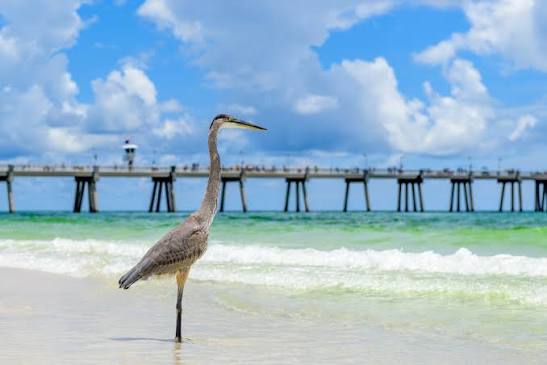
Stepping onto Fort Walton Beach, Florida, it is easy to understand why this stretch of shoreline is called the Emerald Coast. Powder-soft white quartz sand and turquoise waters create an unforgettable backdrop for making memories across generations.
Although we chose to drive, the Emerald Coast is convenient by road or air. The drive gave us time together and a chance to see more of the region. For those who prefer to fly, Destin-Fort Walton Beach Airport (VPS) is only a short drive from the beaches, with flights available from Nashville.
A B-17 Flying Fortress Got My Attention
As we drove into town, something along the roadside immediately caught my attention: a historic B-17 Flying Fortress proudly displayed among an impressive collection of military aircraft.
Seeing that bomber hit close to home.
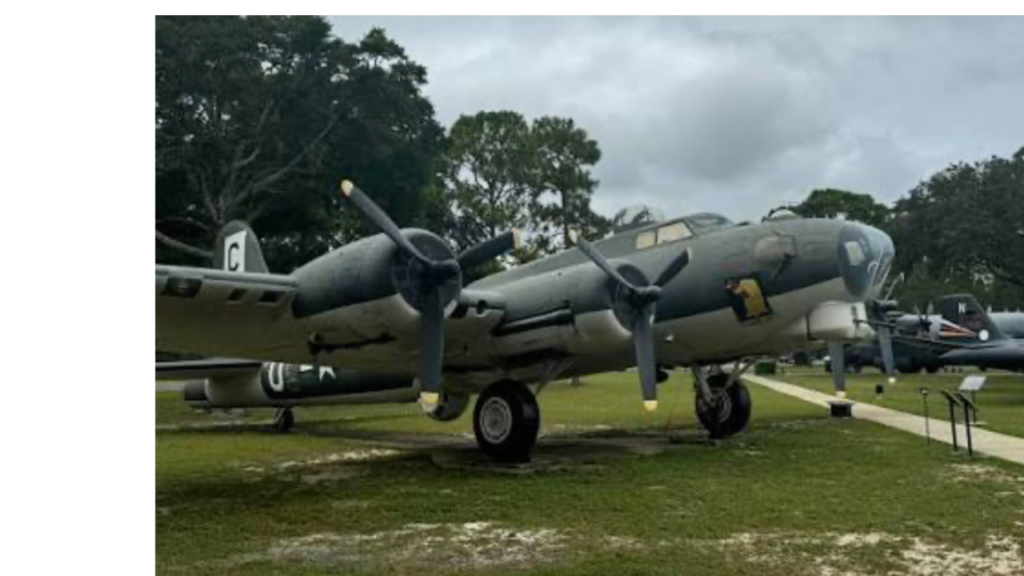
My late father, Sam Sparks, served in the U.S. Army Air Corps, later renamed U.S. Air Force, during World War II, flying 24 bombing missions over Germany in a B-17. He survived being shot down and crash-landing twice—once off the frozen coast of Greenland and another time in a farmer’s field.
Seeing that Flying Fortress immediately connected our family trip to my father’s legacy.
Years ago, my youngest son Payton and I had the unforgettable opportunity to fly aboard a B-17 ourselves. Payton was about 17 and I asked Payton to capture our flight on video.
Flying in the same type of aircraft my father’s generation took into combat was something I’ll never forget. Having my son beside me made it even more meaningful—a connection spanning three generations.
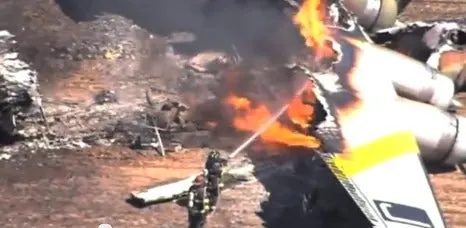
Sadly, the aircraft we flew aboard, the Liberty Belle, was later destroyed. In 2011, an engine fire forced the B-17 to make an emergency landing in an Illinois cornfield. Everyone escaped safely, but the fire engulfed the historic bomber.
Seeing another B-17 all these years later brought those memories rushing back.
Young Men Entrusted With Extraordinary Responsibility
There is another part of the B-17 story worth remembering.
The men who climbed aboard America’s bombers were remarkably young. Many were barely out of high school or college, yet they were entrusted with extraordinary responsibilities and sent into some of the most dangerous skies imaginable.
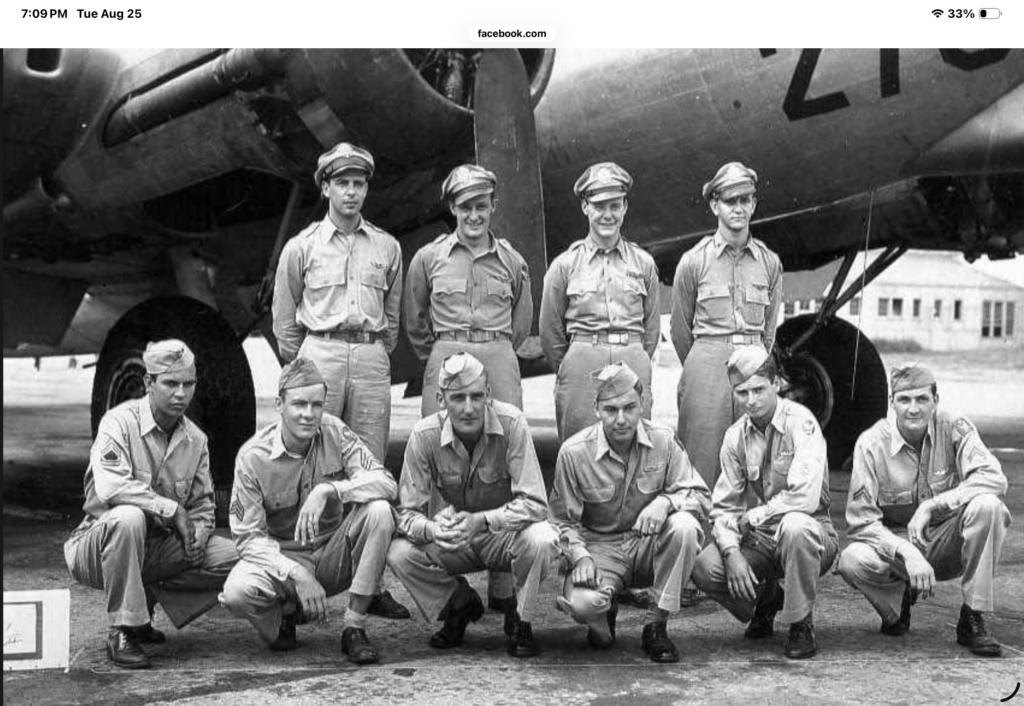
That contrast struck me for another reason.
Young Americans in their early 20s were trusted to pilot B-17s and B-24s on strategic combat missions during World War II. Yet today, Tennessee requires someone to be 25 years old to drive a school bus.
Whatever one’s view of the appropriate age, the contrast raises an important question: Are we unnecessarily closing the door on responsible young adults who could safely serve their communities?
The Human Cost Behind the Flying Fortress
The price paid by my father’s generation was staggering.
Tens of thousands of U.S. Army Air Forces personnel died during World War II, while thousands of B-17s and B-24s were lost. Many more airmen were wounded, shot down, captured or held as prisoners of war.
Behind every statistic was someone’s son, husband, brother, father or friend.
Aircraft like the B-17 and B-24, the bases that trained their crews, and—most importantly—the courageous young Americans who flew, maintained and supported them became part of the massive Allied effort that helped defeat Nazi Germany and liberate Europe.
My father was fortunate.
He came home.
Many of his fellow airmen did not.
That’s why I don’t see a B-17 simply as an impressive piece of engineering. I see the young men who climbed aboard those aircraft without knowing whether they would return.
From Sewart to Eglin
The connection also brought my thoughts home to Smyrna.
Many people may not realize the role Sewart Air Force Base, originally Smyrna Army Airfield, played in our community’s history. The military installation helped put Smyrna on the national map and became part of America’s enormous military mobilization during and after World War II.
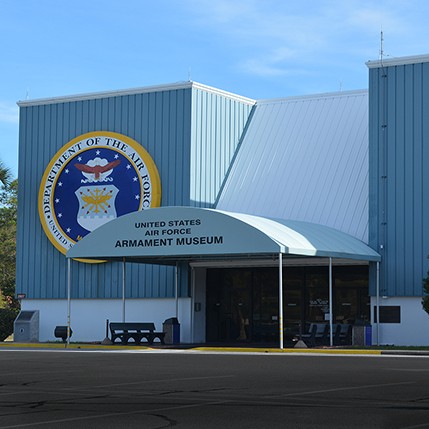
Fort Walton Beach has its own deep military connection.




Leave feedback about this