

October 13, 2026
Sparks Media of Tennessee 732 Nissan Drive Smyrna, Tn, 37167 USA
Community & Faith Partners & Civic Clubs Housing

Rep. Mike Sparks Continues to Push for Affordable Housing

Rep. Mike Sparks Tackles Affordable Housing
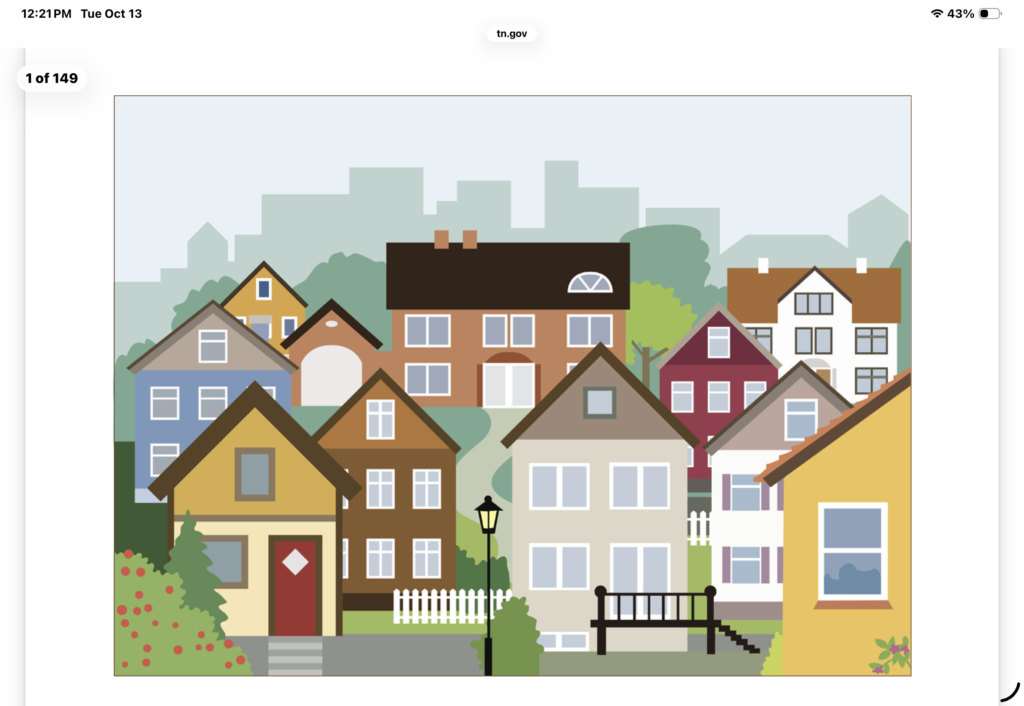
TACIR’s 2024 study, Reducing the Burden: Increasing Housing Supply to Lower Housing Costs, examines how Tennessee can expand housing supply and make homes more affordable.
I was proud to sponsor House Joint Resolution 139, which requested that the Tennessee Advisory Commission on Intergovernmental Relations (TACIR) study affordable housing and the factors driving housing costs across our state.
This issue is personal to me. Felicia and I bought our first home when I was 22 and she was 19. We still own that home today—it now serves as our business. I believe homeownership remains one of the most important parts of the American Dream, but for too many Tennesseans, it is slipping further out of reach.
Just yesterday, I picked up a hitchhiker—something I do not normally do—and dropped him off at the Motel Murfreesboro on Broad Street. I asked him how much he paid in rent. He told me $350 a week. That is more than $1,500 a month.

This week, I also learned that a school nurse friend of ours is facing a $200 rent increase, bringing her monthly rent to $2,000.
Something has got to give.
I do not pretend to have every answer, but I know Tennessee must do more to increase housing supply, reduce unnecessary barriers, and help working families stay in their communities. Churches, nonprofit organizations, local governments, and state leaders all have a role to play.


Ronald Reagan once said, “In this present crisis, government is not the solution to our problem; government is the problem.”
If you have ideas or suggestions, please email me at MikeSparksTn@gmail.com.
What TACIR Found
TACIR’s report, prepared in response to House Joint Resolution 139, looked beyond impact fees to examine the broader forces affecting housing affordability. The study reviewed homelessness, campground residents, manufactured housing, permitting fees, property assessments, housing inventory, and county vacancy rates.
The report’s central finding is simple: Tennessee does not have enough housing to meet demand. TACIR found that increasing the supply of homes—even at higher price points—can reduce pressure across the housing market and improve affordability for more people.
Recommendations and Legislative Action
Several recommendations from the study have already moved forward through legislation. A new law allows cities and counties to fund industrial development boards for multifamily affordable housing when certain Comptroller requirements are met.
Other recommendations encourage local zoning reforms, including mixed-use development and “missing middle” housing—such as duplexes, townhomes, and smaller multifamily buildings that fit between single-family homes and large apartment complexes.
The report also supports using state revenue or other funding sources for affordable housing trust funds and low-interest construction loans. A proposal involving property assessments after zoning changes was revised to use tax credits and apply only to metropolitan governments, but it did not pass.
TACIR continues to recommend that all local governments be authorized to create land banks, improve public access to information about surplus government property, and reserve certain state revenues for infrastructure projects that support construction jobs and housing development.
Read the Full Study
You can read TACIR’s complete 2024 report, Reducing the Burden: Increasing Housing Supply to Lower Housing Costs, here:
https://www.tn.gov/content/dam/tn/tacir/2024publications/2024_HousingAffordability.pdf[tn]

Leave feedback about this

  • Quality
  • Price
  • Service

PROS

+
Add Field

CONS

+
Add Field
Choose Image
Choose Video
X