












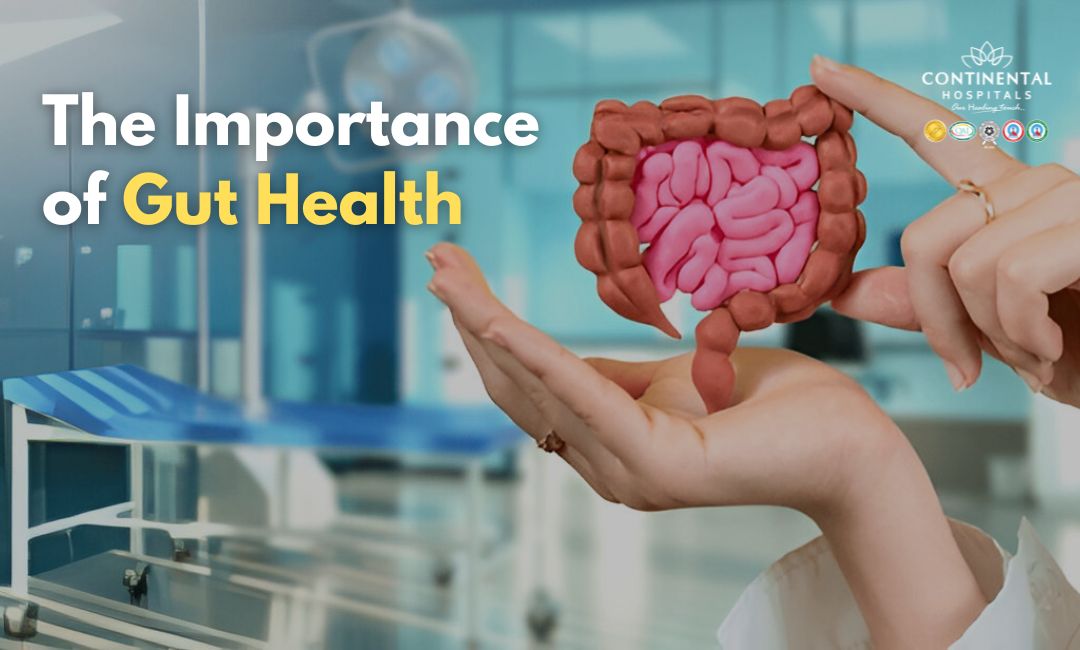
Editor’s Note: Gut Health—It’s All Connected
I’m not an expert in gut health by any means, but lately, I’ve been researching why our great state of Tennessee ranks 45th in the nation for obesity, type 2 diabetes, and other chronic health conditions. Sadly—and surprisingly—we also rank lower in life expectancy than most states and even many developed countries — Let that sink in.
This research ties into something I’ve been working on called the “Fresh Food Affordability Act,” which would remove the sales tax on fresh fruits and vegetables. The goal is simple: make it easier and more affordable for Tennesseans to eat healthy. But as I’ve dug into the data, I’ve come to realize that poor diet and unhealthy lifestyle choices are just part of a much larger issue—one that rarely gets serious attention or practical solutions at the state or local level.
Tennessee lawmaker proposes eliminating tax on fresh fruits and vegetables
WSMV News 4: State Rep. Mark Sparks said if passed, the bill could help families across the state save $96 million per year.
Economic Incentive:Carrot and Stick Approach:
That same mindset of encouraging responsibility rather than imposing mandates has guided other legislation I’ve worked on. For example, we’ve applied an old-fashioned “carrot and stick” approach—similar to what we did with the gun safe tax cut—to incentivize responsible gun ownership through the use of safes and gun locks. These policies reward Tennesseans who take proactive steps to protect their families and communities while respecting their constitutional rights. It worked! Gun safe sales and gun locks sales increased in a record amount — helping to get stolen guns off the streets and save lives.
Gun violence remains one of America’s most urgent crises, with 46,728 people dying from firearms in 2023 alone — including a record 27,300 suicides, marking the third consecutive year of record-high gun deaths. Stolen firearms are fueling a growing share of violent crime, with gun theft rates rising 42% in large urban areas between 2018 and 2022, and vehicles increasingly becoming prime targets — nearly one in ten vehicle break-ins resulted in a gun theft by 2022, up from one in twenty just four years earlier. Tennessee is not immune, as Memphis ranked highest among major American cities for gun theft rates at 546 stolen guns per 100,000 people — two to ten times higher than comparable cities — underscoring the urgent need for smarter policies around gun storage, mental health, and community safety.
My thanks to Mark Brasfield, owner of The Nashville Safe House, for his advocacy and testimony before the Finance Committee, as well as to my fellow lawmakers—Republicans and Democrats alike—for their bipartisan support of these common-sense efforts to build a safer, healthier Tennessee.
Capitol Connection and Microbes?
A few weeks ago, at our Rutherford County Capitol Connection meeting at the Chamber of Commerce—a gathering I always enjoy for the chance to hear questions and concerns from local business owners, realtors, doctors, nonprofit leaders, and others. After the meeting, Dr. Michael Torrence, President of Motlow College—one of my alma maters— stopped by to say hello and said, “You’ve been working out, haven’t you?” I laughed and replied, “Yes, but I just can’t seem to regain the strength I had in my 20s, 30s, or 40s.” He smiled and said, “Watch your diet and take care of your gut health.” I looked at him like he had three horns growing out of his head. Dr. Torrence went on to explain that his academic research focuses on how nutrition supports the body’s natural microbes, reduces inflammation, and strengthens the gut microbiome—the vast ecosystem of bacteria and microorganisms that works constantly to keep our bodies healthy.
That short exchange got me thinking about the science of aging, exercise, and gut health.
In fact, research suggests that resistance and weight training not only builds muscle but may also benefit gut health by decreasing zonulin levels and increasing mucin production—both helping to reduce gut inflammation. Scientists are also uncovering what they call the gut-muscle axis, a connection between physical strength and the health of our microbiome, though more research is still underway to fully understand how it all ties together.
____________________________________________________________________
According to Dr. Gerard Mullin at Johns Hopkins, as we age, our digestive system slows down and the balance of good bacteria shifts. That imbalance can affect inflammation, immunity, and even mood. The good news? We can take steps to reverse the trend.
Here are a few small but powerful habits that make a real difference:
• Eat smarter. Most people only get about half the fiber they need. Load up on fruits, veggies, kefir, sauerkraut, and kimchi to improve gut health.
• Rest up. Quality sleep affects metabolism, digestion, and recovery.
• Get moving. Exercise keeps your digestive system active and supports a healthy weight.
• Manage stress. Chronic stress can wreak havoc on your gut and immune system.
• Take care of your mind. The brain and gut are deeply connected—emotional health matters.
The more I learn, the more I realize it’s all connected—body, mind, and community. If we want a healthier Tennessee, it starts with awareness, access to better food, and simple lifestyle choices that build strength from the inside out.
Digestive system problems such as heartburn, gas, bloating and constipation reflect what’s happening throughout your body. “As we age, the natural cycles slow down and don’t work as well,” says Johns Hopkins gastroenterologist Gerard Mullin, M.D.
The main drivers of gut health change are shifts in stomach acid, gut immunity and gastrointestinal flora—the complex ecosystem of bacteria in your digestive system.
When gut health is good, he says, you’re less likely to experience damaging inflammation and lapses in immunity.
The following ways to protect your digestive system may sound surprising because they’re not just about diet. “Everything ties together,” Mullin says.
Eat the right foods.
“Americans’ fiber intake is 40 to 50 percent of what it should be,” Mullin says. A balanced diet rich in fruits and vegetables provides the fiber that builds good bacteria and gut health.
Other foods that build a healthy digestive system include kefir (a fermented milk drink that’s similar to yogurt and is rich in probiotics) and other fermented or pickled foods (such as kimchi, sauerkraut and pickled ginger).
Ask your health care provider about foods for specific problems such as constipation or bloating.
Get more sleep.
Not getting enough sleep is linked to a higher prevalence of obesity, which sets you up for digestive system disorders.
Move more.
As with other aspects of health, exercise is the best way to lose weight and maintain a healthy body weight to ward off digestive system problems.
Manage stress.
Reducing stress is fundamental to reducing heartburn, Mullin says. “There’s no magic diet that works.” Try relaxation therapies along with other distraction techniques.
Get help for issues like anxiety and depression.
Mood and digestive system health (especially disorders like irritable bowel syndrome) are closely linked via the brain-gut connection.
Originally adapted from Johns Hopkins Medicine News





Leave feedback about this