
December 2, 2025
Chicago 12, Melborne City, USA
How To Do More with Less Service

Don’t Get Caught Cold: 11 HVAC Checks Before Winter

Your Pre-Winter HVAC Checklist: 11 Critical Inspections
This week, as I walked through our home checking that windows and doors were properly sealed, I found myself wondering what else I could do to prepare for the upcoming cold months. So I reached out to my trusted HVAC expert, Josh Moss, owner of Affordable Heating and Cooling.
Josh has been my go-to guy for several years now. I purchased our business HVAC unit from him, and he’s always generous with his expertise—even offering troubleshooting advice over the phone when I needed to replace the blower motors on both our home and business units.
As temperatures drop and heating systems kick into high gear, winter can be unforgiving—especially if your HVAC system isn’t ready. A proactive inspection doesn’t just prevent costly breakdowns; it improves efficiency, ensures safety, and keeps your home comfortable all season long. Josh shared this comprehensive checklist of essential items every homeowner should review before the first freeze arrives.​​​​​​​​​​​​​​​​
1. Replace or Clean Air Filters
Dirty filters are one of the most common culprits behind HVAC inefficiency. When filters become clogged with dust and debris, they restrict airflow, forcing your system to work overtime while simultaneously reducing your indoor air quality. Make it a habit to replace or clean filters every 30-90 days, depending on your household’s usage, whether you have pets, and the type of filter you use.

2. Inspect and Test Your Thermostat
Your thermostat is the command center of your heating system. Test it to confirm it switches to heating mode correctly and responds to temperature adjustments. Verify that the displayed temperature matches the actual room temperature. If you’re still using an old manual thermostat, consider upgrading to a programmable or smart model that can optimize heating schedules and reduce energy waste.
3. Clear the Area Around Your Furnace
A cluttered furnace space is both inefficient and dangerous. Remove any stored items, cleaning supplies, or flammable materials near your furnace or air handler. Maintaining at least three feet of clearance ensures proper airflow, allows for safe operation, and reduces fire hazards.
4. Check Carbon Monoxide Detectors
This is a non-negotiable safety step. Replace batteries in all carbon monoxide detectors and test them to ensure they’re functioning properly. A malfunctioning furnace can leak this colorless, odorless, and deadly gas into your home. If your detectors are more than seven years old, replace them entirely.
5. Examine Your Ductwork
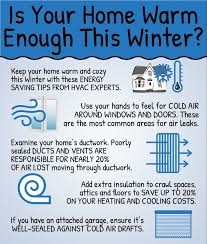
Take a walk through your basement, attic, or crawl space to visually inspect accessible ductwork. Look for visible gaps, disconnected joints, holes, or damaged insulation. Even small leaks can waste significant energy by allowing heated air to escape before it reaches your living spaces. Sealing these leaks with mastic sealant or metal tape can dramatically improve system efficiency and lower your energy bills.
6. Clean All Registers and Vents
Over time, dust, pet hair, and debris accumulate on supply and return vents throughout your home. Use a vacuum with a brush attachment to thoroughly clean these openings. Blocked vents restrict airflow, causing uneven heating, cold spots, and unnecessary strain on your HVAC system.
7. Inspect the Heat Exchanger
The heat exchanger is a critical component that separates combustion gases from the air circulating through your home. Cracks, corrosion, or other damage can allow carbon monoxide to leak into your living spaces. Because of the serious safety implications, this inspection should be performed by a licensed HVAC technician who has the training and tools to identify problems.
8. Test Emergency Heat Mode (for Heat Pumps)
If your home uses a heat pump, test the emergency or auxiliary heat function before you actually need it. During extreme cold snaps, your primary heat pump may struggle to keep up, and the backup heating system becomes essential. Confirm that it activates properly so you’re not left in the cold when temperatures plummet.
9. Check and Clear Outdoor Units
For heat pump systems, inspect the outdoor unit and clear away leaves, grass clippings, branches, and other debris. Trim back any vegetation to maintain at least two feet of clearance on all sides. If you have a separate air conditioning condenser that won’t be used during winter, consider covering the top to protect it from snow and ice, but leave the sides open to prevent moisture buildup.
10. Inspect and Lubricate the Blower Motor
Your furnace’s blower motor works hard all winter long to circulate warm air throughout your home. If accessible, check the blower compartment for dust buildup and clean it carefully with a soft brush or cloth. Some older motors have oil ports that require annual lubrication—consult your owner’s manual or have a technician handle this during a tune-up. A well-maintained blower runs more quietly and efficiently.
11. Schedule a Professional Tune-Up
Even with diligent DIY maintenance, nothing replaces the expertise of a certified HVAC technician. A professional tune-up includes cleaning internal components, testing electrical connections, measuring gas pressure and combustion, checking refrigerant levels (for heat pumps), and verifying safe operation of all system components. Catching small issues early prevents major failures during the coldest days of winter and can extend your system’s lifespan by years. Most HVAC companies offer service plans or seasonal specials—schedule yours in early fall before the rush begins.
Final Thoughts
I’ve learned that there are many unscrupulous operators in the HVAC industry who will push you toward an expensive new unit when a simple repair would do the job. That’s exactly why I trust Josh Moss and Affordable Heating and Cooling for both our business and family heating and cooling needs. Josh takes the time to diagnose issues honestly and only recommends replacements when they’re truly necessary—not when they’re simply profitable.
Winter HVAC preparation isn’t just about staying comfortable—it’s about protecting your investment, ensuring your family’s safety, and maintaining peace of mind throughout the heating season. Whether you tackle these tasks yourself or work with a professional, this checklist helps ensure your system is ready to handle whatever winter throws your way. A little prevention now can save you from expensive emergency repairs and uncomfortable nights when you need your heating system most.
For trusted, honest HVAC service, you can reach Josh and his team at Affordable Heating and Cooling at Phone: (615) 547-4209 Or office at 5540 E Division St. Mt. Juliet Tennessee. The company has a rare 5 Star rating online. When it comes to keeping your family warm this winter, it pays to work with someone who values integrity as much as expertise.​​​​​​​​​​​​​​​​

Leave feedback about this

  • Quality
  • Price
  • Service

PROS

+
Add Field

CONS

+
Add Field
Choose Image
Choose Video
X