












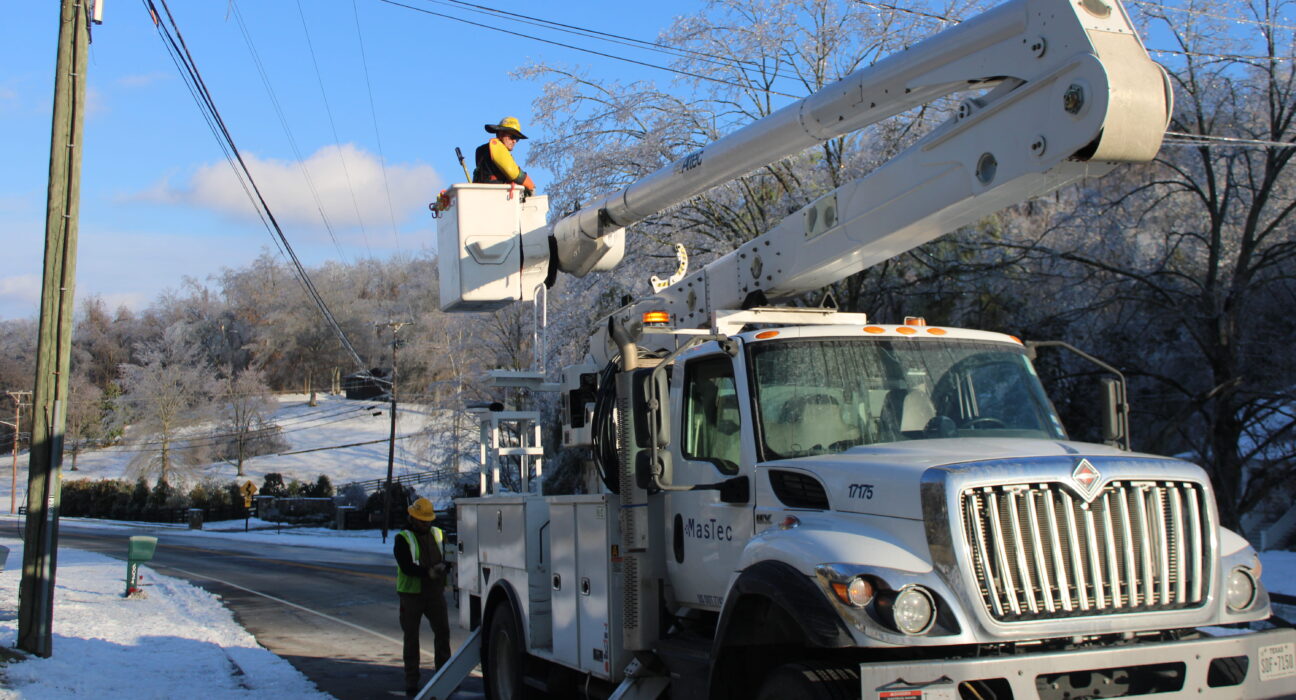
The winter storm proved that emergency response isn’t enough. Nashville needs full-time emergency management leadership focused on planning, coordination and accountability.
More than two weeks after the ice storm, too many Nashvillians are still living with the consequences. Families were without heat for days.

Parents scrambled to keep their kids warm. Schools closed. Lives were lost. And throughout it all, people struggled to get clear information about what was happening and when help would arrive.
This storm did not happen in isolation. In recent years, Nashville has endured a devastating tornado, catastrophic flooding, the Christmas Day bombing, a global pandemic, repeated severe weather events and now a prolonged winter storm that exposed weaknesses across critical systems. Each event has tested our city in different ways, but together they tell a clear story. Emergencies are no longer rare, and preparedness cannot be an afterthought.
Emergency response worked. Emergency management is a different question.
Nashville’s firefighters once again rose to the occasion. Under the leadership of Fire Chief Will Swann, the Nashville Fire Department responded with professionalism and courage during dangerous conditions. Firefighters rescued residents, cleared hazards and protected lives under extraordinary strain. Their work deserves real appreciation and respect.
But emergency management is not the same as emergency response.
Nashville’s Office of Emergency Management is overseen by the Fire Department, with the Fire Chief serving a dual role as emergency management director. While this structure ensures strong command during active response, emergency management itself is a distinct discipline. It requires sustained focus on planning, coordination, public communication, mitigation and accountability long before the first siren sounds.
Leave feedback about this