The winter storm proved that emergency response isn’t enough. Nashville needs full-time emergency management leadership focused on planning, coordination and accountability.
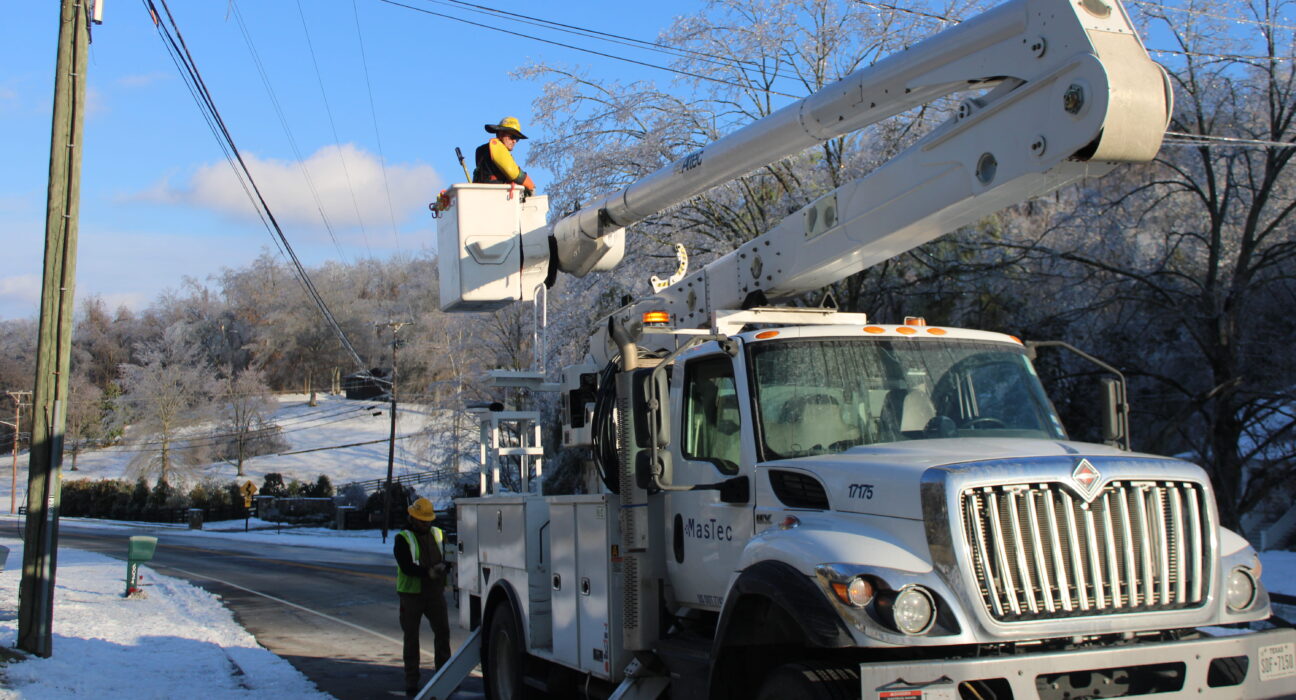
More than two weeks after the ice storm, too many Nashvillians are still living with the consequences. Families were without heat for days.
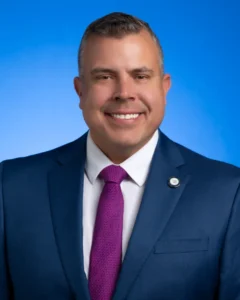
Rep. Jason Powell
Parents scrambled to keep their kids warm. Schools closed. Lives were lost. And throughout it all, people struggled to get clear information about what was happening and when help would arrive.
This storm did not happen in isolation. In recent years, Nashville has endured a devastating tornado, catastrophic flooding, the Christmas Day bombing, a global pandemic, repeated severe weather events and now a prolonged winter storm that exposed weaknesses across critical systems. Each event has tested our city in different ways, but together they tell a clear story. Emergencies are no longer rare, and preparedness cannot be an afterthought.
Emergency response worked. Emergency management is a different question.
Nashville’s firefighters once again rose to the occasion. Under the leadership of Fire Chief Will Swann, the Nashville Fire Department responded with professionalism and courage during dangerous conditions. Firefighters rescued residents, cleared hazards and protected lives under extraordinary strain. Their work deserves real appreciation and respect.
But emergency management is not the same as emergency response.
Nashville’s Office of Emergency Management is overseen by the Fire Department, with the Fire Chief serving a dual role as emergency management director. While this structure ensures strong command during active response, emergency management itself is a distinct discipline. It requires sustained focus on planning, coordination, public communication, mitigation and accountability long before the first siren sounds.
How other cities organize before a crisis hits
In cities Nashville’s size, emergency management is typically led by a dedicated executive whose sole responsibility is preparing for disasters and coordinating across agencies when they occur.
Memphis, for example, has a standalone Office of Emergency Management with leadership focused exclusively on preparedness and recovery. Cities such as Boston, Seattle, Denver and Louisville also follow an independent emergency management leadership model. Even Tennessee’s own municipal guidance encourages cities to appoint emergency management directors rather than folding those duties into another department.
When emergency management leadership is a secondary responsibility, long-term planning can be crowded out by urgent operational demands. After-action reports may be delayed. Communication systems may not be fully stress tested. Coordination between utilities, public works, emergency services and city leadership can become unclear at precisely the moment clarity matters most.
During the storm, uncertainty became the real emergency
During this storm, Nashvillians were not just frustrated by the cold. They were frustrated by the uncertainty. They wanted to know when power would be restored, which roads would be cleared and who was coordinating the response across systems. Those questions are not a critique of first responders. They are a signal that our city needs a clearer and stronger emergency management structure.
That is why I have filed legislation to require greater transparency, planning and accountability from utilities like Nashville Electric Service. But utility reform alone is not enough. We also need to honestly assess how Nashville organizes its emergency management.
A dedicated emergency management leader would be responsible for long-term preparedness, interagency coordination, public communication strategies and ensuring that lessons learned from disasters actually lead to meaningful changes. That role should not compete with the demands of running a major fire department. In a fast-growing city that faces increasingly frequent emergencies, it requires full-time focus.
That conversation should begin now.
Learning from crisis is a responsibility
This is not about blame. It is about learning. Nashville has been tested again and again, and each test offers an opportunity to improve. We owe it to the families who endured this storm and those we will face in the future to take preparedness as seriously as response.
Nashvillians deserve a city government that plans ahead, communicates clearly and builds systems strong enough to withstand the next crisis. Given what we have endured in recent years, we cannot afford anything less.
Learning from crisis is a responsibility
This is not about blame. It is about learning. Nashville has been tested again and again, and each test offers an opportunity to improve. We owe it to the families who endured this storm and those we will face in the future to take preparedness as seriously as response.
Nashvillians deserve a city government that plans ahead, communicates clearly and builds systems strong enough to withstand the next crisis. Given what we have endured in recent years, we cannot afford anything less.
Jason Powell is a South Nashville resident and the state representative for Tennessee’s 53rd House District. Phone: (615) 741-6861 or email Rep.jason.powell@capitol.tn.gov.