

Your Pre-Winter HVAC Checklist: 11 Critical Inspections
This week, as I walked through our home checking that windows and doors were properly sealed, I found myself wondering what else I could do to prepare for the upcoming cold months. So I reached out to my trusted HVAC expert, Josh Moss, owner of Affordable Heating and Cooling.
Josh has been my go-to guy for several years now. I purchased our business HVAC unit from him, and he’s always generous with his expertise—even offering troubleshooting advice over the phone when I needed to replace the blower motors on both our home and business units.
As temperatures drop and heating systems kick into high gear, winter can be unforgiving—especially if your HVAC system isn’t ready. A proactive inspection doesn’t just prevent costly breakdowns; it improves efficiency, ensures safety, and keeps your home comfortable all season long. Josh shared this comprehensive checklist of essential items every homeowner should review before the first freeze arrives.
1. Replace or Clean Air Filters
Dirty filters are one of the most common culprits behind HVAC inefficiency. When filters become clogged with dust and debris, they restrict airflow, forcing your system to work overtime while simultaneously reducing your indoor air quality. Make it a habit to replace or clean filters every 30-90 days, depending on your household’s usage, whether you have pets, and the type of filter you use.

2. Inspect and Test Your Thermostat
Your thermostat is the command center of your heating system. Test it to confirm it switches to heating mode correctly and responds to temperature adjustments. Verify that the displayed temperature matches the actual room temperature. If you’re still using an old manual thermostat, consider upgrading to a programmable or smart model that can optimize heating schedules and reduce energy waste.
3. Clear the Area Around Your Furnace
A cluttered furnace space is both inefficient and dangerous. Remove any stored items, cleaning supplies, or flammable materials near your furnace or air handler. Maintaining at least three feet of clearance ensures proper airflow, allows for safe operation, and reduces fire hazards.
4. Check Carbon Monoxide Detectors
This is a non-negotiable safety step. Replace batteries in all carbon monoxide detectors and test them to ensure they’re functioning properly. A malfunctioning furnace can leak this colorless, odorless, and deadly gas into your home. If your detectors are more than seven years old, replace them entirely.
5. Examine Your Ductwork
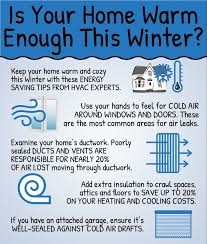
Take a walk through your basement, attic, or crawl space to visually inspect accessible ductwork. Look for visible gaps, disconnected joints, holes, or damaged insulation. Even small leaks can waste significant energy by allowing heated air to escape before it reaches your living spaces. Sealing these leaks with mastic sealant or metal tape can dramatically improve system efficiency and lower your energy bills.
Leave feedback about this