
Understanding Behavioral Health Services in Murfreesboro and Smyrna
The heart of Middle Tennessee is home to two vibrant communities where access to quality behavioral health care continues to grow and evolve. Murfreesboro and Smyrna, neighboring cities in Rutherford County, have seen significant expansion in mental health and substance use treatment services in recent years, reflecting both the increasing awareness of behavioral health needs and the region’s rapid population growth.
Behavioral health services encompass a wide range of care designed to support mental health conditions, substance use disorders, and the complex interplay between emotional wellbeing and physical health. In these communities, residents can find everything from outpatient counseling and psychiatric medication management to intensive outpatient programs and crisis intervention services.
”I appreciate what Volunteer Behavioral does to help our community for mental health. Sadly, it seems that this issue is growing more severe and the challenges are enormous.
Murfreesboro, as the county seat and home to Middle Tennessee State University, serves as the primary hub for behavioral health resources in the region. The city hosts multiple community mental health centers, private practice groups, hospital-based psychiatric services, and specialized treatment facilities. Ascension Saint Thomas Rutherford Hospital provides inpatient psychiatric care and emergency mental health services, while numerous outpatient providers offer therapy for conditions ranging from anxiety and depression to trauma and severe mental illness.
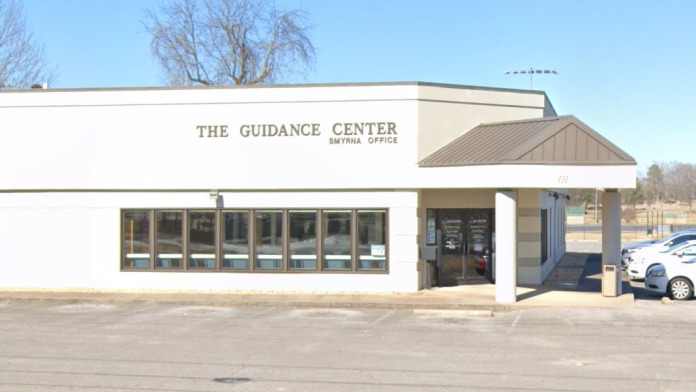
Just a short drive away, Smyrna has developed its own network of behavioral health providers, making care more accessible to residents who might otherwise need to travel to Murfreesboro. The town’s growth has brought increased attention to mental health needs, with several counseling practices and substance use treatment programs now operating within the community.

One of the key strengths of the Murfreesboro-Smyrna area is the presence of organizations that serve as safety nets for vulnerable populations. Centerstone, one of the nation’s largest nonprofit behavioral health systems, operates facilities in the region providing comprehensive mental health and substance use services on a sliding fee scale, ensuring that financial barriers don’t prevent people from accessing care.
For families, both communities offer pediatric and adolescent mental health services, recognizing that early intervention can make a profound difference in young people’s lives. School-based counseling, youth crisis services, and family therapy options help address the unique challenges facing children and teenagers in today’s world.
The ongoing conversation about behavioral health in these communities also includes attention to prevention, education, and reducing stigma. Local health departments, nonprofit organizations, and advocacy groups work to raise awareness about mental health and substance use issues, encouraging residents to seek help when needed and fostering a more supportive community environment.






Leave feedback about this