September 4, 2026
Sparks Media of Tennessee 732 Nissan Drive Smyrna, Tn, 37167 USA
Faith Inspiration Mental Health & Well Being

My Sister Vickie, a Runaway Lawnmower and the Story Behind Joe Walsh’s “Rocky Mountain Way”
By Mike Sparks
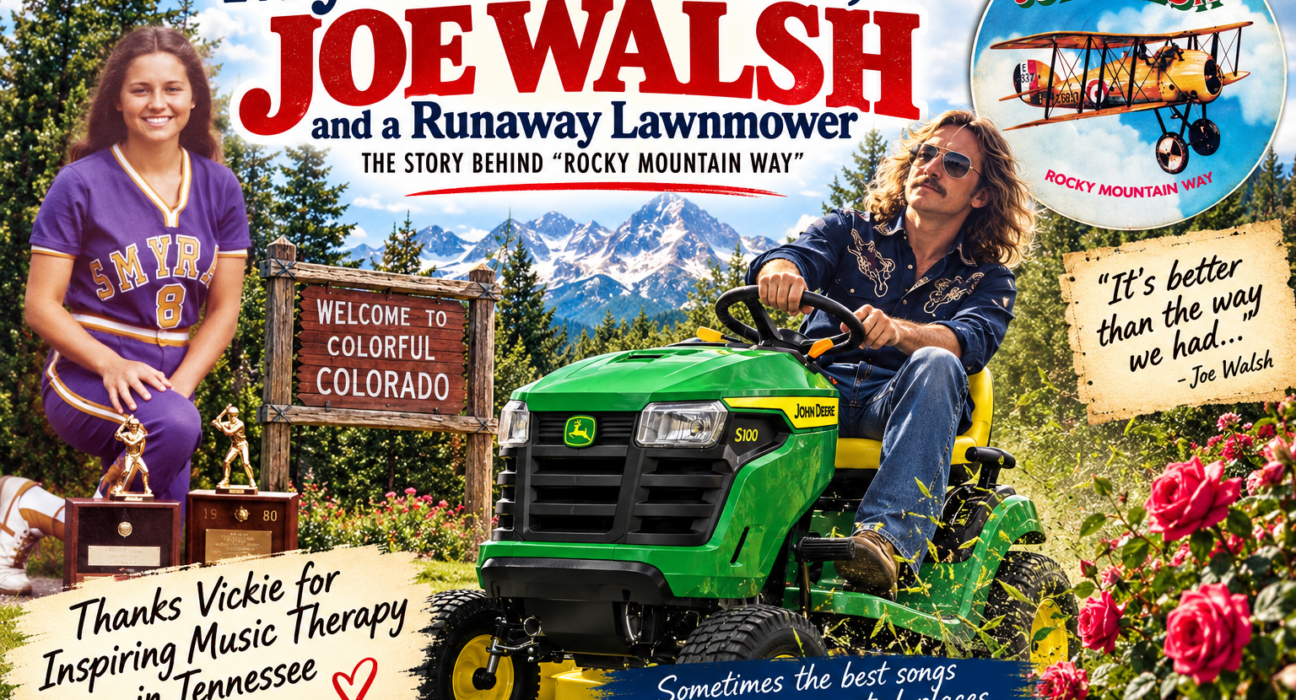
Did you know that the song “Rocky Mountain Way” came to Joe Walsh behind a lawn mower?
The Song Within: A Testament to Faith, Healing, and Music’s Power
Every person carries a soundtrack in their head—a collection of moments, wounds, and victories that shape who they are. Your story exists in the quiet spaces: the rejection that may have stung, the hours when you question the meaning of life, the small victory’s in your life. These are not strange experiences, but raw material for songs. Rock music, at its essence, is the art of translating this inner world into sound. When you take your struggle, your shame, your joy, your rebelliousness , and give it voice through melody and rhythm, you transform isolation and loneliness into connection.
I’ve never had a gift for music or any musical ability. It even took me several years into adulthood before I would sing along at church. Like all of us, we grow and learn through life’s challenges. Many are teaching moments—and one of the most profound came when my sister Vickie suffered a bad fall at home and hit her head, causing a brain bleed. She fell into a coma for six weeks, hooked up to a trac, feeding tube, and other machines. It wasn’t pretty. In fact, it was heartbreaking to see her that way. But it taught me something about the power of surrender and faith.
By the sixth week, my oldest sister Cindy stopped by, tears started to stream down her face. “We’re going to have to make some decisions about Vickie,” she said—meaning we might have to consider taking her off life support. Each morning I pray and I took that moment to pray specifically for Vickie with Felicia and Cindy. I said, “Lord, I’m asking you to help heal my sister Vickie. If it’s not your will, you need to take her.” I surprised myself saying those words because I didn’t want to lose her; I wanted a healing. But I also learned that trust means releasing control. I walked out to my truck, and moments later, Felicia received a call from Tri State Hospital: Vickie had opened her eyes and was speaking. I was astonished.
But the real miracle—the one that would shape the rest of my work—came later. When Vickie recovered enough to be confined to a wheelchair, paralyzed by the stroke that followed her brain bleed, I witnessed something that stopped me cold. She was sitting in her wheelchair facing the exit door, and I heard her singing. Not just any song, but “Country Road Take Me Home” by John Denver—a song from her childhood, released in 1971 when she was only eight years old. Her mind had traveled decades backward, bypassing the trauma, the injury, the loss of mobility, to retrieve a melody from the safest corner of her memory.
I was amazed. How could music unlock what seemed permanently lost? Vickie didn’t know my name. She couldn’t walk. But she could sing, albeit not very good—just sayin.’  This single moment opened a door in my mind: Could music help with trauma? Could it address ACEs—Adverse Childhood Experiences? Could it be therapeutic for PTSD, for healing, for development? Could it improve reading skills in third graders? The answer, overwhelmingly, is yes to all of the above. Music isn’t decoration. It’s medicine.
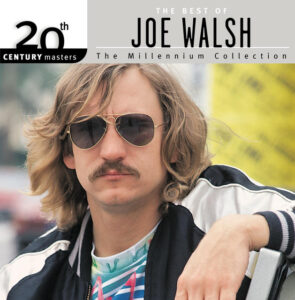
Even now, when I hear “Rocky Mountain Way” by Joe Walsh, I’m reminded of Vickie and why music matters. There’s a poetry to that connection that runs deeper than most people know.
Joe Walsh recorded “Rocky Mountain Way” in 1973, but the song’s origin story reveals something profound about transformation and leaving the old road behind. Walsh was mowing his lawn in Colorado, looking at the Rocky Mountains, when inspiration struck. The song captured his feelings about leaving the James Gang behind—a bold decision to chart a new course. “It’s better than the way we had,” the lyrics declared. Walsh was so caught up in the moment that he abandoned his lawnmower and rushed inside to capture the idea, reportedly leaving the mower to damage his neighbor’s rosebushes. He later joked it was one of the most expensive songs he ever wrote.
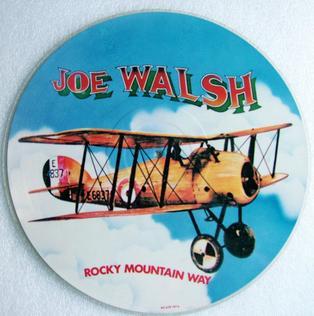
But here’s what moves me: Walsh’s song is about leaving the old road behind and finding a better way. Vickie’s song—“Country Road Take Me Home”—is about returning to safety, to memory, to the place where she could still be whole. Both songs speak to transformation. Both songs say: there is a way forward, even when the road behind is broken. Even when you’ve lost everything, music remembers. Music finds you.
That one moment—hearing my sister’s voice singing a song from childhood—is what led me to champion legislation regarding music therapy in Tennessee House Joint Resolution 96. It’s what drives my work as a State Representative. Because I’ve seen with my own eyes what music can do: restore dignity, unlock memory, heal trauma, and give voice to those whom the world has silenced.
Vickie’s situation made an impact with legislation that possibly had never been discussed in committees or in the Tennessee State Legislature before. What began as a personal tragedy became a catalyst for addressing something our state had overlooked: the therapeutic and developmental power of music. Her story, her recovery, her voice singing in that wheelchair—these things matter not just to our family, but to every child struggling with trauma, every person battling PTSD, every student who needs music to unlock their potential to read, to learn, to heal.
When I hear “Rocky Mountain Way,” I hear Joe Walsh saying goodbye to the old life and hello to something better. When I hear Vickie singing “Country Road Take Me Home,” I hear my sister saying: I am still here. I am still myself. Music brought her home—not to a place, but to herself.
The act of writing your song—whether you consider yourself a musician or not—is an act of reclamation and faith. It says: My pain matters. My story is real. The therapeutic power lies not in perfection but in honesty and surrender. A three-chord progression carrying your truth is infinitely more powerful than a technically flawless performance of someone else’s experience. When you externalize what lives inside you, you create distance from it. Suddenly, the heartbreak isn’t consuming you; it’s something you’re examining, naming, trusting to something greater than yourself.
If there’s one thing I try my best to do, it’s pray daily. If it’s not your thing, maybe you should try it. I’ve seen many doors opened that couldn’t be opened with human hands. I know that the divine can open doors, give gifts—like musical ability and the gift of singing—and restore what seemed lost. Whether your song reaches millions or only yourself, it becomes proof that you survived, that you felt deeply, that you matter. In a world that often demands silence and composure, the act of singing your own story—however imperfectly—is a quiet rebellion, a profound act of faith, and perhaps the most powerful medicine available to a wounded soul.

Leave feedback about this

  • Quality
  • Price
  • Service

PROS

+
Add Field

CONS

+
Add Field
Choose Image
Choose Video
X