From the Frontlines: Election Integrity, Justice, and American Stories
The strength of any democracy begins and ends at the ballot box. When voter rolls are dirty, ID requirements are weak, and mail-in ballots go unchecked, public confidence erodes — and once that trust is gone, it is nearly impossible to rebuild. Every fraudulent vote cast cancels out the legitimate vote of a law-abiding citizen. That is an injustice no free society should tolerate.
Tennessee continues to be a model worth following. From strong voter ID laws to banning foreign funding of ballot campaigns, the Volunteer State has made clear that elections here will be conducted with transparency and accountability. That is something every Tennessean — regardless of party — should be proud of.
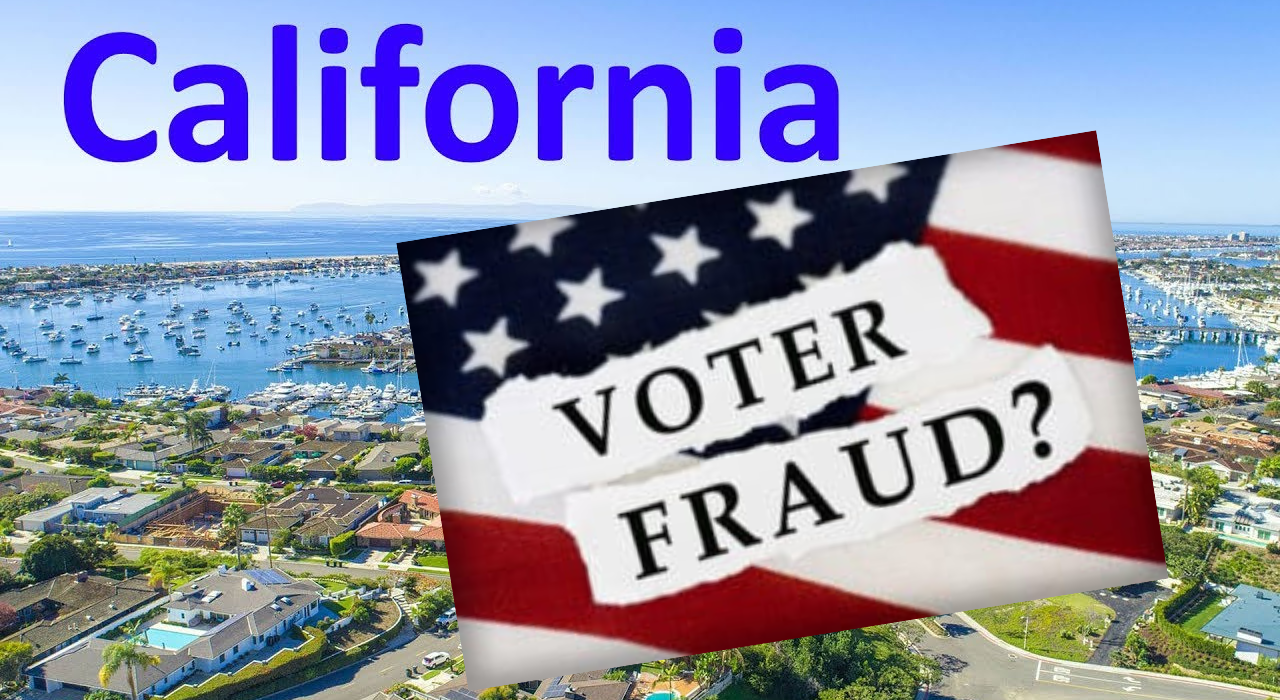
California tells a very different story. Scoring just 30 out of 100 on the Heritage Foundation’s Election Integrity Scorecard, the state ranks among the worst in the nation — plagued by weak voter ID laws, questionable mail-in ballot security, and bloated voter rolls. It is no coincidence that California is still counting ballots long after the rest of the country has moved on. Tennesseans need look no further to understand exactly why election integrity laws matter.
According to News Nation and Tonight on “Katie Pavlich Tonight,” California’s primary vote counting continues to lag far behind other regions — including India and Florida — raising fresh questions about election administration. California GOP Chair Corrin Rankin and Republican strategist Angie Wong addressed the issue directly, calling for cleaner voter rolls and championing the Save America Act as a necessary step toward restoring confidence in the process.
In Maine, Senate candidate Graham Platner is facing serious scrutiny after allegations of assault and questions surrounding a tattoo described as a Nazi symbol. Political strategist Denny Salis and Princeton scholar Lauren Wright debated the fallout for the Democratic Party, with critics pointing to a growing credibility gap between the party’s stated values and its loyalty to embattled candidates.
In Texas, the murder trial of Carmelo Anthony is underway. Criminal defense attorney Todd Shapiro broke down the significance of arrest footage in which Anthony allegedly said “I did it,” and outlined what the jury selection process could mean for the outcome of the case.
Border security adviser Art Del Cueto joined the conversation to discuss the disappearance of Nancy Guthrie, raising concerns about the Pima County Sheriff’s handling of the investigation and the FBI’s level of involvement.
Arizona rancher Casey Murf shared a troubling story closer to home — his family’s grazing land is under threat from a foreign solar company, Orsted, following state government action. The conversation also touched on the Texas screwworm outbreak and its impact on ranching communities.
On the technology front, Audrey Crews, the first female recipient of a Neuralink brain implant, shared her inspiring story of using the device to create digital art — a remarkable example of innovation restoring independence and creative expression.
Finally, the Chicago Bears may be leaving Illinois. After failing to secure a new stadium deal in Chicago, the franchise is eyeing a potential move to Hammond, Indiana.
Leave feedback about this