
This article originally published in Military Times
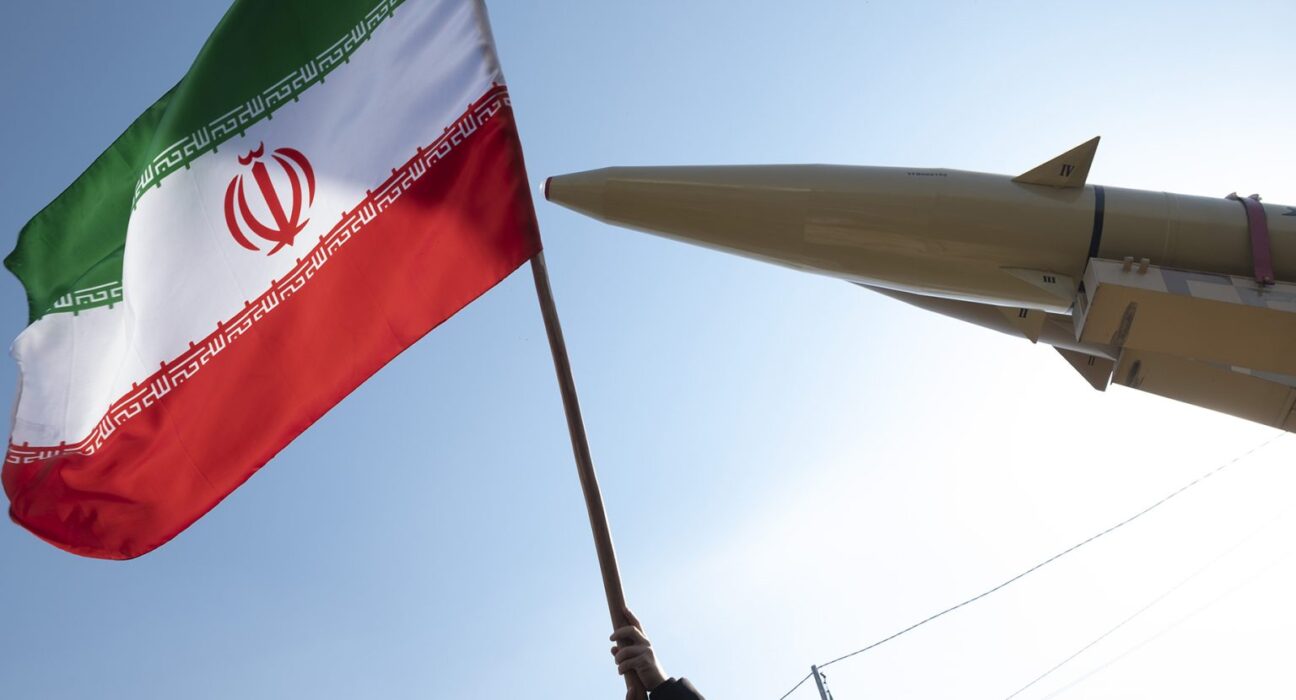
America’s 38-day bombing campaign against Iran has diminished the Islamic Republic’s ability to threaten global security, but has not yet eliminated the threat altogether, Adm. Brad Cooper, the chief of Central Command, told lawmakers on Thursday.
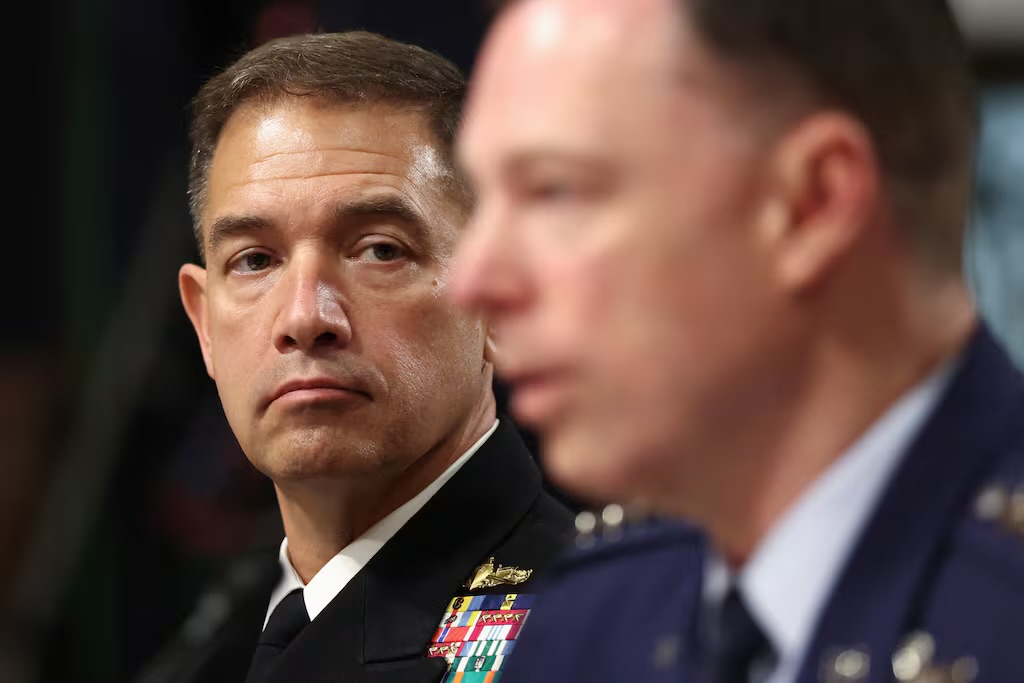
“It’s a very large country,” Cooper testified before the Senate Armed Services Committee. He acknowledged that Iran still possessed “a very moderate, if not small, capability” to conduct strikes on regional neighbors.
Washington and Tehran remain locked in a month-long stalemate in the Strait of Hormuz, with no clear path forward as both sides have rejected proposed off-ramps from the crisis.
Initially, Iran retaliated for the joint U.S.-Israeli attack on its territory by throttling traffic in the waterway — where roughly one-fifth of the world’s oil typically flows. The Iranians accomplished this in part through the mere threat of naval mine warfare, though some vessels were also attacked. The United States, in turn, imposed a blockade on all vessels entering or leaving Iranian ports.
“The Iranian capability to stop commerce has been dramatically degraded through the straits,” the CENTCOM commander said. “But their voice is very loud, and those threats are clearly heard by the merchant industry and the insurance industry.”
Cooper — who did not address how the impasse in the strait might be resolved — asserted that U.S. forces had severely degraded Iran’s warfighting capacity, including the elimination of roughly 90% of its inventory of more than 8,000 naval mines.
He also declared that U.S. forces had “met every military objective” under Operation Epic Fury, citing the destruction of 90% of Iran’s defense industrial base.
Leave feedback about this