
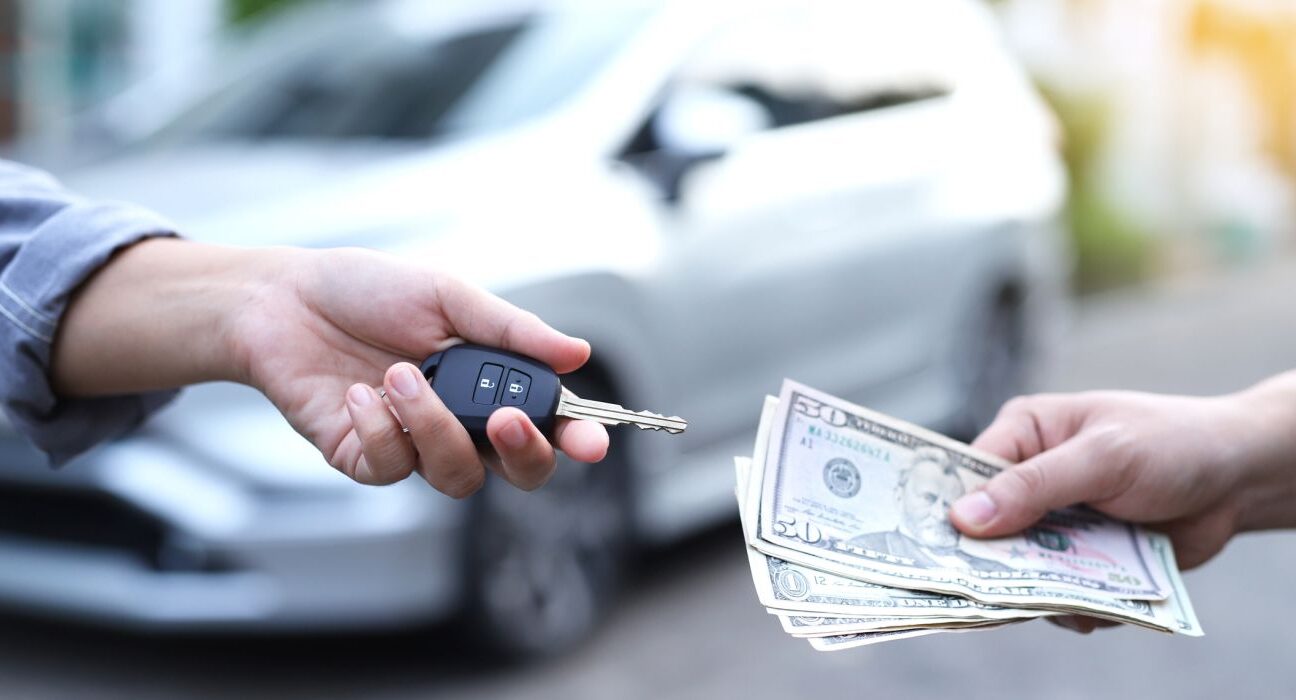
An $830-a-month car payment. Auto insurance for $280 each month. Thousands more for tire and maintenance repairs.
For almost three years, those bills have followed Davine Greene, a nursing student who hasn’t missed or been late on a payment since buying her Kia K5 GT in November 2023. But keeping up with the payments has driven up her debt to more than $80,000, not including student loans.
Last week, she filed for bankruptcy to escape the burden, she said.
“This car is the bane of my existence,” said Ms. Greene, 24, who lives in Fort Lauderdale, Fla. “Probably the worst decision I’ve ever made, like, financially speaking.”

As car prices, auto loan interest rates and insurance and maintenance costs continue to rise, owning or buying a car is becoming harder to afford.
The war in Iran have pushed gas prices up, adding to greater affordability concerns. President Trump said in a recent interview with Reuters that he was willing to tolerate higher prices for strategic priorities.
Vehicle prices climbed during the pandemic as supply chain disruptions slowed production and manufacturers focused on building more profitable vehicles. In the years since, rising interest rates have made the situation even tougher on households. The average interest rate on a 60-month new car loan from banks was 7.22 percent in November, according to the Federal Reserve.
Higher rates have pushed monthly payments further. The average monthly new-car payment reached $774 in January, up from $588 in January 2021, according to Edmunds, an auto research firm. A growing share of buyers are taking on even larger loans: More than 20 percent of new-car borrowers agreed to pay over $1,000 a month at the end of last year, which was a record, Edmunds reported.
 But loan payments are only part of the strain. When insurance, gas, repairs and maintenance are included, the total cost of owning a vehicle has risen more than 40 percent since January 2020, according to an index from Navy Federal Credit Union.
All of this pressure has begun to weigh on many households.
“Americans are frustrated by Whac-a-Mole inflation,” said Heather Long, chief economist at the credit union. “It’s difficult to plan and leaves middle-class and moderate-income consumers constantly on edge about what will shoot up in price next.”
As a result, more middle- to lower-income Americans are falling behind on their car payments. Auto loans that were at least 60 days delinquent reached 1.45 percent in the third quarter, nearly 28 percent higher than three years ago, according to TransUnion, one of the three major credit bureaus. Repossessions have increased. More drivers are trading in vehicles worth less than what they owe on their loans.
Interest rates would have to decline dramatically before they can meaningfully affect monthly payments, and a drop in vehicle pricing could also help, but that is not an outcome shoppers can expect based on historical precedent, said Joseph Yoon, a consumer insights analyst at Edmunds.
 As car costs mount, many Americans are looking for solutions. More are stepping away from the market, taking on longer-term auto loans or dropping car insurance altogether, even though that’s illegal in the majority of states. About 53 percent of consumers said affordability was a primary reason for not considering a vehicle purchase this year, according to a recent TransUnion survey.
Uber, and Holding On to Old Cars
Angelica Akins, 32, works late night shifts as a certified nursing assistant while raising five children. Early last year, the engine of her 2011 Chevrolet Equinox died. Without enough savings or the credit score that dealerships required, she put off buying a car and temporarily turned to ride-share services to get to work.
The rides cost her around $1,000 a month, with her commute taking about two hours round-trip from her apartment in Grand Rapids, Mich., to her job in Saginaw. Ms. Akins picked up extra shifts to keep up with her expenses while saving for a car. But the daily Uber costs added up, and she managed to save only about $2,500 — less than half of what she desired.
 “You never know how important things are until you lose them,” she said.





Leave feedback about this