A Champion for Open Government: Tennessee Loses a Giant in Frank Gibson
Publisher’s Note
As I write this, my wife and I are watching our grandbabies Grace and Henry. I’m deeply concerned about the future of our grandchildren and the country they are inheriting — affordable housing, inflation, crime, political discourse, how many jobs Artificial Intelligence will eliminate, the skyrocketing cost of childcare, and rampant drug addiction, just to name a few. Will Antifa show up again at 4 a.m. protesting, waking up our neighbors and causing terror to my family? Try telling my wife and neighbors that Antifa isn’t real.
That’s exactly why the story of Frank Gibson needs to be told.
I knew Frank personally and got along with him well. I actually reached out to him when I was working on my First Amendment Tax Cut Bill — House Bill 899 — legislation that would eliminate the sales tax on monthly periodical newspapers. I had a simple question: why were large corporate-owned newspapers like the Tennessean exempt from sales taxes while small mom-and-pop monthly papers were required to pay them? It was another example of everyday folks not having a lobbyist in the room.
I’ve seen a lot of disconnect with corporate media today, and Frank’s advocacy mattered because of it. The truth should matter. Frank lived that.

Those who worked alongside Frank say it best. A colleague who followed in his footsteps offered this reflection:
Frank Gibson was a true believer in the people’s right to know. And he had the skills to fight for open government with his long career as a news reporter that included covering the Legislature. One of the most important things Frank did at TCOG was coordinate a statewide audit in all 95 counties on how government was responding to public records requests. Some governments did well, but others were abysmal. That audit in 2004, which published in newspapers across the state, helped raise awareness of what was really happening on the ground when people asked to see public records.
In 2006, after the arrests of lawmakers in Operation Tennessee Waltz, members of the General Assembly agreed to appoint an interim study committee to study Tennessee’s open government laws. The resulting bill that eventually passed in 2008 was carried by Sen. Randy McNally, bringing some needed changes to the public records law. Among them was a seven-day time frame for the government to respond to public records requests and a requirement that a government entity had to provide a state law basis if they denied access to a record. Before that, when you made a request for public records, some officials would say you had to prove why you had a right to see it. Now, they must say why you don’t, citing the law.
Even back then, there were local politicians who wanted more secrecy. And not everything the ad hoc legislative committee recommended was passed.
But Frank set the stage for having a coordinated citizen-based effort to push for open government, mainly through education so that people would understand their ‘right to know’ and why it is important. When I came into the job, he told me that he sometimes felt like he was holding his finger in the dike. People want open government, but those in power get comfortable with secrecy. They forget what it’s like to be a regular citizen who wants their government to be accountable — and that means transparency, no secrets.
Frank was an inspiration. And he will continue to be so. His words and stories will remain in my head and heart for life. He was a decent person who made a difference.”Deborah Fisher, Executive Director of Tennessee Coalition for Open Government
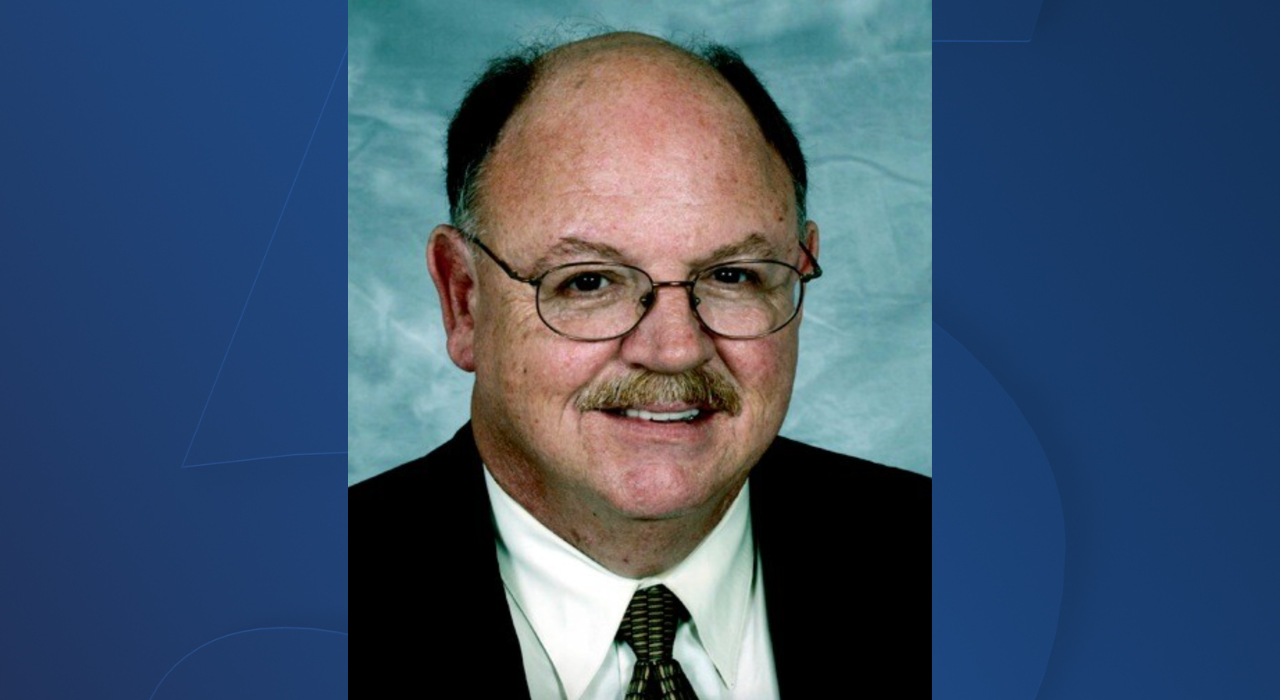
Frank Gibson believed the public had a right to know. He spent a lifetime making sure they could.
Gibson, the founding executive director of the Tennessee Coalition for Open Government, passed away Sunday morning in Florida. A longtime reporter and editor at The Tennessean, he founded TCOG in 2003 after rallying journalists, attorneys, and citizens to push back against growing government secrecy. He served as executive director through 2011 and later became public policy director for the Tennessee Press Association. In 2018, he was inducted into the Tennessee Journalism Hall of Fame, honoring four decades of service to Tennessee journalism.
At a time when so many forces are working to confuse, divide, and distract the American people, we need transparent government more than ever. We need journalists and public servants with the courage to pull back the curtain and let the light in. This should be an American issue — not my tribe versus your tribe, not Black or white, rich or poor, Republican versus Democrat. Yes, I’m a Republican — but I’m an American first, and the challenges facing our country are more serious now than they have ever been.
The temptation to conduct the public’s business behind closed doors has never been greater. Frank understood that. He gave his career to the belief that a free people cannot remain free without the ability to see what is being done in their name.
Scripture reminds us in Proverbs 29:2 that “when the righteous are in authority, the people rejoice, but when the wicked rule, the people groan.” Open government is not just good policy — it is a moral imperative. Frank Gibson believed that with everything he had.
For Grace and Henry, and for every grandchild inheriting this country — we owe it to them to keep the lights on and the doors open. Frank Gibson did his part. Now it’s ours to do.
Leave feedback about this