
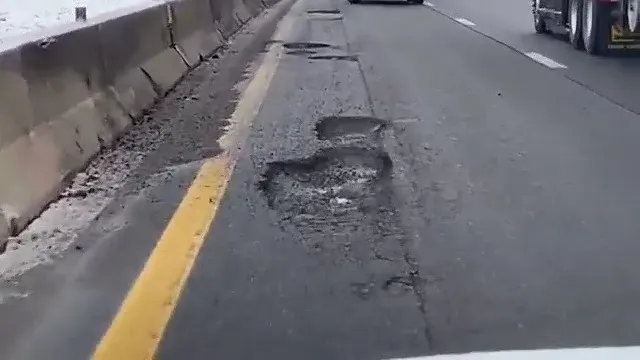
Pothole Repair
To report a pothole for repair, you can either fill out an online Maintenance Request form, or call the TDOT Road Repair Hotline at 833-TDOTFIX (836-8349). Be sure to note the exact location including the route, mile marker, and any nearby cross streets or interchanges.
If drivers hit a pothole and experience damage to their vehicle, they may submit a damage claim. Claims are investigated on a case-by-case basis through the Tennessee Department of Treasury. For more information about what is required please see the FAQ section below.

The Truth About Potholes: What Tennessee Drivers Need to Know
Every spring, Tennessee drivers face the same frustrating reality: potholes appear seemingly overnight, damage vehicles, and return even after repairs. Understanding why potholes form—and what can be done about them—helps explain this annual ritual.
What Creates Potholes?
Potholes form through a destructive cycle of water, freezing temperatures, and traffic. Water seeps into cracks in the pavement, then expands when it freezes. This expansion creates pressure that breaks apart the asphalt. When temperatures rise, the ice melts, leaving gaps beneath the surface. Heavy traffic then causes the weakened pavement to collapse, creating the crater we know as a pothole.

Why Spring Is Pothole Season
Tennessee’s freeze-thaw cycles peak in late winter and early spring, making this the worst time for road damage. A single stretch of highway can experience multiple freeze-thaw cycles in a week, each one weakening the pavement further. By the time consistent warm weather arrives, the damage is done—and visible across thousands of miles of roadway.
The Repair Challenge
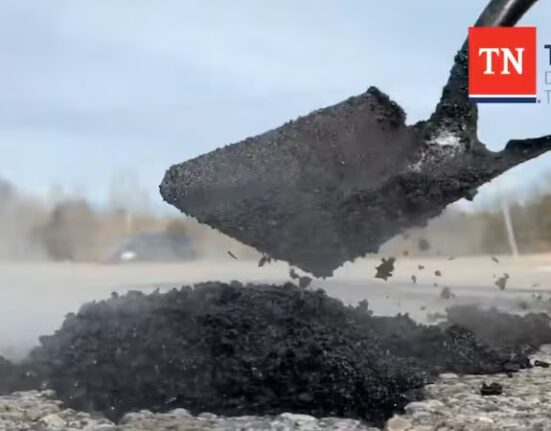
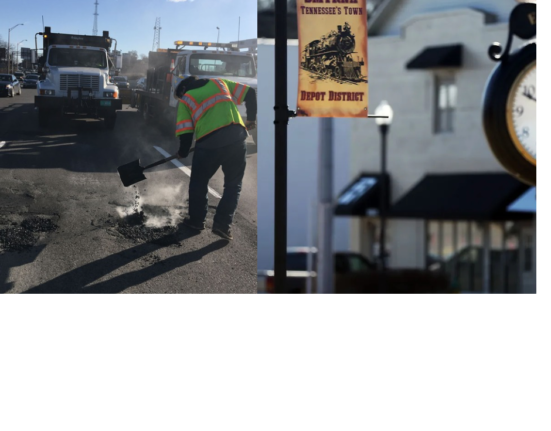
TDOT crews repair potholes using a “throw-and-go” method during cold months. Workers clear debris, fill the hole with asphalt, and compact it. While quick, these temporary repairs often fail because cold temperatures prevent proper bonding between new and old asphalt.
Permanent repairs require warmer weather—typically above 50 degrees for several consecutive days. That’s why the same pothole may reappear multiple times before spring temperatures allow for lasting fixes. Full resurfacing, the ultimate solution, can only happen when asphalt plants reopen in warmer months.

Are Some Roads More Vulnerable?
Absolutely. Older roads with existing cracks allow more water infiltration. High-traffic routes experience more weight stress. Roads with poor drainage systems keep water pooling on surfaces longer. Interstate highways, despite heavy use, often fare better than secondary roads because they’re built with thicker, more durable materials.
Prevention Strategies
Proactive maintenance is key. Regular crack sealing prevents water from entering pavement. Proper drainage systems move water away from road surfaces. Timely resurfacing addresses problems before they become potholes. However, budget constraints often force transportation departments into reactive rather than preventive mode.
Filing Damage Claims
Tennessee drivers who suffer vehicle damage from potholes can file claims through the Tennessee Department of Treasury. Claims are evaluated case-by-case, requiring documentation of the exact location, damage details, and repair estimates. Be prepared to note the specific route, mile marker, and nearby landmarks when reporting.
To report potholes, call 833-TDOTFIX or submit an online maintenance request at TDOT’s website. Your report helps crews prioritize repairs and potentially prevent damage to other vehicles.
While potholes remain an inevitable consequence of Tennessee winters, understanding their causes helps drivers stay patient—and prepared—during repair season.
Leave feedback about this