

The Founding Fathers took on the mighty British Empire because they were fed up with being taxed without having any say in the matter, not being able to govern themselves, and what they saw as the King treating them like subjects instead of free people. This frustration boiled over into the American Revolution. Founding fathers like George Washington, Thomas Jefferson, and Benjamin Franklin stepped up to lead the colonies through both the fighting (with the Continental Army using conventional battles and clever guerrilla tactics) and the political battles (writing the Declaration of Independence and later hammering out the Constitution). With some crucial help from the French, they managed to pull off an upset victory against one of the world’s superpowers and built a brand new republic from the ground up.
There’s this dramatic story that’s been passed down for generations about how the signers of the Declaration were brutally punished for their act of defiance—that they faced widespread persecution, lost everything they owned, and many met violent ends. And while it’s true that some of them definitely went through hell during the Revolutionary War, historians today will tell you the real story is more complicated than that. Some signers absolutely had their property seized, got captured by the British, or watched their families suffer. But plenty of others came through relatively unscathed and went on to have successful careers in the new nation.
The reality is that what happened to the signers was all over the map. Nine of them died during the war years, though not all from British retaliation. Several watched their homes get destroyed or had their land confiscated. A few ended up imprisoned under harsh conditions. Yet others served heroically in military or government roles, and quite a few actually prospered after independence was won. What we can say for certain is that they all showed real courage when they decided to back a revolution that could have easily failed, knowing full well the risks they were taking.
The Enduring Importance of Constitutional Knowledge in American Civic Life
The United States Constitution stands as one of the most consequential documents in human history. For nearly 250 years, this framework has guided the world’s oldest continuous constitutional republic, establishing principles of self-governance, individual liberty, and limited government that have inspired democratic movements worldwide. Yet as America approaches its 250th anniversary, a important question rises: Do those entrusted with upholding these principles—from students in our classrooms to elected officials in our county commissions, city councils, school boards, and beyond—possess a basic understanding of the document they are called to honor and defend?
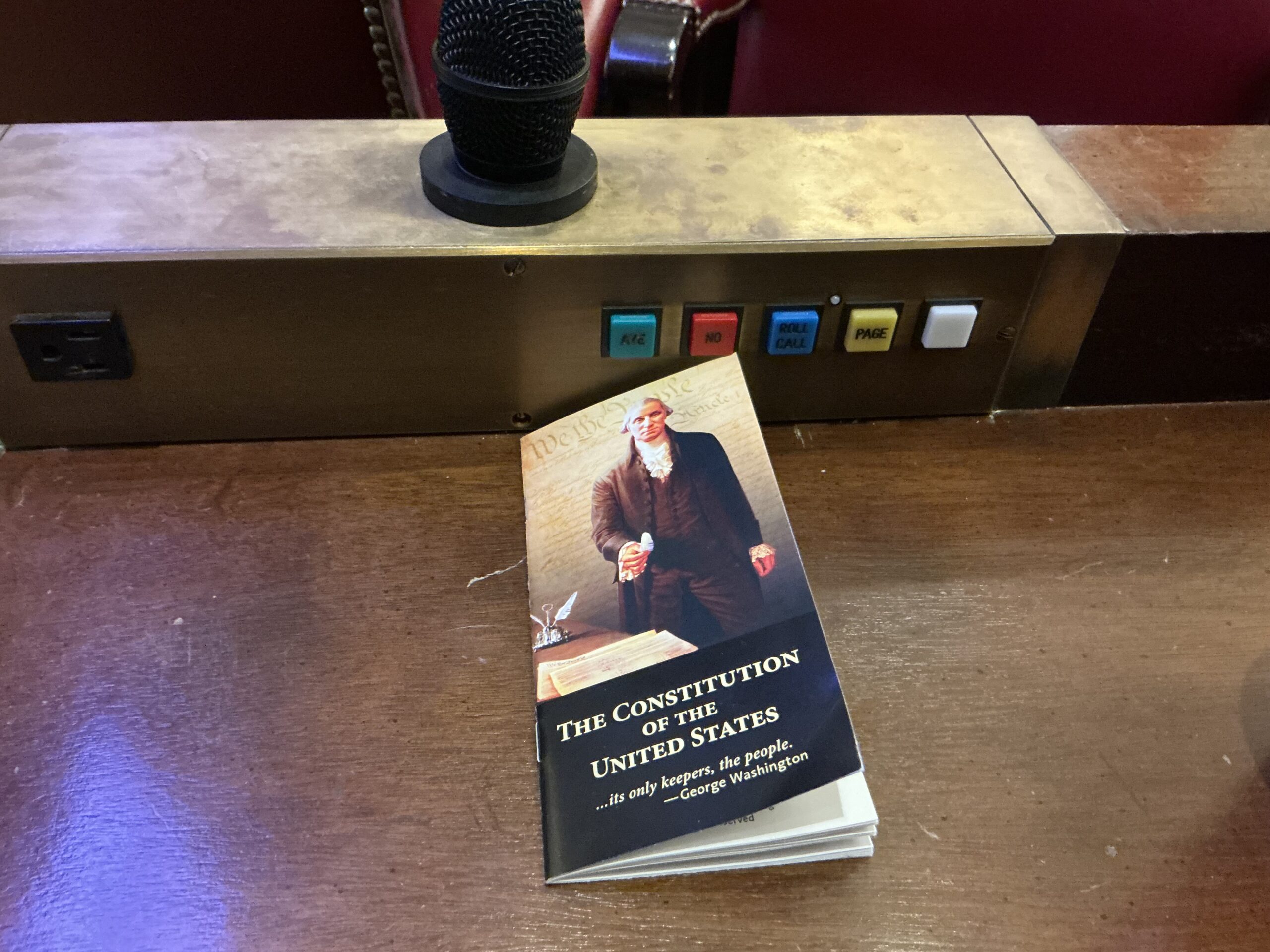
A Personal Reflection from the Tennessee State House
As I returned to the 114th Tennessee General Assembly for its opening day, an appointment on my calendar stood out: a meeting with Cassandra Taylor, Branch Manager for the Smyrna Public Library. Cassandra had recently spoken at our Smyrna Rotary Club, where I’ve been a proud member for 23 years. During her Rotary presentation, I raised the question of whether the library would consider creating an exhibit and organizing activities to commemorate the 250th anniversary of the U.S. Constitution. I was pleased—and even excited—when she not only agreed but expressed excitement about the idea.
It was during our subsequent meeting that Cassandra and her colleague extended an invitation for me to speak at a League of Women Voters event.
I’ll be candid: I do believe the group is biased and not well represented among the voting public of Tennessee and Rutherford County.  Yet I’m still happy to speak. In moments like these, I’m reminded of the wisdom of Ronald Reagan, who I’d argue was one of our greatest presidents, when he said: “If I find someone who agrees with me 80% of the time—that’s an 80% friend, not a 20% traitor.”
This principle of engagement across differences is precisely why constitutional literacy matters so profoundly. The Constitution itself was born from compromise and thoughtful debate among people with diverse perspectives. If we are to preserve and protect it, we must be willing to engage with those who may not share all our views, finding common ground in our shared commitment to the principles that unite us as Americans.
Leave feedback about this