Rutherford Opioid Board Leads Countywide Effort for Opioid Abatement
In response to the devastating impact of the opioid crisis on communities across the nation, Rutherford County has taken decisive action to ensure that settlement funds from national lawsuits are transformed into meaningful, lasting change for its residents.
A Strategic Response to Crisis
The Rutherford Opioid Board (ROB) was established in 2021 by the Rutherford County Government with a clear mandate: oversee and direct spending from the national opioid abatement lawsuit settlements to create maximum impact for the community. As the primary governing body responsible for these critical resources, the board has committed itself to principles that go beyond simple fund distribution.
ROB’s mission centers on three foundational pillars: allocating resources based on genuine community need, utilizing local data to inform strategic priorities, and implementing recognized best practices in both grant administration and program evaluation. This approach ensures that every dollar serves a purpose and every program delivers results.
The board’s work is guided by an unwavering commitment to transparency and accountability. Their initiatives are designed not just to respond to the opioid crisis, but to systematically reduce substance use disorder, strengthen prevention and recovery services throughout the county, and bolster the local systems that have borne the brunt of this public health emergency.
Central to ROB’s philosophy is a focus on measurable outcomes. Funding decisions are made with careful consideration of how programs will directly benefit the citizens and residents of Rutherford County, with success measured in concrete improvements to community health and safety.
Academic Partnership Drives Evidence-Based Solutions
Recognizing that effective crisis response requires both expertise and rigorous analysis, Rutherford County has forged a strategic partnership with Middle Tennessee State University. In 2022, MTSU established the Office of Prevention Science and Recovery (OPSR), specifically designed to enhance data-driven decision-making and ensure effective management of opioid abatement grant funds.
OPSR represents a unique collaboration between MTSU’s Center for Health and Human Services and the Data Science Institute, bringing together clinical expertise and analytical capabilities. This partnership allows the county to leverage academic resources while maintaining community-focused priorities.
For the 2024–2025 fiscal year, the Rutherford Opioid Board awarded OPSR a Research Strategy Grant totaling $100,900. This investment has proven strategic, as OPSR now serves multiple critical functions in the opioid abatement effort.
Under the terms of this agreement, OPSR administers the grant application process, ensuring that potential programs are thoroughly vetted and aligned with community needs. The office facilitates funding recommendations from a panel of content experts who bring specialized knowledge to bear on complex decisions. OPSR also guides the collection and analysis of data from grantees, creating a feedback loop that allows for continuous improvement and adaptation.
Perhaps most importantly, OPSR evaluates the overall impact of funded programs, providing the accountability and evidence base that taxpayers and residents deserve. This collaboration ensures that Rutherford County’s opioid abatement efforts remain efficient, evidence-based, and aligned with national best practices while addressing distinctly local challenges.
Comprehensive Impact Across the County
The 2024–2025 report represents more than a summary of activities—it is the culmination of joint efforts between the Rutherford Opioid Board and OPSR in implementing opioid abatement activities throughout Rutherford County. The scope of this work touches every aspect of the crisis, from prevention and education to treatment and recovery support.
A fundamental principle governs every funding decision: every dollar distributed through this program must be used to directly serve the residents and communities of Rutherford County. This commitment ensures that settlement funds remain local resources addressing local needs, rather than being diluted through administrative overhead or diverted to purposes that don’t directly benefit county residents.
The programs funded through this initiative span the full continuum of care. Prevention and education efforts work to stop substance use disorder before it starts, particularly among young people. Treatment programs provide pathways to recovery for those struggling with addiction. Recovery support services help individuals maintain their progress and rebuild their lives. Each component is essential, and each is evaluated for effectiveness and impact.
Through continual evaluation and public reporting, the board maintains transparency about how funds are used and what results they achieve. This ongoing assessment allows for course corrections when needed and amplification of programs that demonstrate exceptional success. The goal is not simply to spend settlement funds, but to ensure they make a long-term impact on the health, safety, and resilience of Rutherford County.
Leadership United by Purpose
The strength of the Rutherford Opioid Board lies in its diverse composition and unified commitment. Board members include community leaders, public health professionals, and county officials who bring varied expertise and experience to their shared mission. Together, they represent a cross-section of the systems and services that must work in concert to address the opioid crisis effectively.
Organizations must provide and present quarterly reports to ROB from the date of funding to show how funds were used. ROB is comprised of Commissioner Craig Harris, Chairman, Commissioners Robert Peay, Jr. and Pettus Read, Superintendent of the Rutherford County Correctional Work Center, William C Cope, Director of Rutherford County Probation and Recovery Services, Alissa Phillips, Assistant Director Metropolitan Government of Nashville and Davidson County Trish Breeding, and Recovery Court Case Manager Supervisor Lori Flippo.
The board’s membership reflects the multifaceted nature of the challenge, with individuals representing public safety, health services, recovery organizations, and local government. This diversity ensures that funding decisions consider multiple perspectives and that programs are designed to work across traditional boundaries and silos.
What unites these diverse voices is a commitment to responsible stewardship of settlement funds and a determination to improve the lives of those affected by addiction. Each board member brings not only professional expertise but also personal dedication to turning a national tragedy into an opportunity for local healing and transformation.
Looking Forward
As Rutherford County continues its work to address the opioid crisis, the partnership between the Rutherford Opioid Board and MTSU’s Office of Prevention Science and Recovery stands as a model for how communities can leverage settlement funds effectively. By combining local knowledge with academic rigor, community commitment with evidence-based practice, and diverse expertise with unified purpose, Rutherford County is building a comprehensive response that promises lasting impact.
The challenge remains significant, but through strategic investment, rigorous evaluation, and unwavering commitment to transparency and accountability, Rutherford County is demonstrating that settlement funds can indeed become catalysts for meaningful change—one program, one life, and one community at a time.
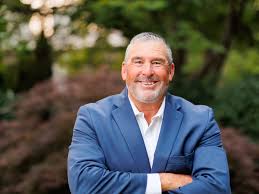
Message from Chairman Craig Harris:
I ran for office with a mission to bring
Leave feedback about this