








March 30, 2026
Smyrna, Tn, USA
Faith

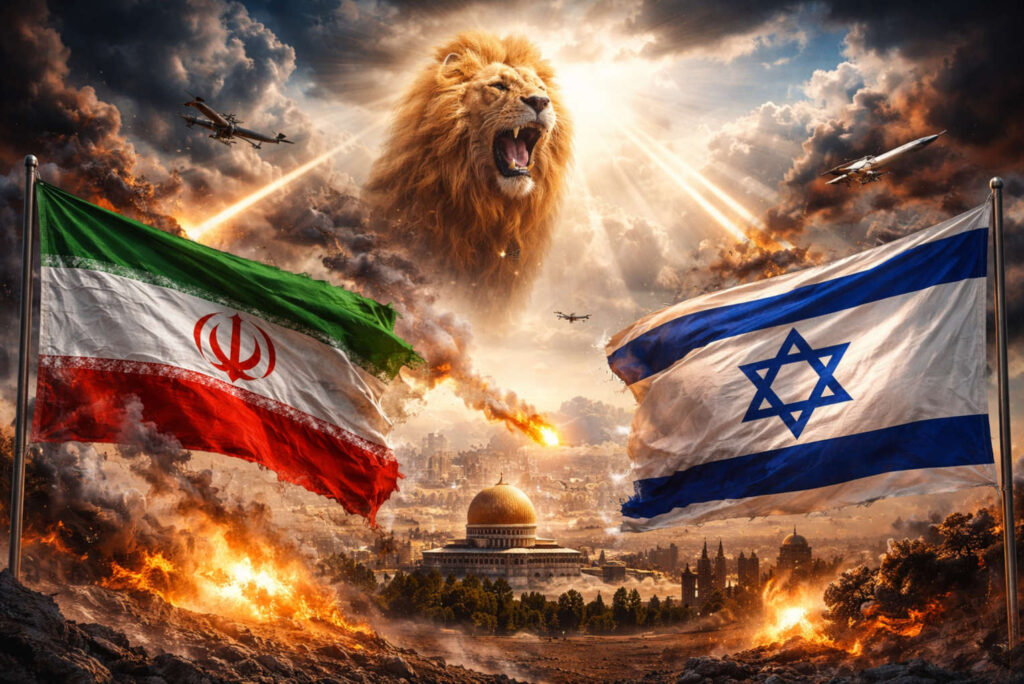
Iran? What the Bible Says About Iran’s Role in End Times Prophecy

The Forgotten Prophecy of Persia: How Iran’s Ancient Past Still Echoes in Today’s World
When most people hear the name Iran, they think of modern headlines and political tensions. But long before it appeared on any map, the land was known by another name — Elam — a name woven through ancient scripture and prophetic tradition.
Historians trace Elam’s origins back to the descendants of Noah. According to biblical records, Shem—Noah’s eldest son—had a child named Elam, whose lineage established a people and a land high in the mountains near ancient Babylon, stretching westward for a thousand miles. Over centuries, these Elamites evolved into the civilization later known as Persia, and eventually, Iran.

From Elam to Empire
The first great empire of this region was forged under Cyrus II — better known as Cyrus the Great — who conquered the Medes, toppled Babylon, and created what many see as the world’s first superpower. Remarkably, Cyrus was named in the Book of Isaiah more than a century before his birth as the ruler who would set the Israelites free and allow them to rebuild Jerusalem.
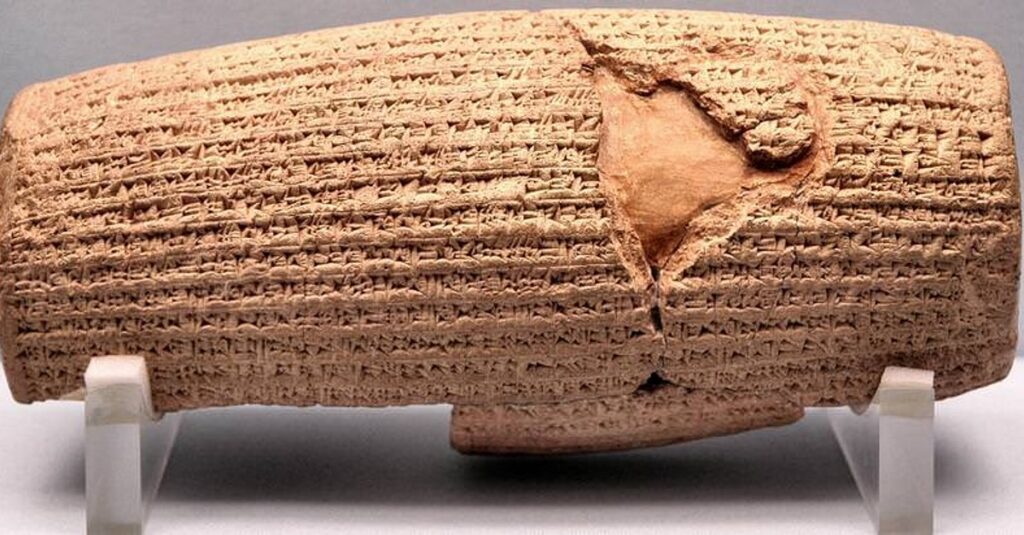
Archaeologists point to the “Cyrus Cylinder,” dating to 538 B.C., as physical testimony to that event. Inscribed in Akkadian, the cylinder records Cyrus’s decree allowing exiled peoples to return to their homelands and restore their temples — a revolutionary act of tolerance for its time. The Hebrew scriptures echo this decree almost word for word in the Book of Ezra.
From these beginnings, Persia isn’t cast as an enemy but as a deliverer — an agent in fulfilling divine promises. The story continues through kings such as Darius and Artaxerxes, who financed the rebuilding of Jerusalem’s temple and walls under leaders like Ezra and Nehemiah.

Esther, Persia, and Providence
Centuries later, in the royal city of Susa — modern-day Shush, Iran — one of history’s most remarkable acts of courage unfolded. Queen Esther, a Jewish woman in the Persian court, exposed a plot to annihilate her people, risking her life to save them. Her bravery is still honored during the Jewish festival of Purim.
This recurring link between Persia and the Jewish people — sometimes as oppressor, often as protector — forms a pattern that scholars and faith leaders alike find compelling. Even the Magi, the wise men who followed a star to Bethlehem in the Gospel of Matthew, likely came from the Persian east, possibly steeped in the prophetic writings of Daniel, who once served in those same imperial courts.
The Prophecies Yet to Come
The story doesn’t end with Persia’s fall to Greece under Alexander the Great. Centuries later, the prophet Ezekiel described a mysterious northern coalition that would rise against Israel in the last days — led, he said, by “Gog of the land of Magog,” with Persia named among its allies.
Modern interpreters often point to this as evidence of prophetic alignment between ancient scripture and current world alliances involving Russia, Iran, and other regional powers. The debate, however, remains open — whether these passages are literal forecasts or moral metaphors about the cycles of empires and faith.
From Judgment to Restoration
The most overlooked element of this timeline, as many Bible students observe, may be one final prophecy: the restoration of Elam. In the Book of Jeremiah, God declares, “In the last days, I will restore the fortunes of Elam.” To believers, this suggests that Iran’s story, while marked by rebellion and redemption, ends in grace — a nation humbled, yet renewed.
And intriguingly, modern data appears to hint at transformation already underway. Despite state restrictions, Christian house churches in Iran are reportedly growing faster than almost anywhere else in the world, with estimates putting the number of converts between 800,000 and 3 million. What began in Old Testament history seems to continue quietly in the present — an ancient land still caught up in a divine narrative.
From Elam to Persia to modern Iran, the thread runs unbroken: nations rise and fall, prophecies unfold, and faith endures through time. Whether one views it through the lens of theology or history, the story of Iran is a reminder that even empires cannot stand forever — only purpose can.

Leave feedback about this

  • Quality
  • Price
  • Service

PROS

+
Add Field

CONS

+
Add Field
Choose Image
Choose Video
X