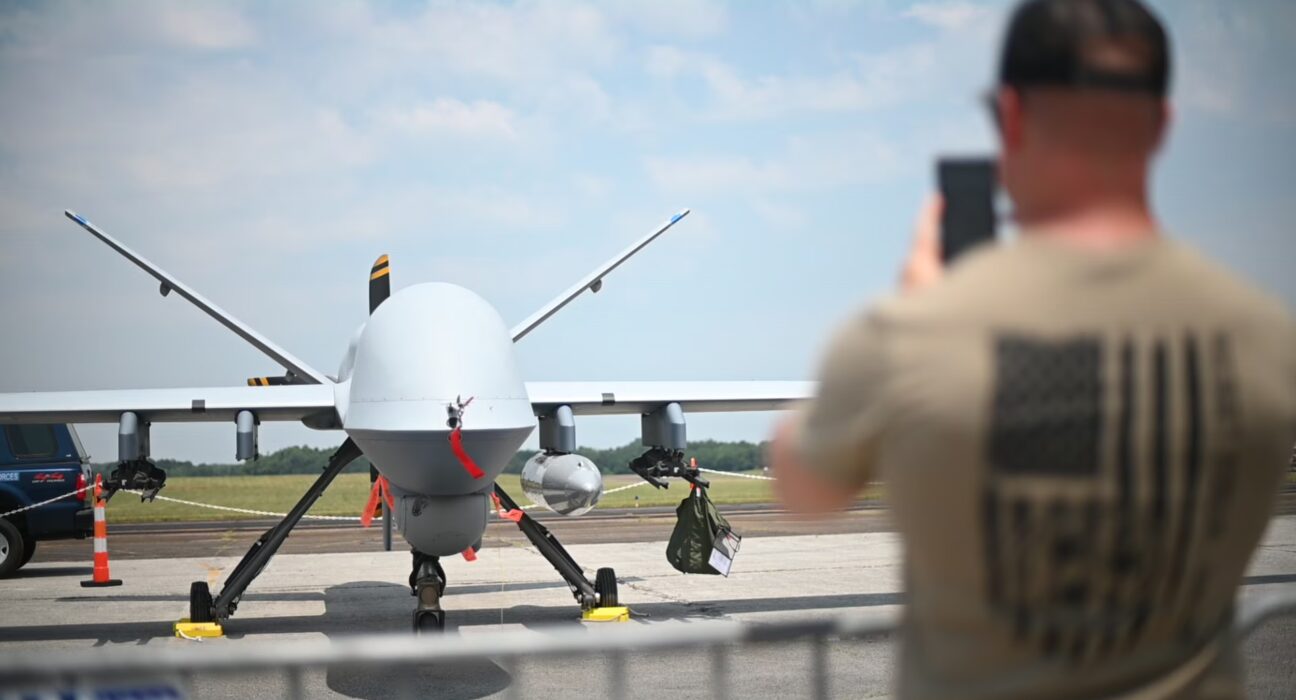
Long before the MQ-9 Reaper made history over Middle Tennessee skies, this ground was already sacred to American military aviation.
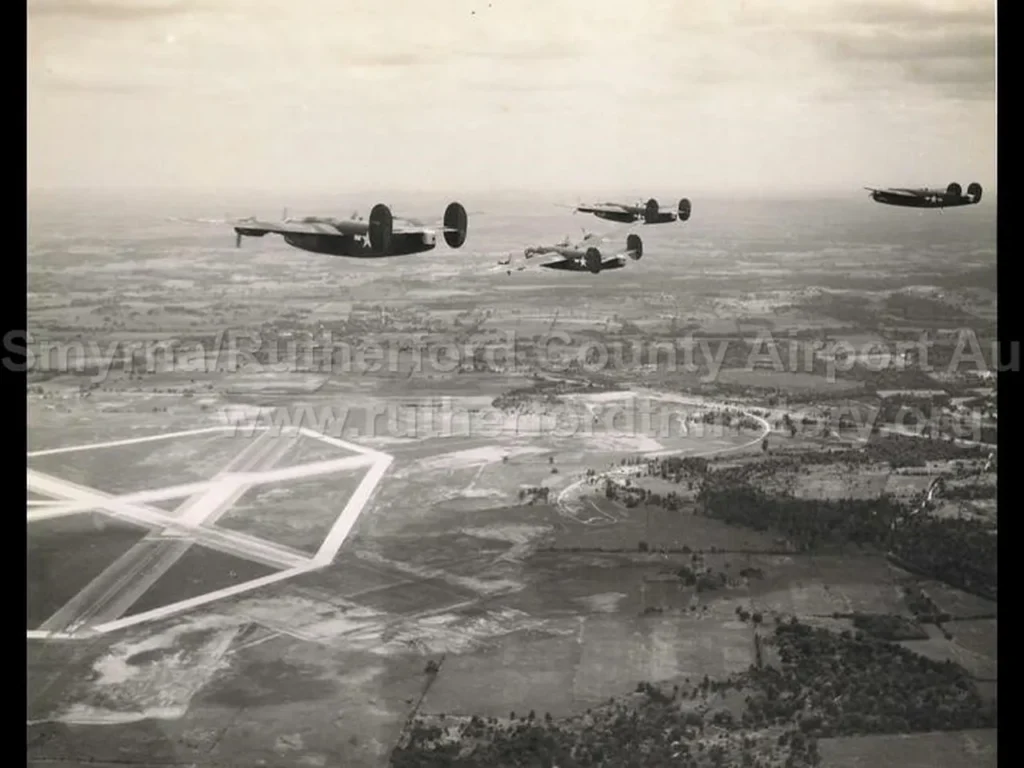
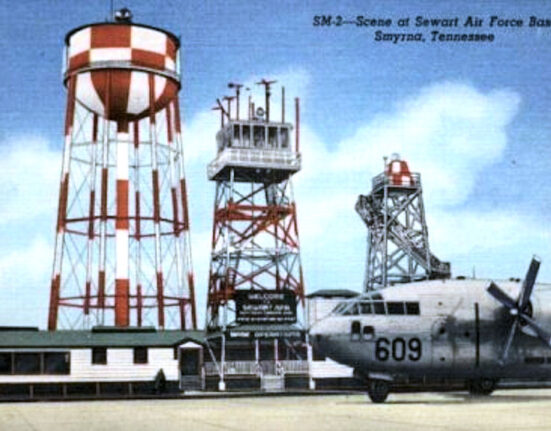
What is today the Smyrna/Rutherford County Airport began in the darkest days of World War II. Weeks after the attack on Pearl Harbor, the War Department selected 3,325 acres of Rutherford County farmland off US Route 70 and put six thousand workers to task. They built 200 buildings and a fully operational airfield almost overnight — because the nation could not afford to wait.
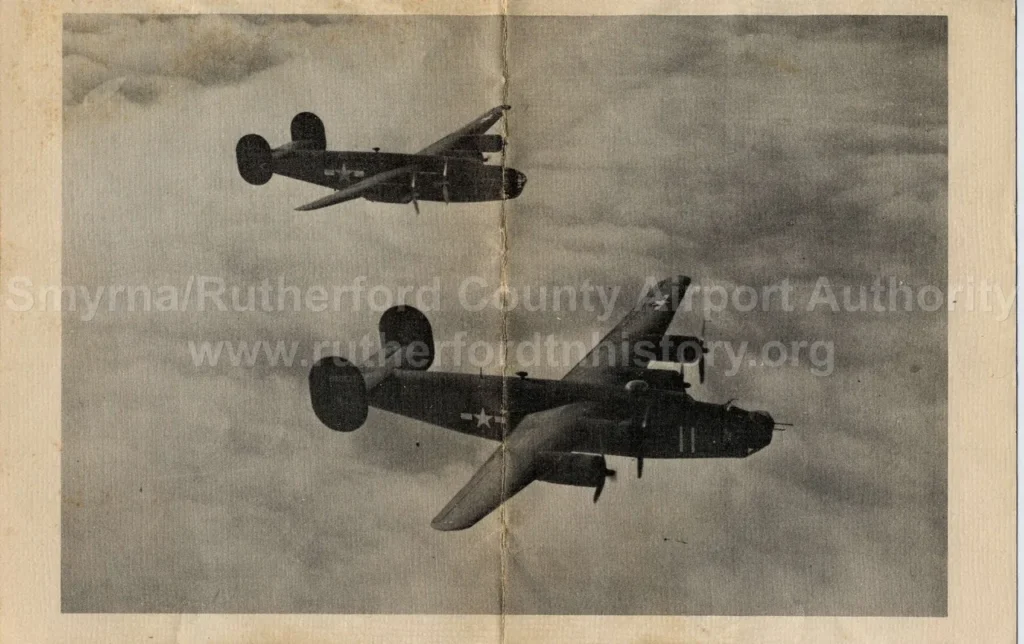
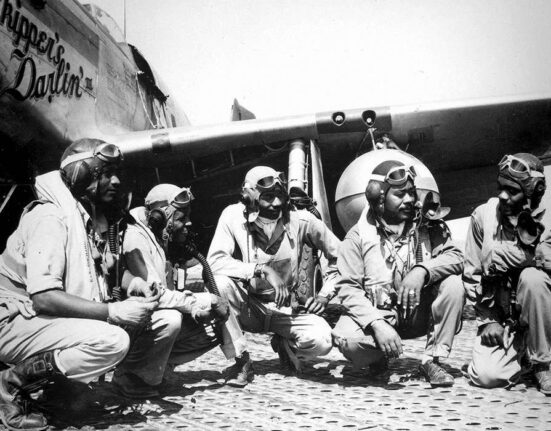
Known then as Smyrna Army Airfield, the base became a training ground for some of America’s most fearless aviators. Young cadets climbed into B-17 Flying Fortresses and B-24 Liberators, learning to command heavy bombers that would soon be thundering over Nazi Germany. Those who excelled were commissioned as officers and sent directly into combat with the Second Air Force.
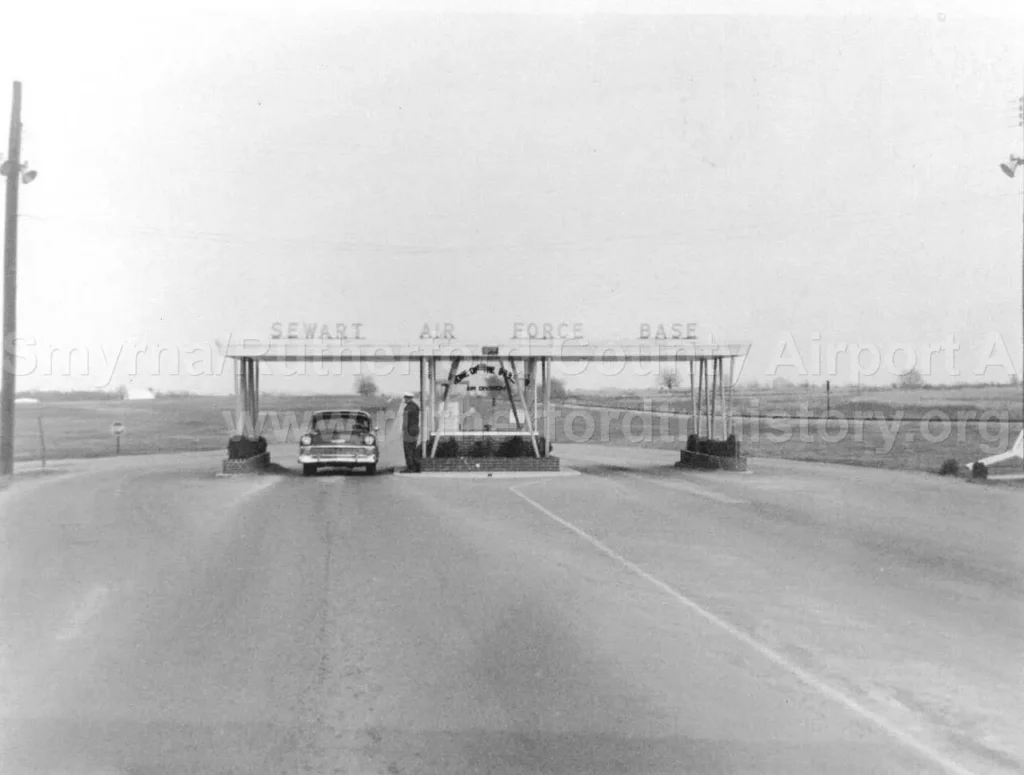
The base was later redesignated Sewart Air Force Base, serving under Tactical Air Command until its closure in 1971 — thirty years of unbroken military service rooted in Rutherford County soil.
That legacy never left — it simply evolved.
Today, where cadets once prepared for war over Europe, the Tennessee Air National Guard’s 118th Wing is writing the next chapter — remotely piloting Reaper drones across the country and positioning Smyrna as one of the most strategically important military aviation sites in the American South.
Who Remembers the Old Guard Shack?
Being born at Sewart Air Force Base Hospital like many others here in Smyrna we grew up in the shadow of this history. My father served in the Eighth Air Force during World War II, flying 24 combat missions over enemy territory in the very bombers that were trained on grounds like these. Every time I drive past that airport, I think of him — and of every young man who left Rutherford County not knowing if he would come home.
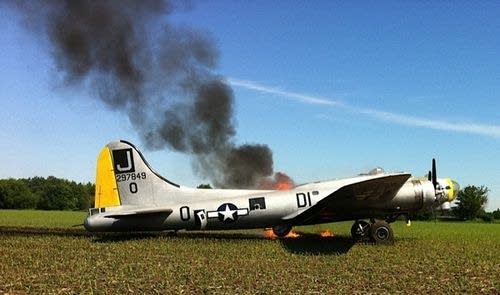
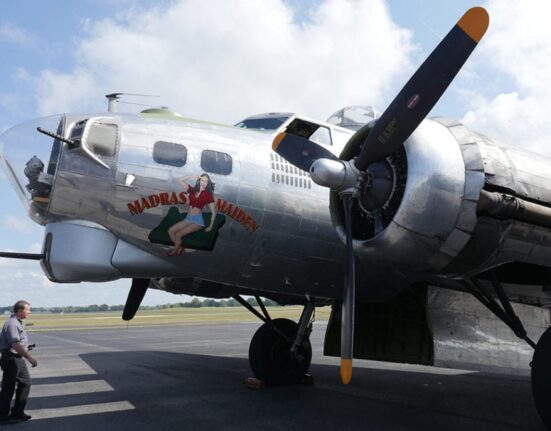
My son Payton and I had the privilege of flying on the Liberty Belle, a restored B-17 Flying Fortress — one of the most iconic warbirds in American history. What made it even more meaningful was that Payton captured her on video, not knowing those images would soon become irreplaceable.
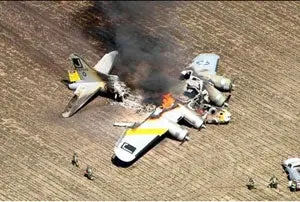
On June 13, 2011, the Liberty Belle departed Aurora Municipal Airport in Illinois and, just six minutes after takeoff, an in-flight fire broke out. The crew executed a remarkable emergency landing in a cornfield near Oswego, Illinois. All seven people on board survived. But muddy field conditions hampered emergency crews, and the fire consumed the aircraft before she could be saved. The NTSB later determined the cause was an inadequate repair to a cracked fuel tank.
A piece of living history was lost that day in an Illinois cornfield. But thanks to Payton’s camera, a small piece of her lives on — right here in Rutherford County.
Some ground never stops serving — some stories are too important not to tell.
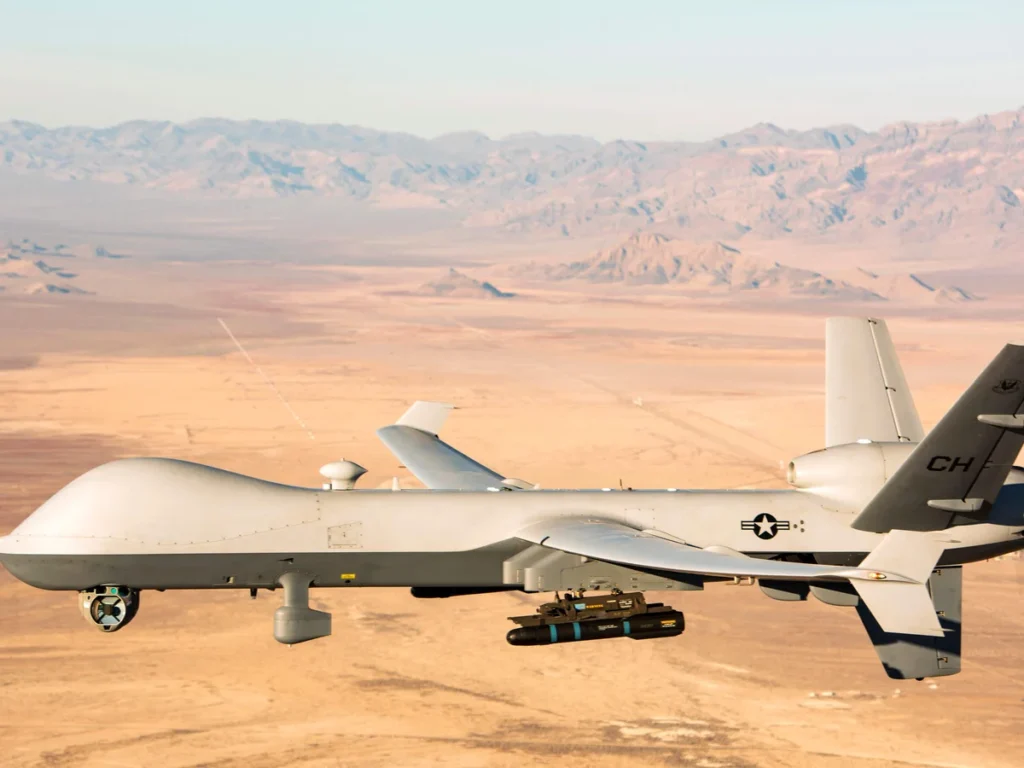
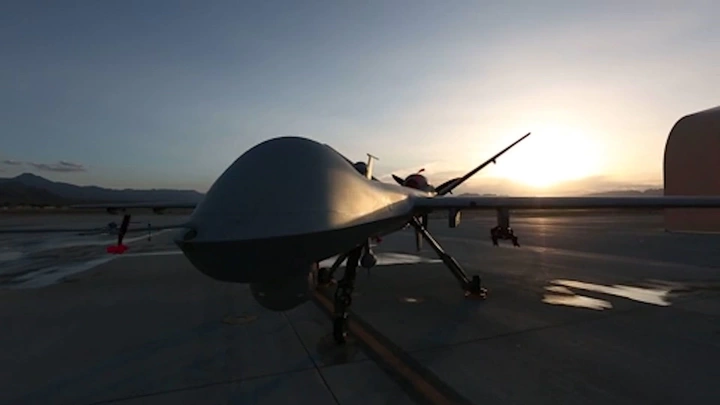
SMYRNA, Tenn. — The Tennessee Air National Guard’s 118th Wing made aviation history when it remotely piloted an MQ-9 Reaper drone from California to its home base in Smyrna — a milestone that continues to shape how the Guard trains and deploys today.
The mission, conducted as part of exercise Whiskey Fury, was built around the Air Force’s Agile Combat Employment model — a framework now firmly embedded in how the 118th Wing operates. Members of the 118th Operations Group piloted the MQ-9 to a successful takeoff and landing without forward-deployed ground crews, a capability that has since expanded training opportunities across Middle Tennessee.
The key technology behind the mission is Satellite Launch and Recovery, or SLR — a system that allows MQ-9s to take off and land autonomously using pre-programmed profiles while the pilot remains in full command from a remote location.
“The airplane is still being flown through the satellite, but based on an auto takeoff and landing profile we’ve built into it, it basically allows the aircraft to go and land on its own,” said Lt. Col. John Woods, assistant director of operations, 118th Operations Support Squadron. “It knows exactly where it is and where the runway is.”
Woods was quick to emphasize that the pilot retains full authority throughout every flight. The automation assists — it does not replace — the airman at the controls.
The impact on local training has been significant. For years, the 118th Wing lacked the ability to conduct regular MQ-9 training flights from Smyrna. That changed with this capability, opening the door to daily training missions to Fort Campbell, Kentucky, and Arnold Air Force Base in Coffee County — strengthening partnerships with Army units on close air support, convoy overwatch, and joint federal missions.
Beyond combat training, the MQ-9’s domestic value has become increasingly clear. The platform can remain airborne for more than 24 hours, carry a wide range of sensors and cameras, and even function as an airborne communications tower during natural disasters — a role the California Air National Guard pioneered during wildfire response operations and one the 118th Wing has studied closely.
“It’s such a good platform for cameras and sensors and could become an airborne cell tower if there’s a natural disaster,” Woods said. “The payload we can carry to support Tennesseans — and anyone affected nationally — is huge.”
For Smyrna and Rutherford County, the 118th Wing’s continued investment in cutting-edge technology represents more than military readiness. It reflects a community commitment — men and women in uniform, rooted in Middle Tennessee, carrying out missions that protect and serve both the state and the nation.