The Beach That Flew In on a C-130: The Forgotten Story of Sewart Air Force Base’s Hidden Gem
By Mike Sparks
Most people who grew up in Smyrna, Tennessee have a story about Percy Priest Lake. Maybe it was a summer fishing trip with a grandfather, a family cookout on the water, or just one of those lazy Saturday afternoons that seem to belong exclusively to Middle Tennessee summers. But there’s one chapter of Percy Priest Lake history that even lifelong Smyrna residents might not know — the story of a beach that didn’t just appear naturally on the Tennessee shoreline. It was flown in.
… That’s right. Flown in.
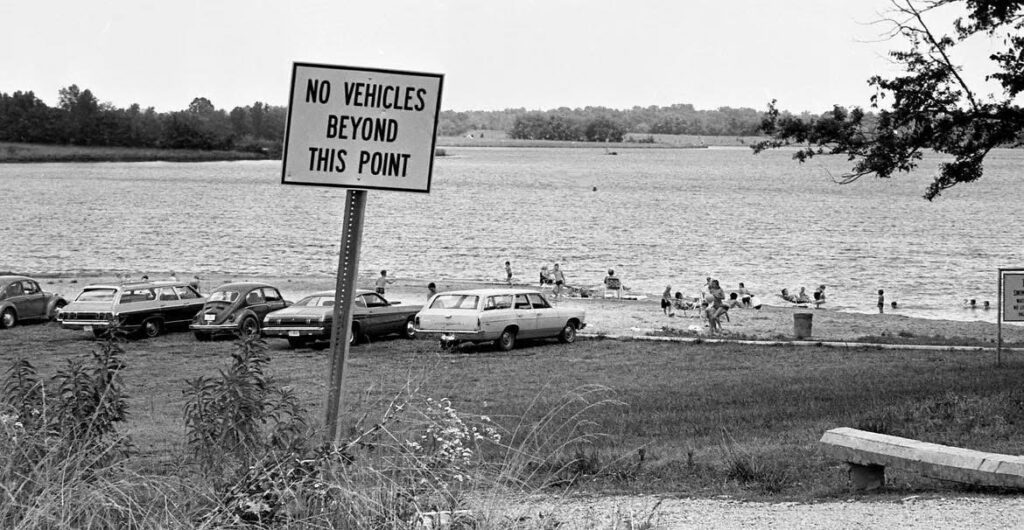
Smyrna Beach
Back when Sewart Air Force Base was an active military installation anchoring the heart of Smyrna, the base had access to a recreational beach on Percy Priest Lake that was the envy of the region. But there was one problem — Tennessee isn’t exactly known for its white sandy shores. So the United States Air Force did what the United States Air Force does: it solved the problem with aircraft. Specifically, C-130 Hercules transport planes made the run from Panama City, Florida, hauling load after load of fine white Gulf Coast sand back to Middle Tennessee so that airmen and their families could enjoy a proper beach experience right here in Rutherford County.
If that sounds like something out of a tall tale, it isn’t. It’s the kind of detail that speaks volumes about what Sewart meant to this community — and what the military was willing to do for the men and women who served there.
WGNS radio host Bryan Barrett and I have aired a few remote radio programs of Rutherford Issues, the Smyrna Edition and did one right from the waters of the former Smyrna Beach.
A Base That Shaped a Town
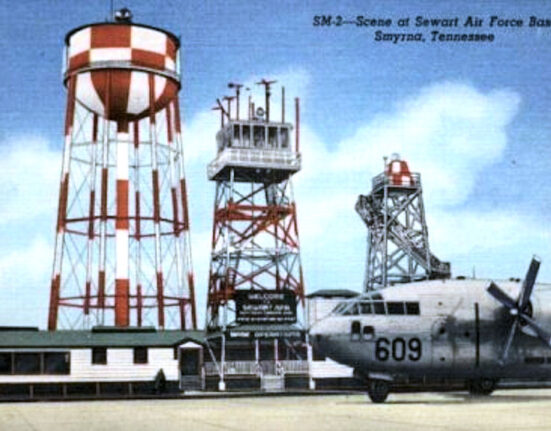
Sewart Air Force Base was more than a military installation. For decades it was the economic and cultural backbone of Smyrna. Established during World War II and later becoming a major hub for the Military Airlift Command, Sewart was home to thousands of airmen, their families, and the entire support network that a functioning military base brings with it. Restaurants, businesses, churches, and schools in Smyrna all felt the pulse of Sewart running through them.
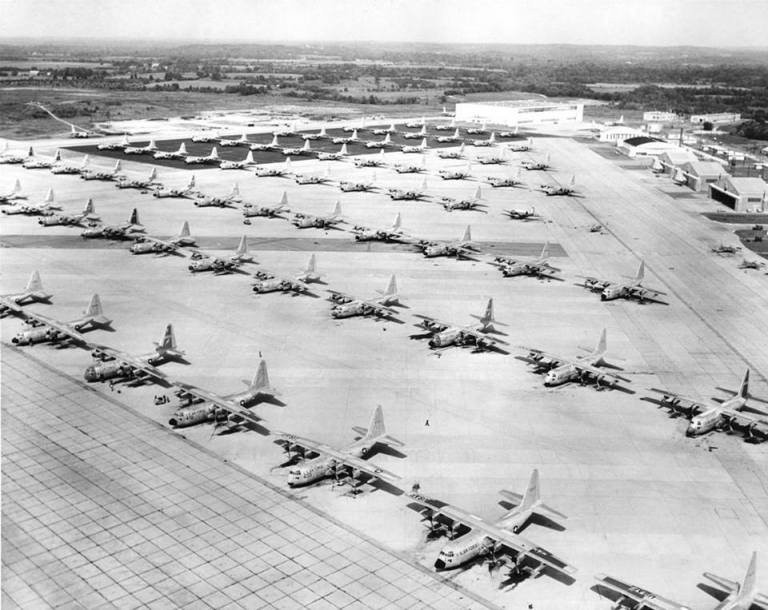
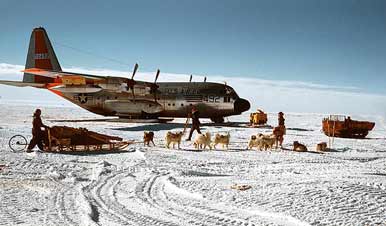
The base was known for its C-130 Hercules operations, which makes the Panama City sand story all the more fitting. Those legendary four-engine turboprop aircraft were built for exactly this kind of mission — moving things that needed to be moved, wherever they needed to go. Whether it was troops, equipment, or a few tons of Florida beach sand destined for a Tennessee lakeshore, the C-130 got the job done.
The beach on Percy Priest Lake became a genuine recreational treasure for the base community. Families who had followed their servicemen and women to Smyrna from across the country — some from coastal states, some who had never expected to find themselves landlocked in Tennessee — found a little piece of home on that sandy shore. Kids played in the water. Couples spread out blankets in the summer sun. For a few hours, you could almost forget you were a thousand miles from the nearest ocean.
Smyrna Ghost Town?
When the Base Closed many thought Smyrna would become a ghost town. After all Sewart Air Force Base is what put Smyrna on the map.
The Base was officially closed in 1971 as part of a nationwide military realignment. It was a blow that Smyrna felt deeply. Thousands of jobs, families, and the steady economic engine of the base were gone almost overnight. The runways that had once launched C-130s on missions around the world went quiet.
Sewart Air Force Base
But Smyrna being Smyrna, the community didn’t stay down. The infrastructure left behind by Sewart eventually became the foundation for what is now Nashville Smyrna Airport, and the surrounding area gradually transformed into the thriving industrial and commercial corridor that Rutherford County residents know today. Nissan’s massive manufacturing plant — one of the largest in North America — now sits on land that was once part of the Sewart footprint. That’s quite a transformation.
The beach, of course, is gone. Percy Priest Lake remains one of Middle Tennessee’s finest outdoor destinations, but the white Gulf Coast sand that once graced its Smyrna shores has long since washed into memory. There are no historical markers pointing to where it was. No photographs in the tourist brochures. Just the recollections of those who were there — aging veterans, military families, and Smyrna old-timers who remember a summer afternoon on a beach that the Air Force built one C-130 load at a time.
Why It Matters
Stories like this one are worth preserving. Not because they are grand or world-changing, but because they reveal the texture of a community’s life — the ingenuity, the pride, and the simple human desire to make a good life wherever you’re planted. Those airmen and their families didn’t just serve their country. They put down roots in Rutherford County. They went to our churches, enrolled their children in our schools, and yes, they built a beach on our lake out of Florida sand because they wanted something beautiful to share with the people they loved.
That’s a very Tennessee story, even if the sand came from Florida.
If you grew up around Sewart, or if your family has memories of that beach on Percy Priest Lake, I’d love to hear from you. These stories deserve to be told before they fade entirely. Reach out to us at TennesseeLedger.com and share what you remember.
… Some history books you have to build yourself — one memory at a time.