The Blue Wall Cracks: How Registration Shifts and Financial Woes Threaten the DNC
By Ron Yates
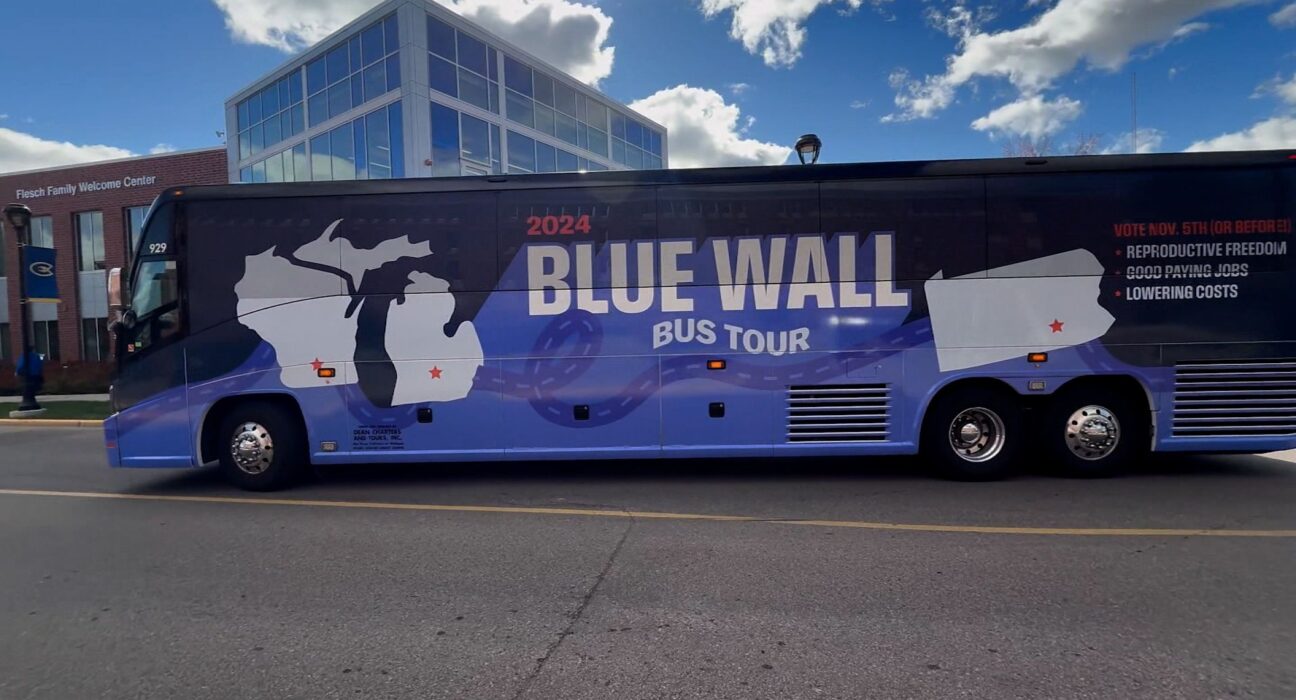
Across the Rust Belt and key swing states, the political landscape is shifting under the feet of the Democratic Party. What was once considered an ironclad “Blue Wall”—anchored by Pennsylvania, Michigan, and Wisconsin—is displaying severe structural fractures driven by shifting voter registrations, declining public trust, and severe financial pressures at the Democratic National Committee (DNC).
A Reality Check in the Numbers
Recent polling data from major networks highlights a growing challenge for Democratic leadership. On critical issues such as foreign policy and national security, public trust has increasingly favored Republicans. According to CBS News and CNBC polling, voters report higher levels of confidence in Republican leadership to handle major international crises, including ongoing conflicts in the Middle East.
More concerning for party strategists, however, are internal congressional approval metrics. Polling shows public support for Democrats in Congress hitting some of its lowest net-approval ratings on record, driven not only by independent voters drifting away, but by growing dissatisfaction within the party’s own base.
The Ground Game in Pennsylvania
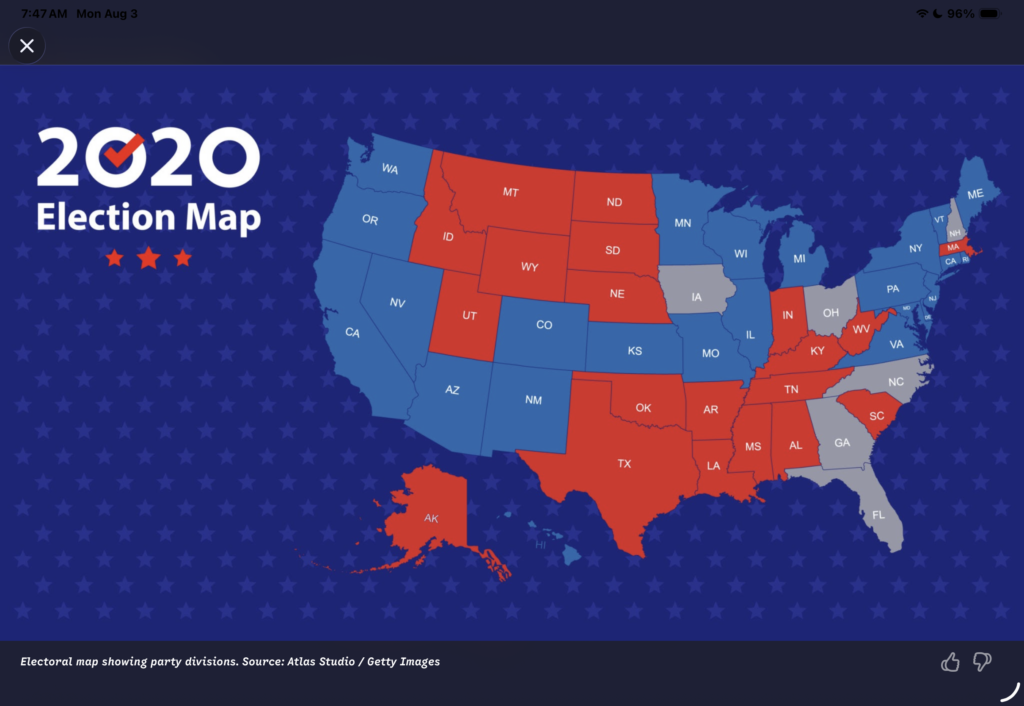
The most pronounced operational shift is unfolding in Pennsylvania. Once holding a voter registration advantage near one million, Democrats have seen that margin compress down to approximately 50,000. Across all 67 counties, registration data reflects a distinct turn toward the Republican party.
This movement has not been driven primarily by high-budget media buys or super PAC ad campaigns, but by targeted grassroots field operations. Grassroots organizers, such as Scott Presler, have led dedicated voter registration drives that directly target local communities—demonstrating the outsized impact of traditional ground-game strategy over corporate political consulting.
The Domino Effect: Michigan, Wisconsin, and Iowa
Historically, political shifts in Pennsylvania do not occur in isolation:
Michigan: Having mirrored Pennsylvania’s electoral movements for decades, Michigan is experiencing similar underlying demographic and political shifts, despite not tracking voter registration by political party.
Iowa & Wisconsin: Iowa’s significant rightward shift—where Republicans now hold an advantage of over 180,000 registered voters—serves as a strong bellwether for neighboring Wisconsin, placing additional pressure on the northern Midwest.
Voters switching parties cite a cumulative burden of economic and quality-of-life concerns: persistent inflation, elevated housing costs, public safety worries, and broader economic uncertainty.
Financial Strain at the DNC
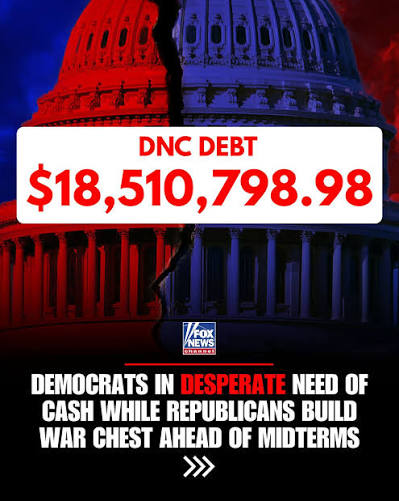
While political momentum shifts on the ground, the organizational apparatus of the Democratic Party faces unprecedented fiscal headwinds. To cover basic operating expenses and payroll, the DNC recently leveraged its Washington headquarters as collateral for a $15 million loan—marking its largest off-year financial liability in history.
With reportings indicating $18.5 million in debt against $16.3 million in cash reserves, the committee stands in sharp contrast to the Republican National Committee (RNC), which has reported over $120 million in liquid reserves with zero debt.
Looking Ahead
As grassroots dynamics evolve and economic pressure continues to weigh on households across swing states, the traditional political maps of past decades are being rewritten. For both parties, the takeaway is clear: long-term voter alignment cannot be taken for granted, and ultimate success will depend on ground-level execution and address of core economic concerns.