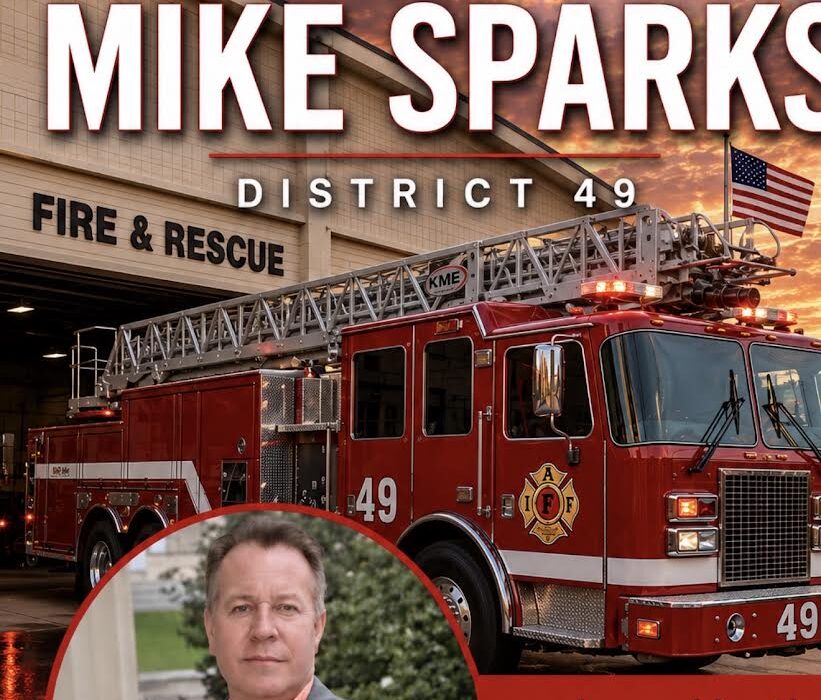
Standing with Our First Responders: A Heartfelt Thank You to the Tennessee Professional Firefighters Association
“Sometimes I Call My Mom.”
Those were the words spoken by Murfreesboro City Firefighter Ben Honeycutt—now Captain Honeycutt—when I asked how he coped with the trauma and stress of the job. To be honest, I wasn’t expecting such a heartfelt response. But thinking about it now, I’m sure many of us wish we could pick up the phone and call our moms after a difficult day.
The Firefighters Association hosts what is, hands down, the best reception in downtown Nashville. What makes it so special isn’t just the food—it’s the hospitality. Firefighters walk around to legislators and staff, refilling sweet tea and offering second helpings of Uncle Bud’s Catfish. They even had a to-go box ready for folks like me. I rarely attend receptions, but I’ve never seen a group serve with such a genuine servant’s heart. It’s a great reminder of the old adage: “The way to a man’s heart is through his stomach.”
When I was first elected, local firefighters reached out about needing better access to mental health care. To be honest, I didn’t completely understand the need at first. But after listening to their stories, my perspective completely changed—a paradigm shift.
While I won’t go into the details of their individual stories here, we often explore these deeply personal issues on my radio program, Conversations with Mike Sparks, heard every Sunday from 5 to 6 p.m. on WGNS (100.5 FM, 101.9 FM, 1450 AM, or streaming live at WGNSradio.com).
https://www.facebook.com/search/top/?q=Michael%20sparks%20Tennessee%20professional%20firefighters
Ironically, when I was 19 I went to college to become an Emergency Medical Technician, but I eventually realized the field wasn’t for me.
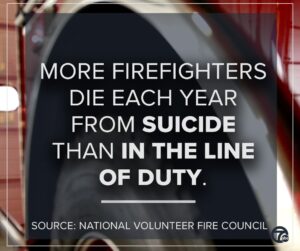

A silent alarm: Inside Florida’s urgent battle over firefighter suicide

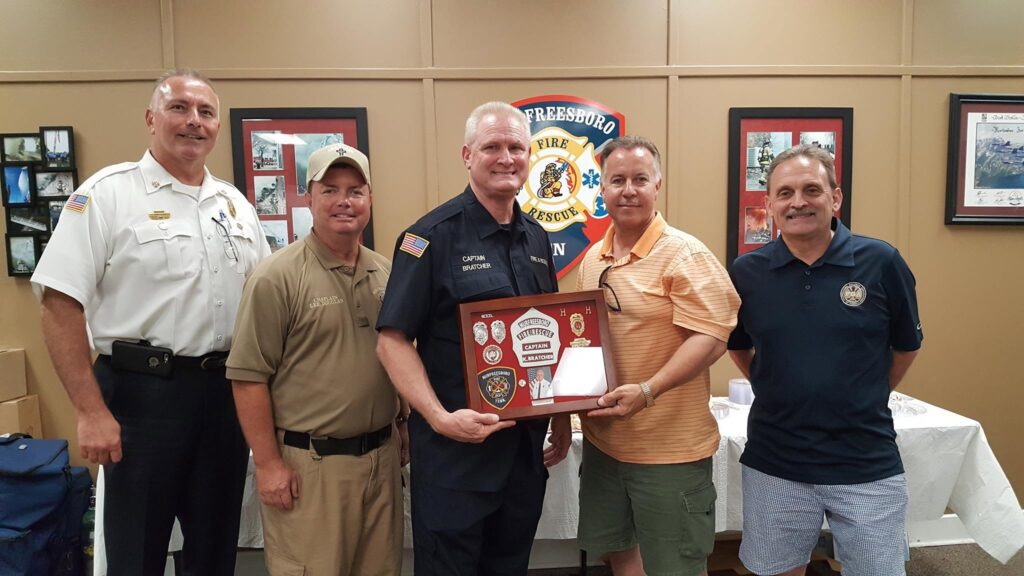
“I tell firefighters across Tennessee that they don’t have a stronger advocate in the Legislature than Mike Sparks. Many lawmakers vote for firefighter bills, but Mike goes beyond voting—he actively fights for firefighters and truly cares about them. Tennessee’s firefighters are fortunate to have someone like him standing in their corner,” were the kind words of retired fire captain Keith Bratcher. During one of my MTSU TV News courses I knew Keith was retiring and opitched the story to my professor Dan Echenfelder. He loved getting that story on Keith’s very last day on the job.

Tennessee’s First Responder Mental Health Crisis
I am deeply honored and proud to receive the official endorsement of the Tennessee Professional Fire Fighters Association (TPFFA). Tennessee’s firefighters represent the best of us—stepping into danger, running toward burning structures, and providing critical emergency care when the rest of us are having our worst days.
While we readily recognize the physical dangers these men and women face daily, we too often overlook the invisible injuries they carry long after the sirens fade.
The Hidden Crisis Facing Our Firefighters
An increasing number of firefighters are dying by suicide, suffering from post-traumatic stress disorder (PTSD) contracted directly from exposures experienced while serving the public. Firefighters and rescue personnel develop PTSD at rates comparable to military service members returning from combat. A study published in the Journal of Occupational Health Psychology revealed that approximately 20 percent of firefighters and paramedics meet the criteria for PTSD during their careers—compared to just 6.8 percent in the general population.
Tragically, this toll is reflected in suicide rates. The Ruderman White Paper on Mental Health and Suicide of First Responders estimates that at least 100 firefighters take their own lives every year. The suicide rate for firefighters sits at roughly 18 per 100,000, significantly higher than the general public rate of 13 per 100,000.
Why Current Support Systems Fall Short
Part of the reason this crisis persists is a critical gap in care:
Lack of Cultural Competency: First responders face unique, repeated trauma. Standard counseling often misses the mark because many clinicians lack the specific background needed to understand first-responder culture.
Ill-Equipped Local EAPs: Standard Employee Assistance Programs (EAPs) provided by local municipalities are frequently under-resourced or unprepared to handle severe, chronic trauma and acute post-traumatic stress.