This episode is part of a six-week special series interviewing candidates for Rutherford County Mayor and Sheriff.
MURFREESBORO, TN (April 2026) — In the April 5, 2026 installment of Conversations with Mike Sparks, the longtime 

The episode opened with shout-outs by Rodger Thomas to local businesses and services across Smyrna and Murfreesboro, including insurance business sponsors like Marc Lewis Farmers Insurance located on Rock Springs Road in Smyrna, Crusader Auto Works who specialize in classic cars in Smyrna, Dr. Automotive auto repair, Affi Pest Control, foster care support through Isaiah 117 House, and faith-based recovery programs like Celebrate Recovery.



Frustration with Media Coverage and Push for School Bus Driver Reforms
A major theme was Sparks’ ongoing legislative efforts to address the chronic shortage of school bus drivers. He criticized local media—specifically calling out a Channel 5 report—for what he described as misrepresentation and selective editing. According to Sparks, the story omitted key context, including references to faith and incorrectly reported the age of the legislation would go to 21, yet the correct age is 23 in his legislation that has since passed the Senate with both democrats and republicans voting for it.
“I’m fighting a spiritual battle here. Ask yourself. Why would WTVF channel 5 omit and censor my quote and take out the reference to Christ granting peace to the grieving family of the recent school bus fatalities—they totally omitted that” Sparks said, referencing Ephesians 6:12 while expressing frustration over division, “fake news,” and the lack of organized lobbying support for bus drivers. We theorize the reporter used ChatGPT to write the story since it picked up information form last years legislation. In fairness, the reporter did send us an apology—yet the fake news and false reporting was done.
Sparks thanked MTSU college fraternity Omega Psi Phi last week held on campus and feeling somewhat isolated as a Republican voice in certain settings. Sparks advocated for finding mentors, helping those that have no positive male role models, his affordable housing legislation and easing barriers to entry for school bus careers to keep children safe and routes running reliably. “Many may not know that Tennessee is the most restrictive state when it comes to driving a school bus, not only in the United States—but the world. Folks, I can’t make this stuff up. There are no lobbyists fighting for common sense and working folks.”
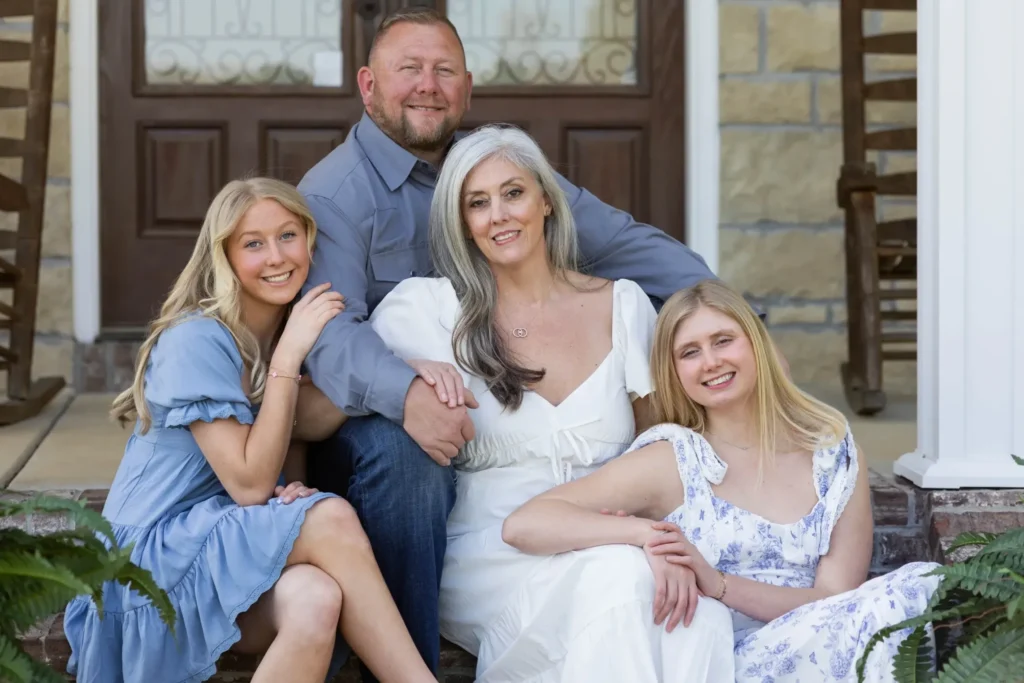

Spotlight on Sheriff Candidate Lt. Kenneth Barrett
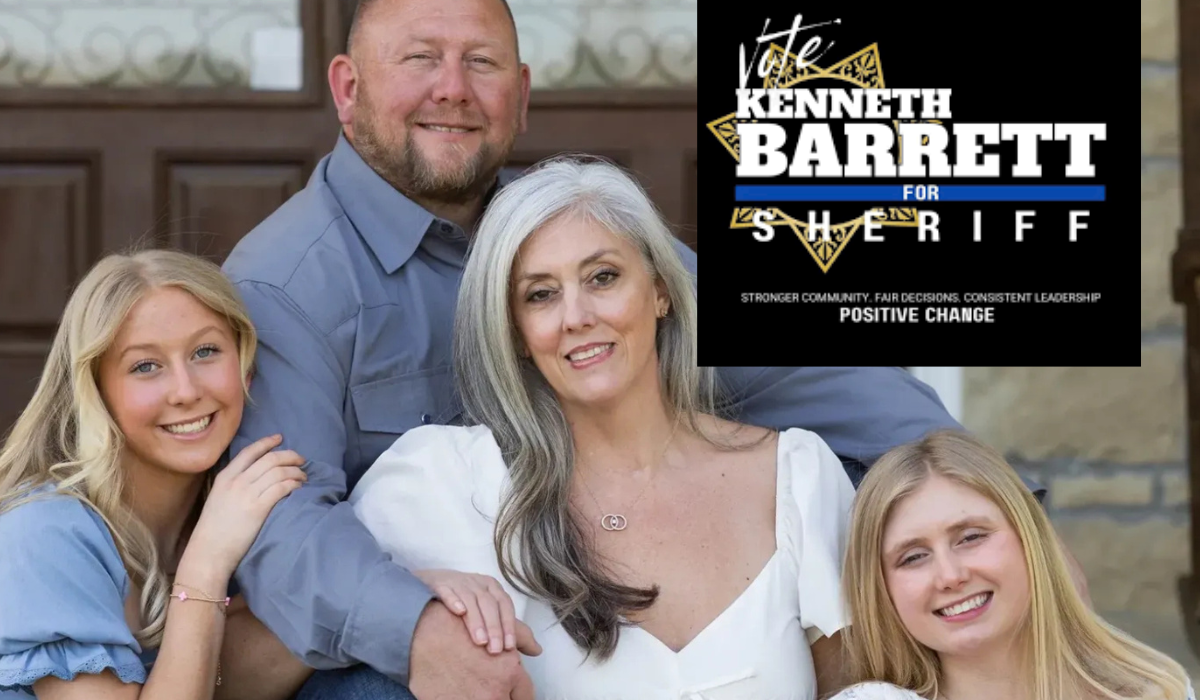
The heart of the episode featured an in-depth interview with Lt. Kenneth Barrett, a Rutherford County Sheriff’s Office veteran running for sheriff, accompanied by his wife Sandra and daughters Kiley (21, a biochemistry graduate heading to medical school) and Ellen (15, a high school cheerleader who just got her driver’s permit).
Barrett shared his journey: starting as a 20-year-old corrections officer, advancing through patrol, narcotics, K-9, and interstate interdiction units. He follows in the footsteps of his late father, who served 34 years with the sheriff’s office. Barrett emphasized servant leadership, transparency, valuing employees, and community engagement.
Key priorities he outlined included:
• Tackling addiction, which he linked to most local crime.
• Expanding peer support and chaplain programs to address mental health and the high suicide rates among first responders (noting these exceed line-of-duty deaths).
• Improving post-release success for inmates through mentorship and programs like Men of Valor.
• Dignity in corrections and better de-escalation training.
The department currently runs short 20–25 deputies, relying on overtime and assistance from the Tennessee Highway Patrol. Barrett advocated for starting officers in the jail to build foundational skills and called for a new jail facility (300–330 beds) to ease overcrowding. He also touched on broader funding debates, suggesting priorities sometimes favor other areas over critical infrastructure like jails.

Retired Murfreesboro firefighter Keith Bratcher joined to endorse Barrett, praising his qualifications, character, and long-standing community involvement. The conversation highlighted real-world challenges like post-traumatic stress in public safety roles and success stories of rehabilitation and second chances.
Community, Faith, and Personal Reflections
Sparks shared personal anecdotes throughout, including stories from his father’s World War II service, Easter reflections, and local events such as Rutherford County Commssioner Carl Boyd and his upcoming fundraiser at the historic Sam Davis Home. He shared lessons from mentors (former officer Sally Walls who dismissed a wrongful ticket telling Sparks ‘that guys a bad cop!”) and stressed early intervention for youth, work ethic, and faith-based solutions to societal issues.
The show closed with appreciation for Barrett’s campaign and a preview of future guests, including Randy Allen who will be on Sunday April 12 5-6pm.