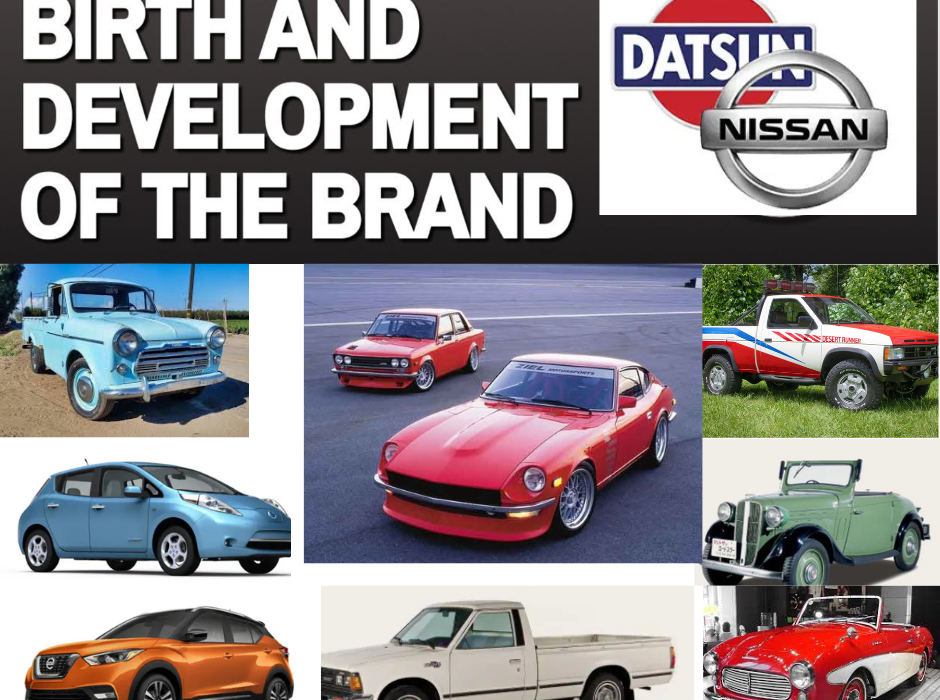
The Complete History of Nissan: From Tokyo to Tennessee
The Origins of Nissan: From Datsun to Global Icon
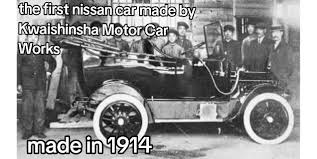
The story of Nissan begins in 1911 with the founding of the Kwaishinsha (Kaishinsha) Motor Car Works in Tokyo. Three years later, in 1914, the company produced its first vehicle—the DAT model, named using an acronym of the initial investors’ surnames. Though these early vehicles bore the Datsun name, the Nissan brand as we know it didn’t officially emerge until 1933, when founder Yoshisuke Aikawa listed the Nihon Sangyo Company on the Tokyo Stock Exchange under the ticker name “NISSAN,” officially establishing Nissan Motor Co., Ltd. This pivotal moment set the stage for what would become one of the world’s most innovative and recognizable automotive companies. In the 91 years since that historic listing, the Nissan name has grown to become a household brand known in almost every corner of the globe, representing a legacy of innovation, performance, and technological advancement that continues to shape the automotive industry today.
1914-1959: Building the Foundation
Japan’s First Mass-Produced Vehicle (1937)
The Datsun Type 15 became the first mass-produced Japanese vehicle, a milestone achievement for the country’s automotive industry. The Type 15 line included various body styles: phaeton, mini pickup, and delivery van, demonstrating Nissan’s early commitment to versatility.
The Skyline Debuts (1957)
A forerunner to the revolutionary GT-R®, the Skyline was introduced in 1957. This iconic nameplate would evolve over decades, eventually leading to the modern Nissan R35 GT-R, which first became available for sale in the U.S. in 2009.
Datsun Comes to America (1958-1959)
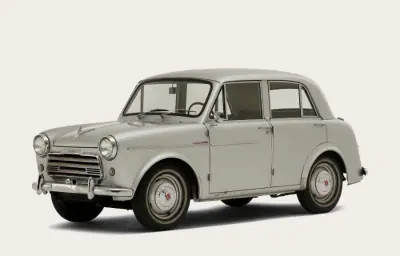
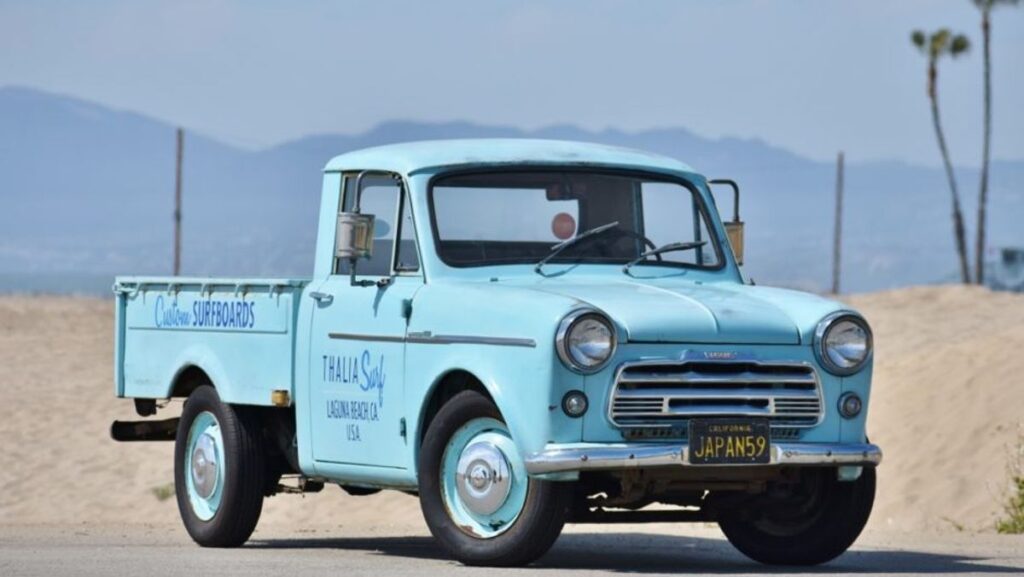
The first Datsun introduced to the U.S. market in 1958 was the Datsun 1000, built on the same platform as the Datsun pickup truck. This was replaced in 1961 by the Datsun 1200. In 1959, the compact pickup truck came to America, and while the first Datsun models arrived in ’58, a quarter-ton model with a 48-HP 1200 CC engine truly established itself on American shores the following year.
From Japan to America (1959)
Nissan brought its first Datsun models—a 1000 cc car and truck—to the U.S. at the 1959 Los Angeles Auto Show. This marked the beginning of Nissan’s American journey, which would eventually lead to global expansion with production facilities in Mexico (1966), Australia, Taiwan, and ultimately the first American factory opening in Smyrna, Tennessee, in 1983.
1960-1969: Datsun Performance Shines
Fairlady 1200 Roadster (1961)
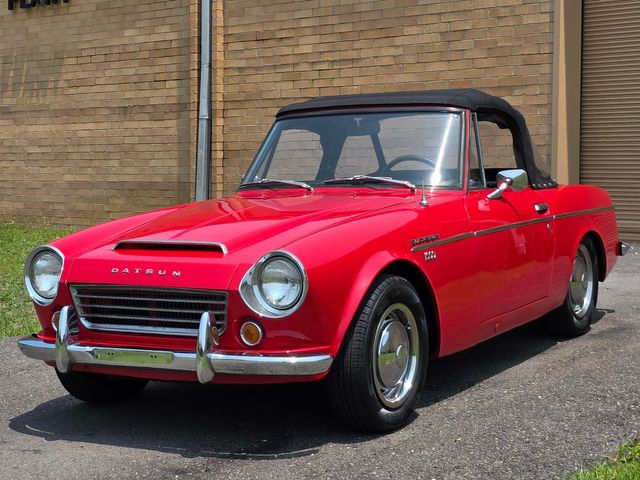
The first Datsun sports car imported to the U.S., this convertible roadster featured steel bodywork with a zippy 48-hp engine and drum brakes. Only 288 units were produced through 1962, making it a collector’s item today.
Datsun 320 Truck (1965)
An upgrade to previous Datsun trucks, the 320 featured a 60-hp engine and the first 4-speed floor shift, setting new standards for compact truck performance.
Exclusive Performance: The 2000 Roadster (1967)
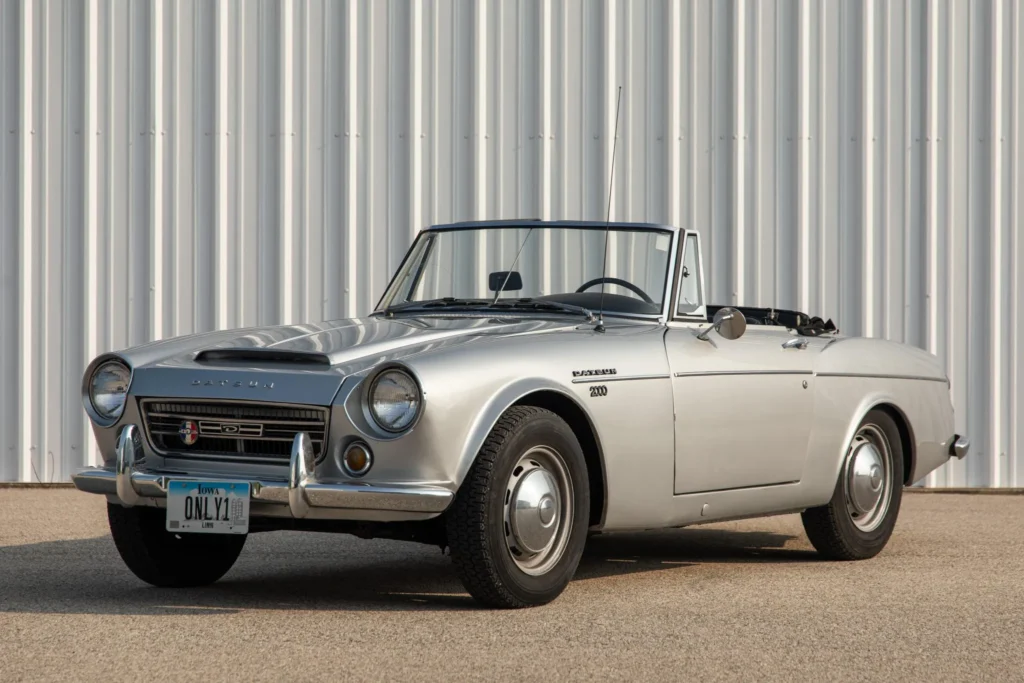
Highly desired by collectors, the 2000 Roadster was the first Japanese production sports car to come with a 5-speed transmission. Combined with its robust 150-hp engine, it was extraordinarily fun to drive. Production was limited to just 1,000 units, with the first 10 being lightweight versions designed specifically for racing.
Expanding the Lineup (1967-1968)
1967 was a banner year for Nissan in America. The company introduced the Nissan 411 4-Door Sedan, designed by Italian design house Pininfarina and featuring a luxurious interior. It was the first Datsun vehicle in the American market to feature a fully 3-speed automatic transmission.
That same year, Nissan launched its first SUV in the U.S.—the Nissan Patrol. Following Land Rover’s trail, it offered more power for less money while being just as tough. The Patrol was the only vehicle sold and marketed in the U.S. as a Nissan prior to 1983.
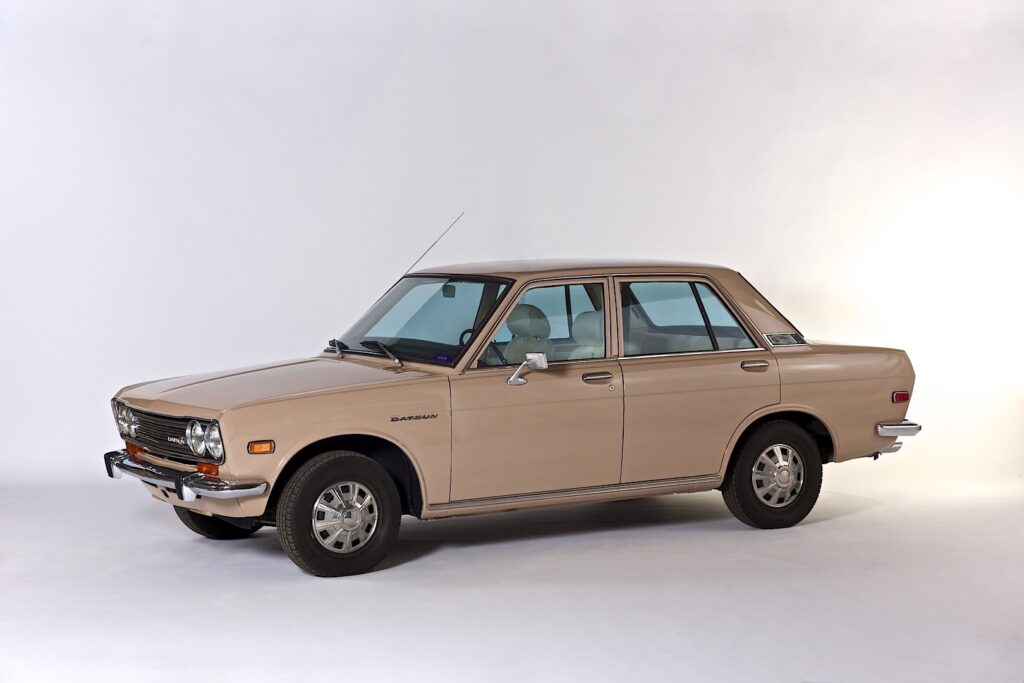
In 1968, Nissan launched the first car styled specifically for the U.S. market: the Datsun 510 sedan, available in 2-door, 4-door, and 5-door wagon configurations.
Datsun 1600 Roadster (1969)
The Datsun 1600 Roadster debuted in 1964-1965 as the Datsun Fairlady 1500 and shared many mechanical features with the Datsun Bluebird. Eventually, the model evolved into the Fairlady 1600 Roadster.
1970-1979: Driving Innovation
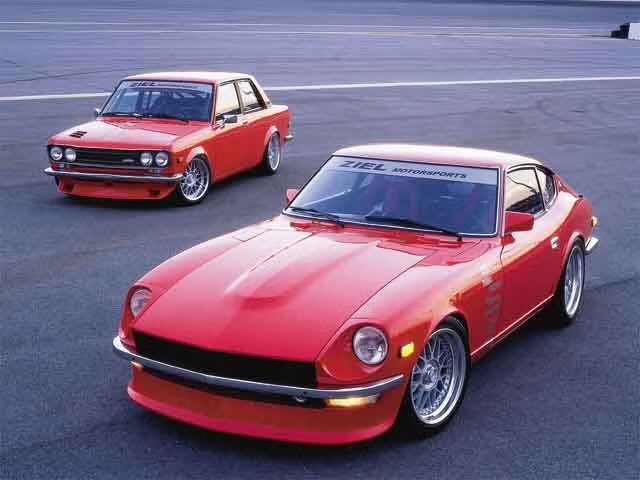
The 1970s were a transformative decade for Nissan. The company sold the one-millionth Datsun and became the top vehicle importer in the United States by 1975. In 1971, annual sales eclipsed 250,000 in the United States for the first time. Nissan also established itself on the track, as the now-legendary Datsun 510 and 240Z dominated racing on two continents. In 1973, the 1-millionth vehicle was sold in America.
Datsun Coupe (1971)
The Datsun Coupe featured seating for five and fold-down rear seats. Available in the U.S. from 1970-73, it sold 89,541 units, making it the best-selling car of the time. Datsun 1200 Coupes won three SCCA C-Sedan National Championships.
Racing Datsun 510, #46 (1971)
Peter Brock and Brock Racing Enterprises (BRE) built and raced the number 46 Datsun 510, which won the 1971 and 1972 SCCA Trans-Am championships driven by John Morton. Its success helped bring brand recognition to a newcomer in the emerging Japanese market.
Datsun 240Z Debut (1971)
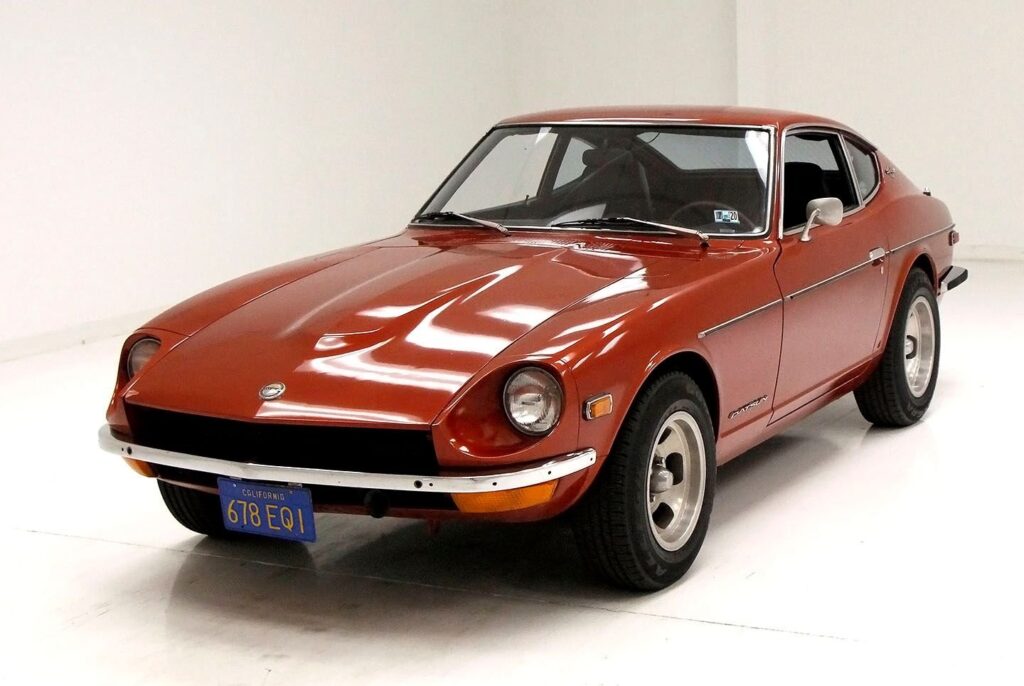
The 240Z was introduced as a new sports car at the New York Auto Show in 1969. It featured a fastback-styled body based on European design and boasted standard equipment like a strong inline 2.4-liter 6-cylinder engine, full instrumentation, and reclining bucket seats—all at an affordable price. This model would become one of the most iconic sports cars of all time.
Datsun 510 Sedan (1972)
The 510 was a novel concept at the time: a good-looking, economical, fuel-efficient, five-passenger car that was fun to drive. It was available in a 4-door sedan or 2-door coupe with independent rear suspension, or a 5-door wagon. Over its lifetime, the 510 went on to sell more than 300,000 units.
Datsun King Cab (1977)
Building a solid reputation for durable and fun-to-drive small trucks, Datsun introduced the King Cab—the first extended cab pickup—in 1977.
Datsun B210GX (1978)
The B210 was renowned as Nissan’s best-selling small sedan of the 1970s. The 1978 model was rated at 48 mpg highway, and the “B210 Plus” edition boasted 50 mpg highway—a lofty achievement for a carbureted vehicle.
Nissan Design Comes to America (1979)
In 1979, Nissan Design America (NDA) was established in La Jolla, California, with a mandate to bring American style and concepts to Nissan vehicles. Over the years, NDA brought us the original Altima®, the original Pathfinder, the modular Pulsar NX, and the Xterra.
1980-1989: From Trucks to the Racetracks
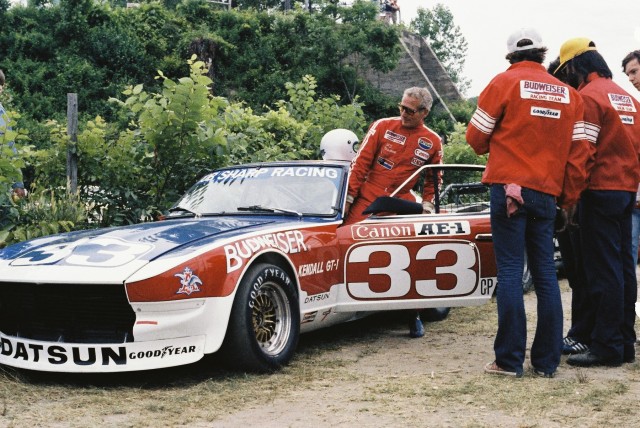
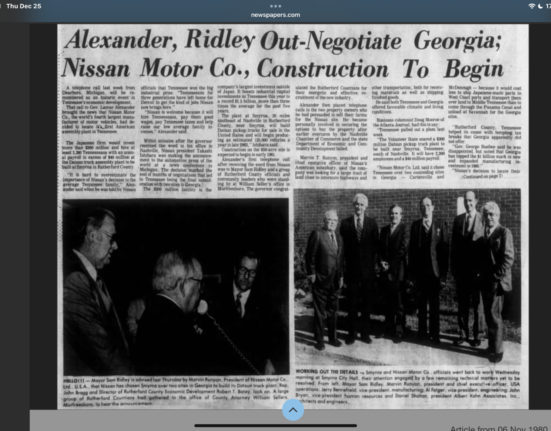
Nissan built upon its successes of the 1970s—both in the showrooms and on the racetrack. Nissan Motor Manufacturing Corporation (NMMC) was established in Smyrna, Tennessee, to fulfill the growing demand for Nissan vehicles. In 1989, Nissan produced the 1-millionth vehicle on American soil. On the track, Hollywood legend Paul Newman captured Nissan’s 50th national SCCA championship following consecutive wins in 1985 and 1986 with the Newman/Sharp Trans-Am 300ZX®.
Four-Door Sports Car is Born (1981)
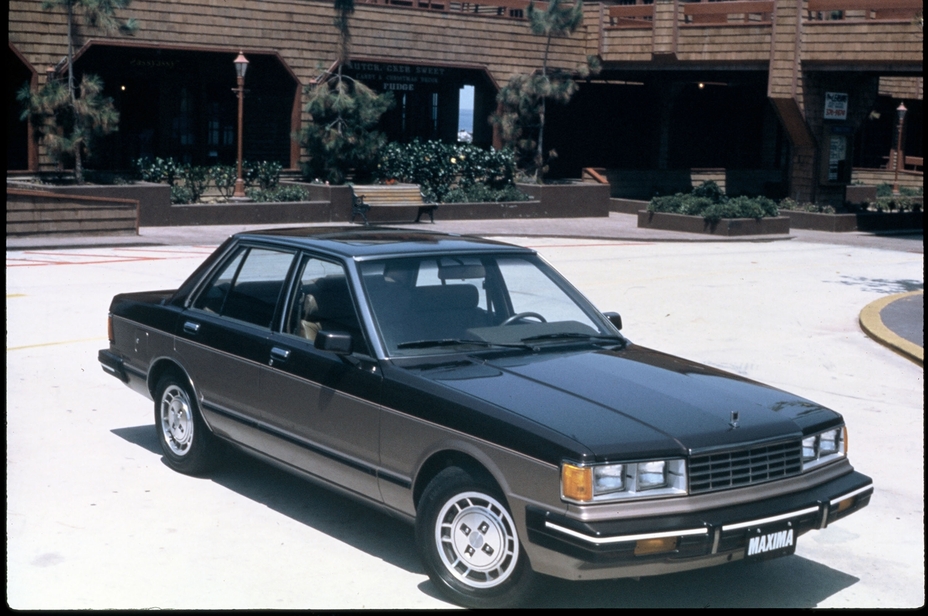
The first-generation Nissan Maxima was introduced as the successor to the Datsun 810 sedan. Equipped with an inline-6 engine from the 240Z, this was no ordinary sedan, and the Maxima cemented its four-door sports car status for decades to come.
Championship Off-Road Racing Trucks (1982)
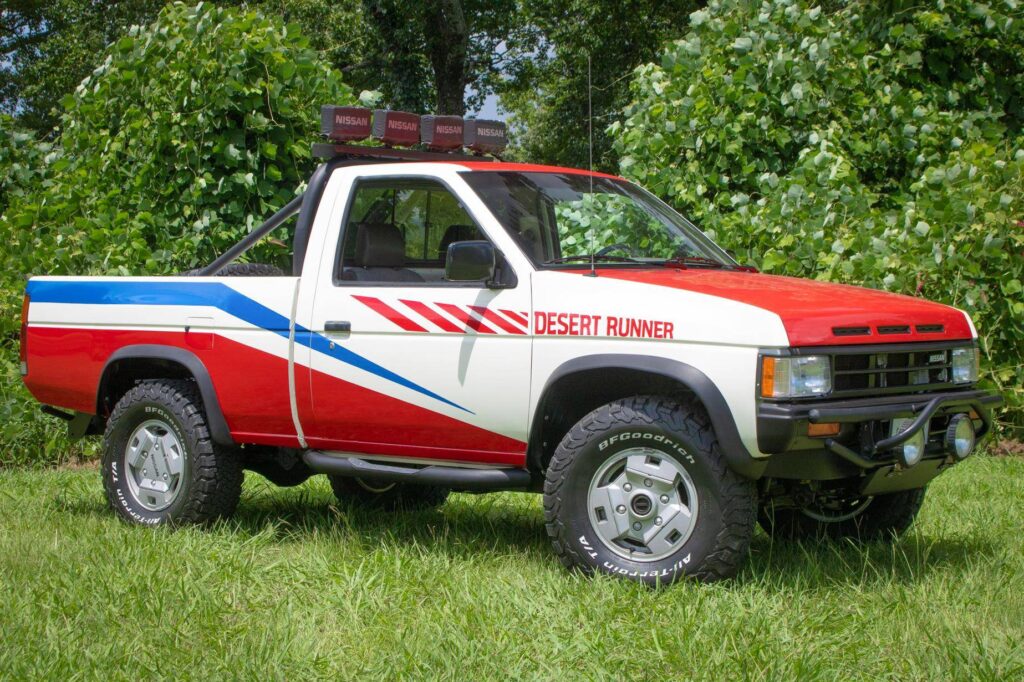
Between 1982 and 1992, Datsun collected an impressive 19 off-roading championship trophies. The most radical off-roader—a sandblasting 380-hp King Cab desert racer—competed in the HRDA/SCORE Class 1 Unlimited Vehicle series.
First American-Built Nissan Truck (1983)
The marketing of vehicles using Nissan badging in the U.S. began with the production of the 1984 Nissan pickup on June 16, 1983, at the new assembly plant in Smyrna, Tennessee. Early models carried dual Datsun-Nissan branding to help consumers make the transition.
First Sentra Built in America (1985)
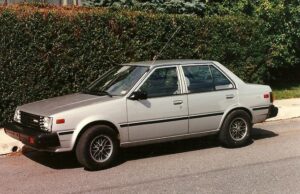
The first-generation Nissan Sentra was introduced in 1982 as a replacement for the popular and economical B210. It was so popular in the U.S. that in 1985, Sentra became the second Nissan model to roll off the line in Smyrna, Tennessee.
The Stellar Nissan Racing Record (1988)
Nissan racing driver Geoff Brabham won his first of four consecutive IMSA Camel GT Driver’s Championships. Brabham’s IMSA GTP ZX-T car was practically unbeatable that year, clocking a breathtaking top speed of 200+ miles per hour on several tracks and winning eight consecutive races.
1990-1999: Leaping Into Green Tech
In 1991, Nissan received its first environmental award from the EPA and took a big leap forward in green technology by lending its Alternative Fuel Vehicle to a California testing program and introducing the Future Electric Vehicle concept car. In 1997, Nissan was named “Best of the Best” by the Environmental Protection Agency. In 1992, the company marked the sale of the 2-millionth Nissan Sentra in the United States.
First Altima Assembled in America (1993)
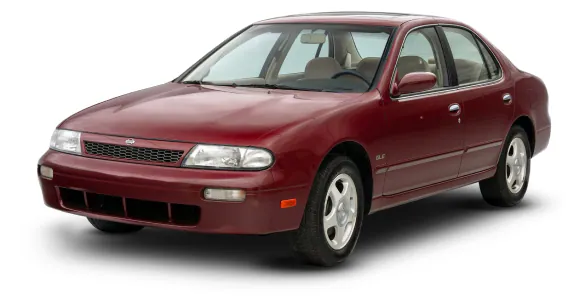
The Nissan Altima was introduced to replace the discontinued Stanza line. U.S. assembled in Smyrna, Tennessee, it made an immediate impact in the mid-size sedan segment, which continues today.
Compact Without Compromise (1995)
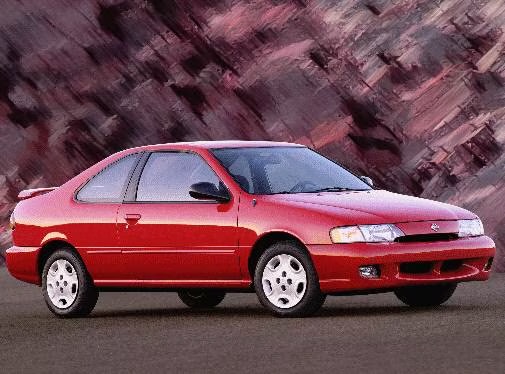
1995 was the year Nissan introduced the world to the all-new 200SX® coupe and the all-new 4th-generation Sentra.
The First Four-Door Compact Truck (1999)
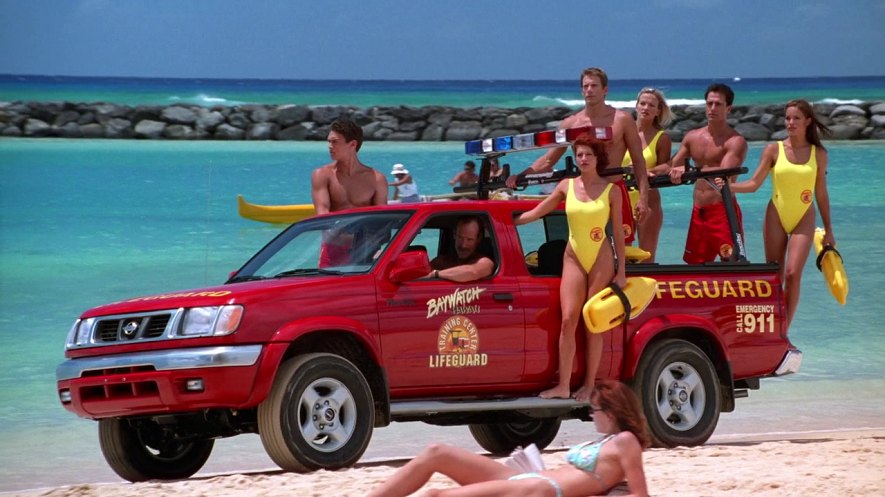
In 1999, Nissan introduced the Frontier® Crew Cab, the first compact truck with four full-sized doors. That same year, Frontier, Xterra®, and Pathfinder® were named the official vehicles of the Los Angeles County lifeguards, which made many appearances in the T.V. show “Baywatch.”
2000-2009: 21st-Century Thrills
Nissan nearly doubled the number of models offered and nearly doubled its sales during this decade. The diverse lineup grew to include the first full-size Nissan truck, along with all-new hybrid technology and a 21st-century supercar.
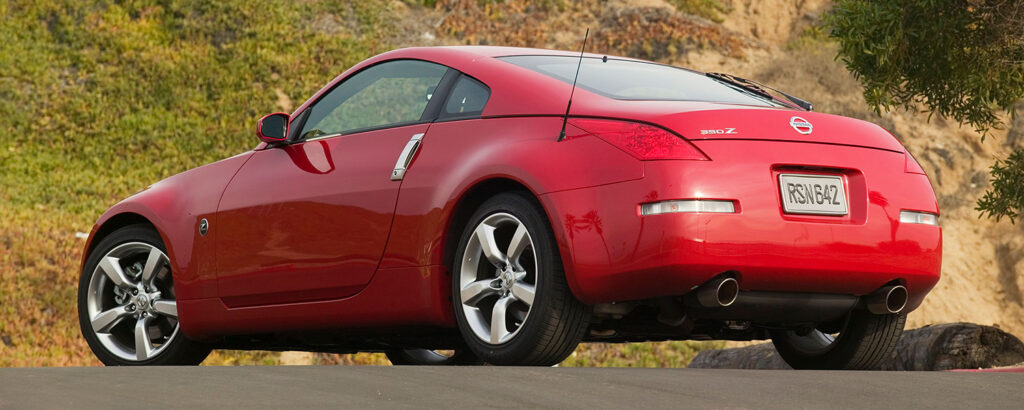
Z Resurrected (2003)
The Nissan 350Z, a two-door, two-seater sports car, kicked off production in 2002 and ended the 6-year production hiatus in the U.S. Its sleek redesign of the 240Z DNA rejuvenated Nissan’s market presence throughout the decade.
Off-Road Innovation (2005)
An all-new midsize Frontier® was launched with the most powerful V6 in its class. Nissan also introduced a mid-sized Pathfinder® with an added 3rd-row of seating, and the 2nd-generation Xterra® made its debut.
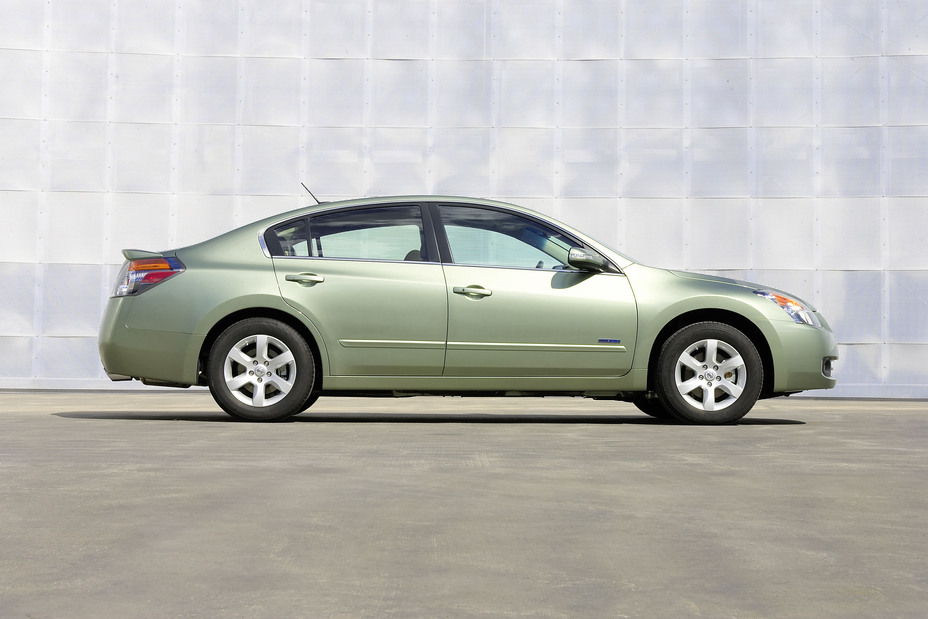
Nissan’s First Hybrid (2007)
In 2007, Nissan offered a hybrid driving option for the first time ever with the introduction of the all-new Altima® Hybrid.
The Legend Lands (2009)
Nissan brought its legendary GT-R to the U.S. as an affordable supercar. With amazing acceleration, all-wheel drive, aggressive handling, and bold styling, it has become an icon in the U.S. sports car market.
The Shape of Things (2009)
The boxy yet stylish Nissan Cube® made its North American debut with its non-traditional, asymmetrical body.
2010-2020: The Dawn of Nissan Electrification
Nissan helped lead the automotive industry into the age of electric vehicles when it debuted the all-electric Nissan LEAF®. Throughout the decade, the company continued its tradition of innovation with all-new vehicles like the Nissan Kicks and safety technology like its available Safety Shield® 360 suite of features.
Nissan LEAF (2010)
In 2010, Nissan introduced Nissan LEAF®—the world’s first mass-produced, 100% electric, zero tailpipe emission automobile. The standard 24-kWh battery was replaced with a 30-kWh battery for 2016, featuring an EPA estimated 107 miles of range. The 2018 LEAF introduced an all-new design and a 40-kWh battery that took range up to an EPA-estimated 151 miles. In 2019, LEAF PLUS added an available 60-kWh battery, estimated by EPA to offer up to 226 miles of range.
Nissan Kicks: The Crossover of Self Expression (2018)
Nissan Kicks offers a bundle of technology and functionality at an attractive MSRP. It’s a one-of-a-kind crossover that’s big on attitude and self-expression, demanding attention with dynamic styling, nimble performance, and an optional Safety Shield 360 for a suite of safety tech.
Nissan Altima: All-Wheel Drive Sedan (2019)
Continuing the Altima tradition of innovation in the sedan market, the Nissan Altima with an available Intelligent All-Wheel Drive system was made available for the first time.
2021-Present: The New Era of Innovation and Excitement
Nissan’s storied history has spanned more than 90 years, but it is just getting started. From electrification to the latest generation of Nissan capability in trucks, SUVs, and sports cars, the latest chapter is unfolding now.
Coming Fall 2025: The All-New All-Electric 2026 Nissan LEAF®
Easier. Smarter. And WAY COOLER. Nissan’s all-new 100% electric crossover is designed to help simplify and elevate your electric lifestyle.
A Look Ahead
Since the beginning, Nissan’s history is one of innovation without reservation and a willingness to do what others don’t dare to do. Nissan has an impressive track record of innovations, one that has greatly impacted the auto industry and the lives of drivers worldwide.
The Smyrna, Tennessee Legacy
The Smyrna, Tennessee manufacturing facility represents a pivotal chapter in Nissan’s American story. Opening in 1983 with the production of the Nissan pickup truck, the plant has grown to become one of Nissan’s largest and most important facilities in North America. From producing the first American-built Sentra in 1985 to assembling the beloved Altima starting in 1993, Smyrna has been at the heart of Nissan’s commitment to American manufacturing. By 1989, the facility had already produced its 1-millionth vehicle on American soil—a testament to both the quality of Nissan vehicles and the skill of Tennessee workers. Today, the Smyrna plant continues to be a cornerstone of Nissan’s North American operations, producing multiple vehicle lines and employing thousands of workers in the community.
—
*From humble beginnings in 1911 Tokyo to becoming a global automotive leader with major manufacturing in Smyrna, Tennessee, Nissan’s journey is a testament to innovation, performance, and the relentless pursuit of excellence.*