The Tip Trap and the Pricing Squeeze: Corporate Accountability When Advocacy Strikes Back
TL;DR: Shake Shack’s “no tip” fee and Kroger’s dynamic pricing practices face organized opposition from consumer advocacy groups, but without federal regulation or enforcement, corporate claims of “lowering prices” mask systemic opacity that disproportionately harms working families.
The Shake Shack Incident: Testing Consumer Tolerance
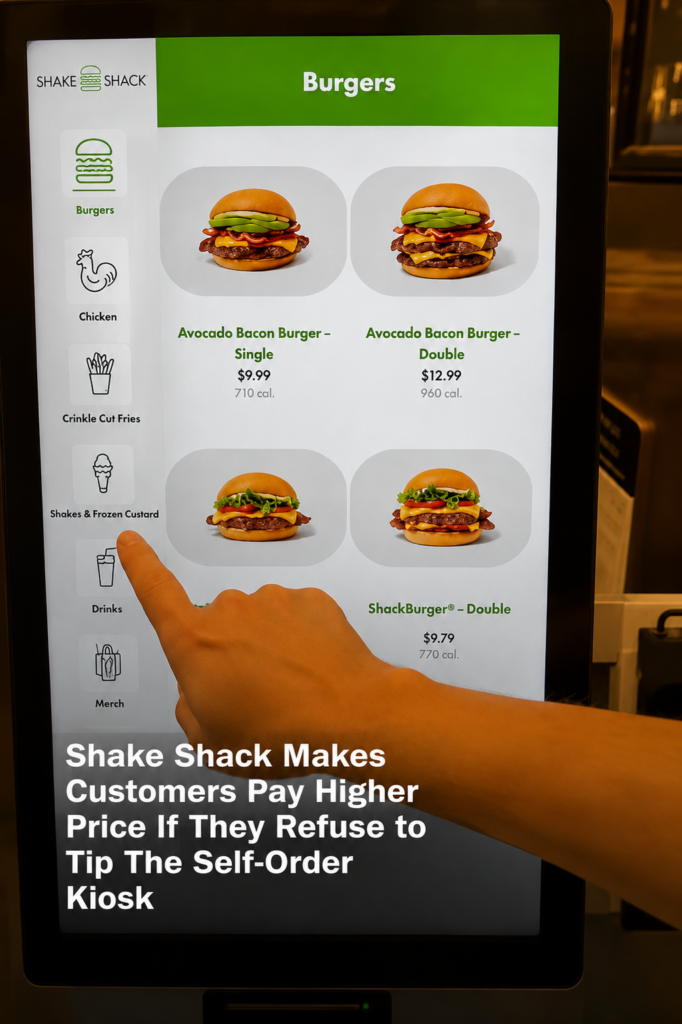
TikTok creator B.D. Powell went viral after recording himself at a Shake Shack kiosk in Salt Lake City’s airport. When he selected “no tip,” the system allegedly charged an additional surcharge.
Shake Shack’s response was swift: it was a glitch.
The company promised a fix and offered refunds, but the incident exposed a pattern. Whether intentional or automated, the effect was identical: customers faced a financial penalty for not voluntarily adding gratuity. This inverts the social contract around tipping and represents a form of coercive pricing disguised as a system error.
Kroger’s Dynamic Pricing: Where Advocacy is Pushing Back
While Shake Shack handled a single viral moment, Kroger faces organized opposition over a more systemic pricing practice: dynamic pricing.
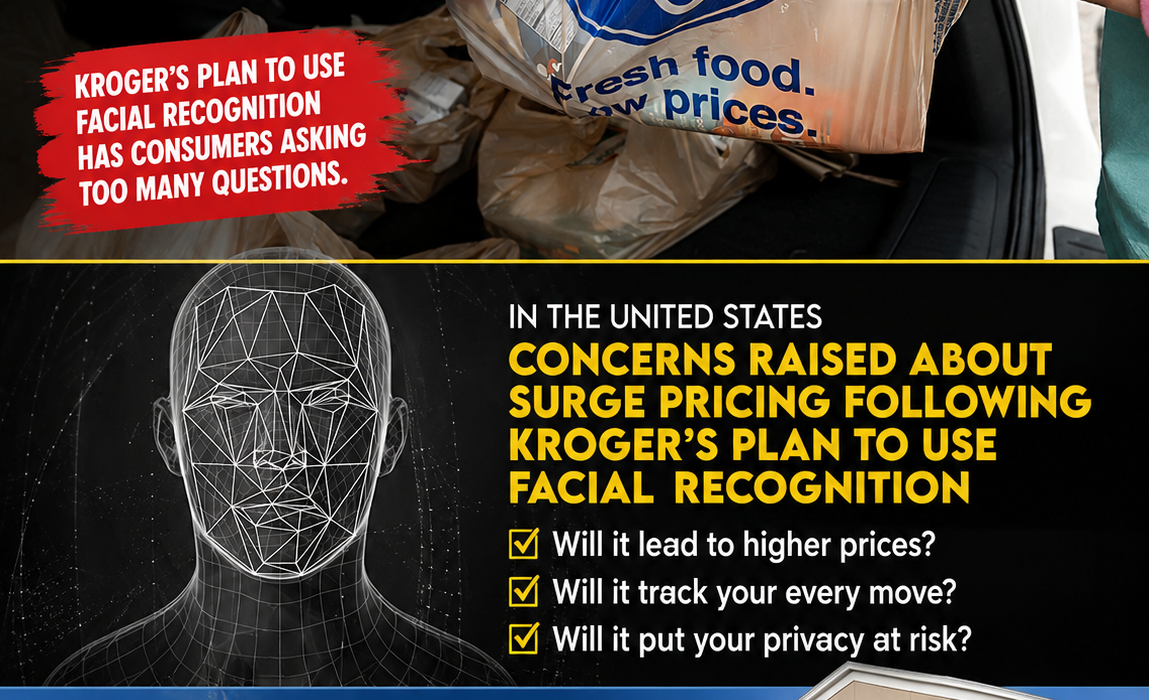
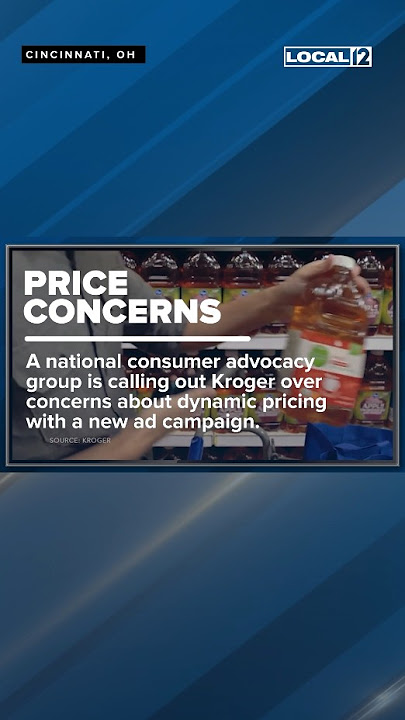
According to Super Market News, the Center for Responsible Food Business has launched a direct advocacy campaign against Kroger, accusing the Cincinnati-based retailer of taking advantage of shoppers through dynamic pricing capabilities. The organization is running ads featuring a single mother who abandoned Kroger because the company “raises prices” and “takes advantage of working families.”
The nonprofit has also created a dedicated website at krogerhurtsfamilies.com to consolidate consumer concerns and organize opposition.
Kroger’s Position:
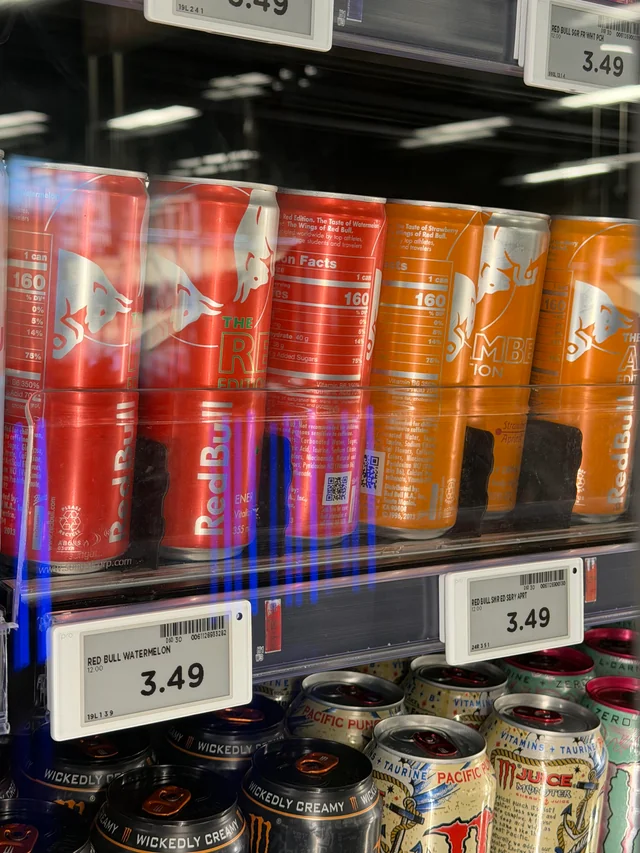
In a statement to Super Market News, Kroger denied engaging in dynamic pricing. However, Taylor Warren, president of the Center for Responsible Food Business, argues that Kroger has the technological capability to implement dynamic pricing through its digital shelf tag system, which can change prices based on factors like availability and extreme weather conditions.
The distinction is crucial: Kroger claims it doesn’t use dynamic pricing. Advocates argue the capability exists and the company could activate it at any moment, with consumers having no way to verify the claim.
The Evidence: What Data Actually Shows
The advocacy narrative has legislative backing. In 2024, Senator Elizabeth Warren (D-Mass.) publicly grilled Kroger executives about dynamic pricing during a hearing, signaling that the issue has entered mainstream political scrutiny.
But here’s where the narrative becomes more complex: A March report by proxy service provider Decodo claimed that grocery retailers do engage in dynamic pricing, but in most cases they lower prices rather than raise them, contrary to the consumer advocacy framing.
This data point creates strategic tension:
•If Kroger lowers prices using dynamic algorithms, the advocacy narrative shifts (consumers are benefiting)
•If Decodo’s findings are accurate but incomplete (lowering in some categories, raising in others), the full picture remains obscured
•If Decodo’s methodology has limitations, the report’s credibility is questionable
The core problem remains: Consumers cannot independently verify which prices are dynamic, how algorithms decide pricing, or whether they’re experiencing price discrimination based on shopping patterns, location, or time of day.
Regulatory Movement: The Only Brake on Corporate Behavior
Advocacy groups alone haven’t moved Kroger. Regulation is beginning to.
Maryland is currently the only state that bans surveillance pricing in grocery stores. New Jersey’s Legislature has sent a measure to Governor Mikie Sherrill to ban the practice. Other states are actively considering similar bills.
This regulatory pressure appears to be working. In May 2024, Kroger announced it would lower prices on thousands of items, with CEO Greg Foran stating the company would test reductions before rolling them out more broadly and phasing them into stores.
The timing is notable: Kroger’s price reduction announcement followed mounting regulatory scrutiny and advocacy pressure. Whether this represents genuine consumer-friendly action or strategic messaging to preempt regulation remains an open question.
Kroger’s Cost-Cutting Strategy: The Fine Print
Kroger claims it will fund price reductions through internal efficiency gains, not margin compression:
•Using technology more effectively (which could include optimizing dynamic pricing algorithms)
•Reducing internal expenses across the organization
This creates a structural contradiction: Kroger promises lower prices while simultaneously investing in the technological infrastructure that enables dynamic pricing. If the goal is transparency and fair pricing, why maintain and expand capability for algorithmic price manipulation?
The answer suggests that Kroger views dynamic pricing as a tool to optimize revenue, not a practice to abandon. Price reductions in some categories may fund price increases in others, or prices may drop temporarily to build goodwill before quietly returning to higher levels.
The Pattern: Corporate Response to Accountability
Both Shake Shack and Kroger follow the same escalation model:
1.Implement opaque pricing practices (surcharges for declining tips; dynamic algorithms)
2.Deny or minimize when exposed (Shake Shack claims a glitch; Kroger denies using dynamic pricing despite capability)
4.Retain institutional optionality (the technology remains in place for future use)
Corporate accountability only moves the needle when advocates, regulators, and consumers apply simultaneous pressure. Kroger’s price reduction response proves this mechanism works, but only when activated by external threat.
What Consumers and Advocates Should Do Now
For individual consumers:
•Screenshot or record transactions that seem irregular
•Request itemized receipts and compare prices across store locations and times
•Check app prices against in-store prices in real-time
•Report unexplained charges to credit card companies (dispute if warranted)
For advocacy groups:
•Demand algorithmic transparency: force Kroger to publicly disclose how prices are set and changed
•Push for federal legislation (Maryland and New Jersey models are templates)
•Expand campaigns to other retailers using digital shelf tags
For regulators:
•Require disclosure of dynamic pricing algorithms before implementation
•Mandate that price changes be visible to consumers at point of purchase
•Audit retailers’ pricing practices for discrimination patterns
•Support federal legislation modeled on state-level bans
The Accountability Gap Narrowing (Slightly)
Unlike Shake Shack, which faced no regulatory consequence, Kroger is experiencing real pressure from organized advocacy and legislative action. The Center for Responsible Food Business’s campaign is working because it:
1.Names the practice specifically (dynamic pricing)
2.Connects it to consumer harm (single mother’s story)
4.Aligns with regulatory momentum (state bans under consideration)
This is how accountability actually works: persistent, organized, visible pressure from multiple directions simultaneously.
The Remaining Question
Kroger’s promise to lower prices is meaningful only if:
•Price reductions persist over time (not temporary marketing)
•Reductions apply across product categories, not just loss leaders
•The company commits to transparency about algorithmic pricing
•Regulation bans surveillance pricing entirely, making the capability irrelevant
Until those conditions are met, Kroger’s announcement is a strategic retreat, not a genuine shift in philosophy.
The Center for Responsible Food Business is correct to remain skeptical and maintain pressure. Corporate pricing behavior changes only when the cost of opacity exceeds the benefit of opaque behavior.
For working families reading this: Is the pressure from advocacy groups changing your shopping behavior, or are price increases still forcing you to switch retailers?
Sources: Super Market News, Center for Responsible Food Business (krogerhurtsfamilies.com), Decodo proxy service report (March 2024), Senator Elizabeth Warren’s Kroger hearing (2024), Maryland dynamic pricing ban, New Jersey legislative measure, Kroger CEO Greg Foran statement (May 2024).