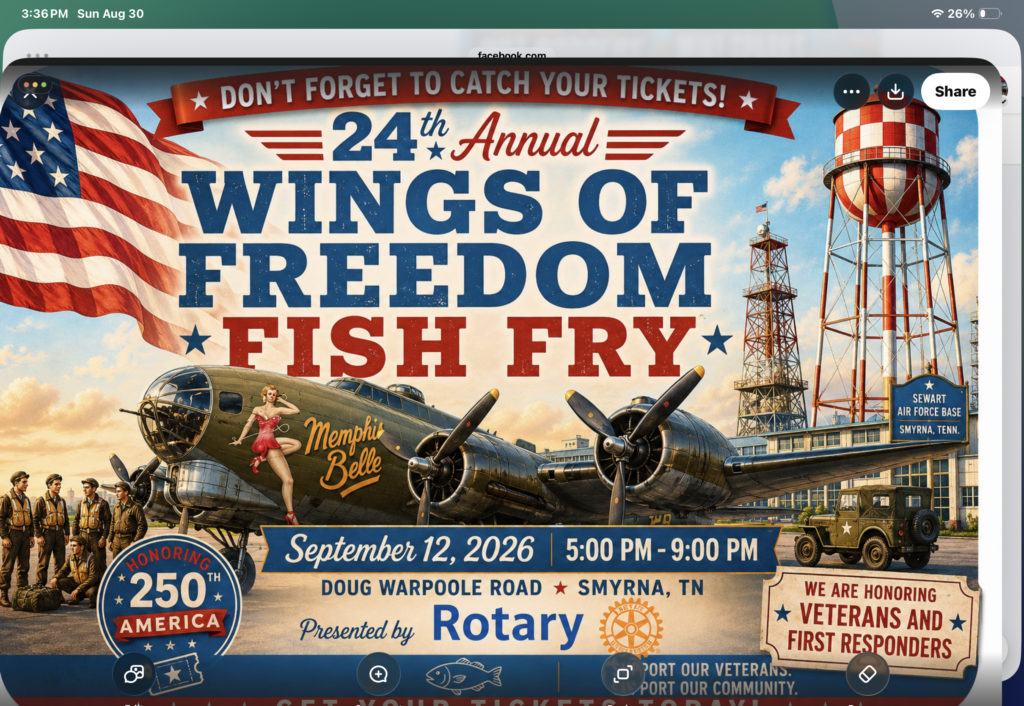
Reminder! The 24th Smyrna Rotary Wings of Freedom Fish Fry is this Saturday SEpt 12th, 2026 5-9pm at Smyrna Airport off Doug Warpoole Road.
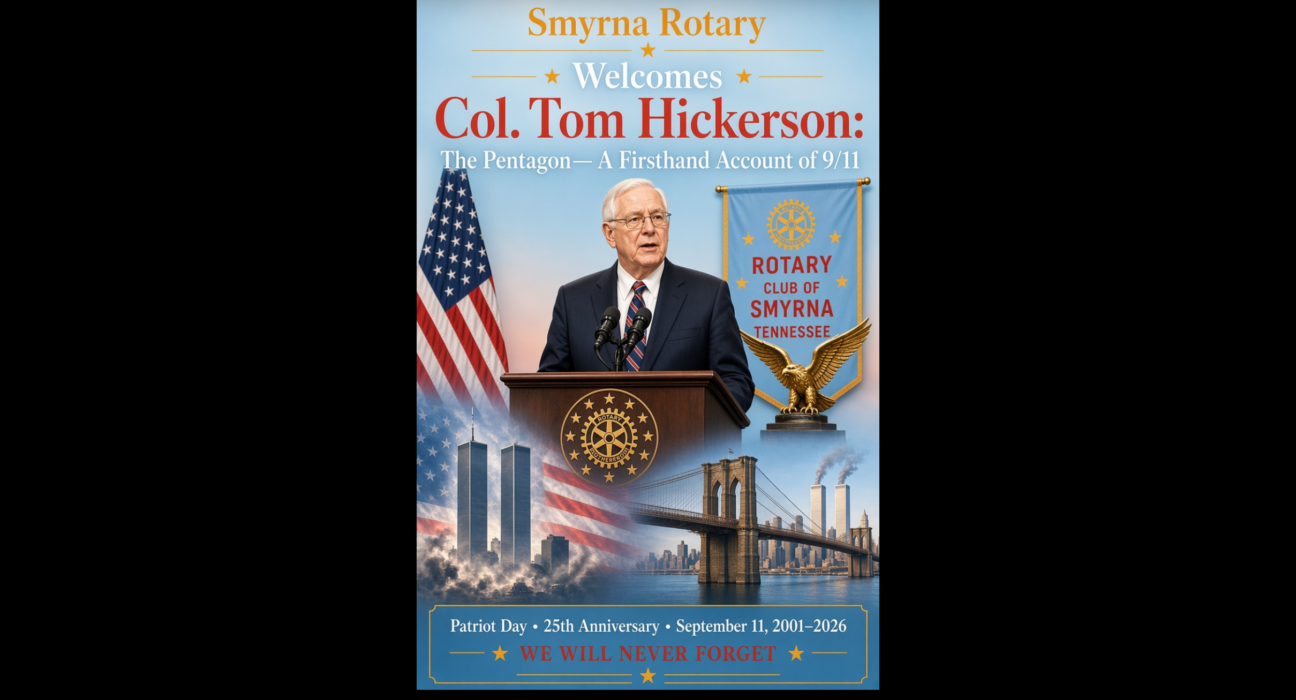
Inside the Pentagon: Colonel Tom Hickerson’s Account of September 11, 2001
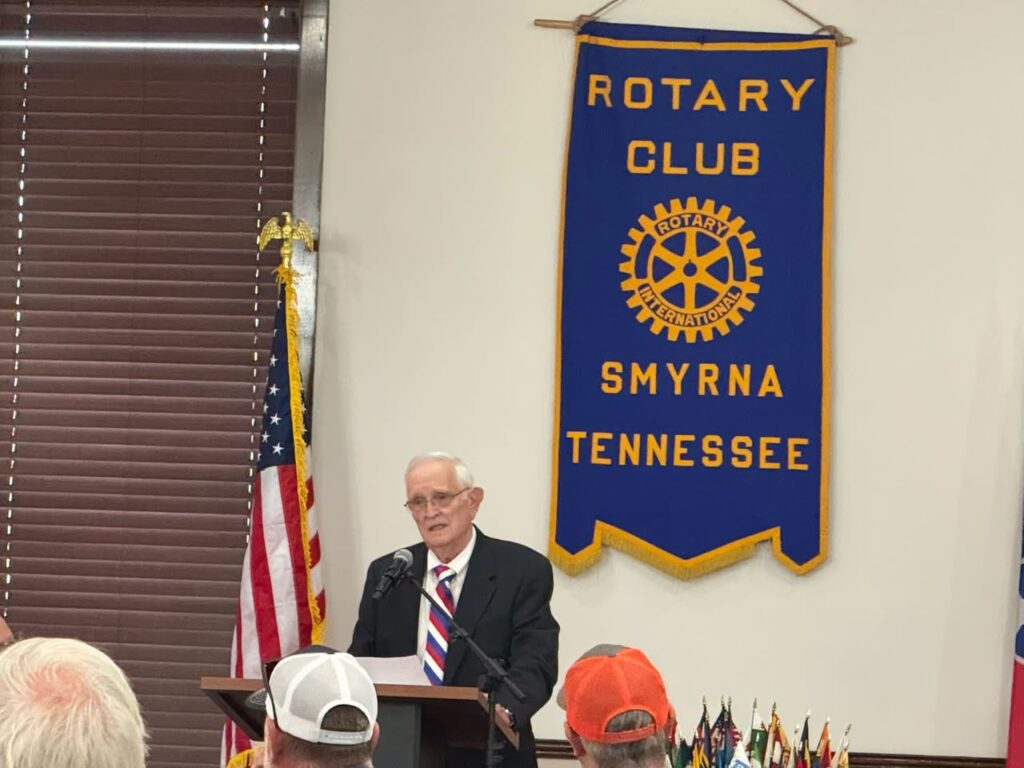
Thank you Colonel Tom Hickerson for speaking at Smyrna Rotary Club today.
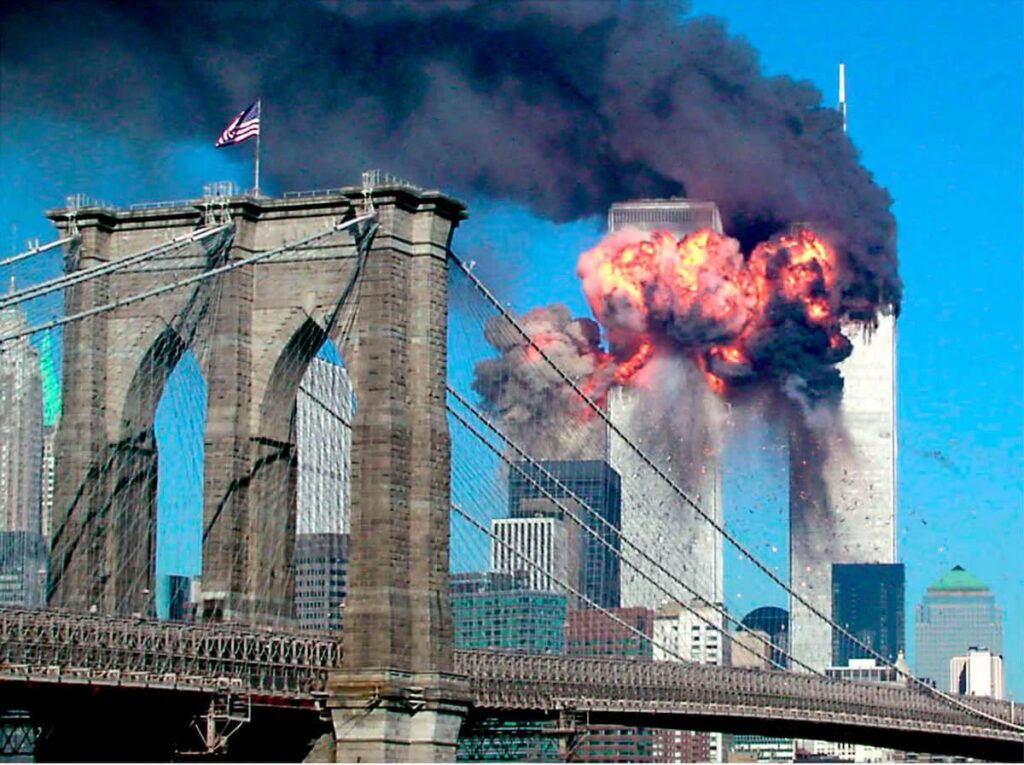
Twenty-five years have passed since Flight 77 struck the Pentagon on September 11, 2001. For most Americans, that day remains a watershed moment in national memory. But for retired United States Air Force Colonel Thomas Hickerson, it was something more immediate and visceral: a crisis unfolding in real time beneath the nation’s military headquarters.
Col. Hickerson, a 2021 Cyber Space Operations Hall of Fame inductee, was managing the Pentagon’s backbone communications when the attack occurred. His firsthand account offers more than tactical detail. It reveals the human dimensions of duty, the split-second decisions that shaped the aftermath, and the quiet heroism of those who stayed at their posts.
In the basement of the Pentagon the attack wasn’t felt Col. Hickerson witnessed the immediate confusion and made a decision that would define his role in the hours that followed: remain inside a burning building to ensure America’s military command structure stayed online.
The stakes were absolute. With critical command networks teetering on the edge of collapse, a core team of unsung heroes worked to keep the system functional. Their work happened largely out of public view, overshadowed by the more visible scenes of rescue and recovery.
Keeping Command and Control Alive
The logistical challenge was immense. In an active crime scene, with the building compromised and infrastructure damaged, Col. Hickerson’s team faced the daunting task of securing data servers and establishing emergency operations. Every decision mattered. Every delay risked cascading failures in the military’s ability to respond to the unfolding national crisis.
His account illuminates the hidden infrastructure of national defense: the power plant operators keeping systems running, the civilian contractors troubleshooting networks under pressure, the everyday professionals whose names are rarely remembered but whose work proved essential.
Beyond the Tactical Response
What emerges from Col. Hickerson’s recollection is a portrait of leadership under the most extreme conditions. In the immediate aftermath, as teams worked to restore normal operations within an active crime scene, a deeper story of American resilience took shape.
His reflections touch on military readiness and the logistical hurdles of crisis response. But they also capture something more elusive: the profound unity that defined the nation in September 2001. That unity manifested in the dedication of soldiers and civilians alike, in the willingness to serve regardless of personal risk, in the recognition that something larger than individual safety was at stake.
A Historical Record
Col. Hickerson’s testimony serves as an essential firsthand account of September 11 from inside the Pentagon. It preserves details that might otherwise be lost: the immediate human response, the command decisions made under pressure, the tributes to unsung heroes whose names history did not record.
His story reminds us that national crises are managed not only by strategic decisions but by individuals who remain at their posts, who make hard choices in the moment, and who trust that their work matters to something beyond themselves.
What aspects of Col. Hickerson’s account would resonate most with your readers: the military/strategic dimension, the local Smyrna connection, the personal leadership lessons, or the broader theme of American resilience?