Sparks Media of TennesseeHistoryA great year to be here’: Acres around Stones River National Battlefield could be protected as site celebrates milestones
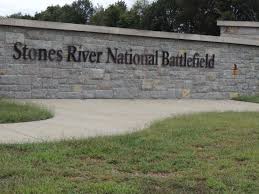
MURFREESBORO, Tenn. — Thanks to a nearly $4.8 million grant, an additional 37 acres of historically significant land could soon be protected at the Stones River National Battlefield.
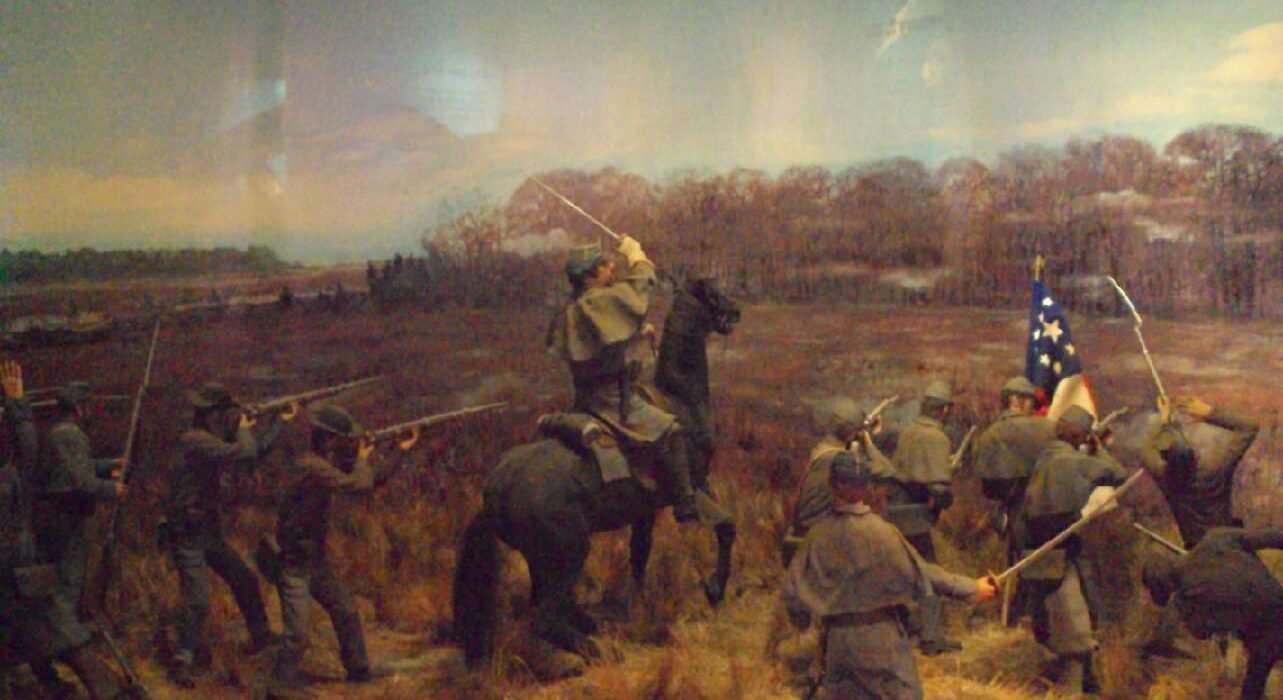
The site, associated with the Confederate attack on the Union right flank during the Battle of Stones River, is remembered for having the highest casualty percentage of any major engagement in the American Civil War.
The grant, facilitated through the American Battlefield Trust, would help preserve this key portion of the battlefield. However, the land would not automatically become part of the national battlefield.“[The land] could become part of the City of Murfreesboro; it could become part of other organizations,” said Ben Hayes, Superintendent of the Stones River National Battlefield. “It doesn’t automatically become part of the national battlefield. In fact, it’s up to Congress — what our boundaries are.”
Hayes noted that the timing is especially meaningful, as the Stones River National Battlefield is preparing to celebrate the 100th anniversary of the site becoming federally protected land.
“It’s a great year to be here,” Hayes added. “We encourage everyone to visit not just Stones River National Battlefield, but to all of these historic places from the Revolutionary War history here in Rutherford County all the way through Civil Rights history.”
As part of the U.S. semiquincentennial (America 250) celebration this year, the battlefield is partnering with several Rutherford County organizations to launch a passport program. The initiative aims to encourage visitors to explore multiple historic sites across the county.
In addition, the battlefield is highlighting the sacrifices of those who served through its “Stories of Service and Sacrifice” campaign, which will share 250 individual stories of men and women buried at the Stones River National Cemetery.
“We have over 7,000 veterans laid to rest in the national cemetery and 250 is just so few of the many, many stories,” Hayes said. “So we’re absolutely looking for any families and friends who know some of the stories of the veterans buried there.”