Rediscovering History: A Tour of Old Jefferson and the Trail of Tears
Tucked away in the woods of the East Fork Recreation Area in northern Rutherford County lies one of Tennessee’s most quietly powerful historic sites — the remnants of Old Jefferson.
Once the original county seat, Old Jefferson was long believed to be lost beneath the waters of J. Percy Priest Lake. Recent exploration has revealed that much of the town — and an important section of the Trail of Tears that once passed through it — remains high and dry.
Last Saturday’s Tour of Old Jefferson drew roughly 60 participants eager to reconnect with the area’s past. The event was organized by Rodger Thomas, Vice Chairman of the Smyrna Historical Zoning Board, and local historian Toby Francis, both natives of the Old Jefferson community who have spent years preserving its history. Together, they guided visitors along shaded forest paths lined with remnants of stone walls and the cracked outlines of old streets — visible reminders of the town that once thrived there.
Helping welcome visitors was Angie Gill, who assisted with registration and helped manage the event tent throughout the morning. Among the group were a Rutherford County Commissioner who has ridden his horse along the old Jefferson road for many years, a local history enthusiast and Smyrna’s first female councilwoman who once attended the Old Jefferson School, and many descendants of the town’s original families. Smyrna Councilman Steve Sullivan and Town Manager David Santucci also joined the walking portion of the tour, exploring the same old road that once served as a segment of the Trail of Tears.
Also present to support the event and share insights into Smyrna’s interconnected local history was Smyrna Historian Gary Leffew, a member of the historic Sam Davis Lodge and author of the book Freemasons That Built the Town of Smyrna (1869-1881), which documents the influential role of Freemasons in shaping the early development of Smyrna following the Civil War.
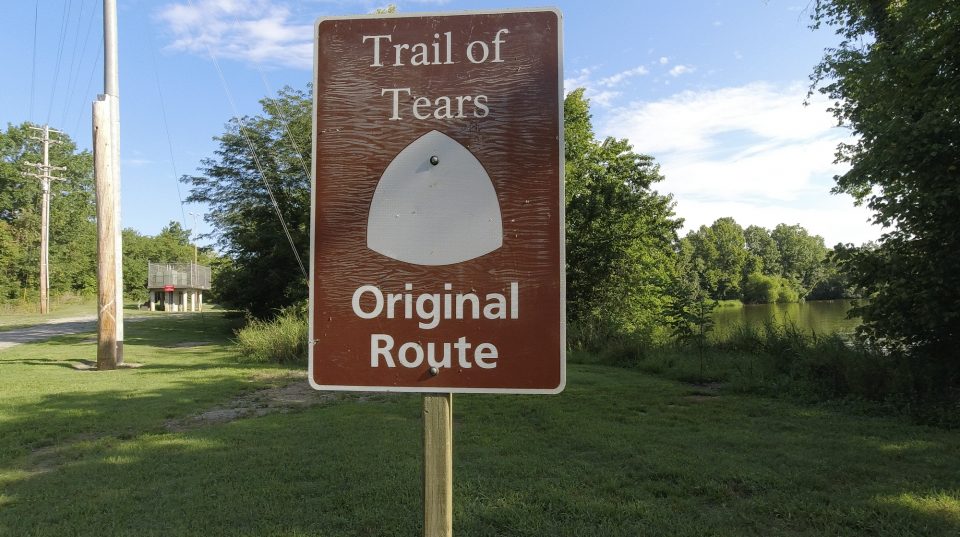
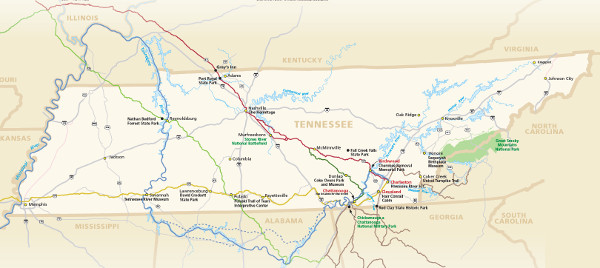
The tour carried a solemn but inspiring tone as organizers shared new evidence suggesting that Jefferson sat along an alternative route taken by Cherokee detachments in the 1830s during their forced removal to present-day Oklahoma. Historical records indicate that this route allowed travelers to avoid toll roads, underscoring the strategic and emotional significance of the area.
Representatives from multiple agencies and institutions are taking note. The U.S. Army Corps of Engineers and the National Park Service are reviewing documentation to verify the site’s historical connection, while a historian from the Tennessee Department of Environment and Conservation (TDEC) attended the event to observe and support ongoing preservation discussions. Officials with the Trail of Tears National Historic Trail have called the findings “an exciting opportunity” to enhance public understanding and are considering the placement of interpretive markers.
Francis, who grew up in Jefferson before the formation of Percy Priest Lake, couldn’t help but reflect on the persistence of the town’s story. “I walked from east to west, and my shoes never got wet,” he said — a statement proving that much of Jefferson was never submerged, despite long-held assumptions.
Experts at Middle Tennessee State University’s Center for Historic Preservation have confirmed that early maps and travel records appear consistent with the site, describing it as an important rediscovery for Rutherford County’s cultural landscape.
Today, the area sits within the East Fork Recreation Area, where hiking trails trace the line of the old road. Future plans call for additional research, educational signage, and historical interpretation — ensuring that Old Jefferson’s place in the narrative of the Trail of Tears is preserved for future generations.
As one attendee noted while standing on the ancient route, “Here, you’re not just seeing history — you’re walking through it.”