
Editor’s Note: Yesterday, I called to check on my former legislative assistant, Marvin. He is currently attending the Nashville School of Law and working for the Tennessee Administrative Office of the Courts (AOC). Felicia and I are very proud of him and consider him part of our family.
I often ask him, “Have you gone to Memphis to visit your family?” He’ll respond, “No, I’m just way too busy with work and law school. You’ve always told me I have to work hard to make it all happen, and in another year I’ll be graduating.” I replied, “You need to find that balance. I’m not trying to get into your business, but you may want to slow down every now and then and take time for yourself and your family.”
After our conversation, I thought of the poem “The Seven Ages of Man,” a true reflection of life. I was once his age and stayed busy myself, but I always made time to visit my mother and stepfather, Dr. William “Bill” Chance. My father and I had a falling out when I was Marvin’s age. Thankfully, the good Lord healed that relationship—sadly, only on his deathbed at StoneCrest Hospital.




The Nashville School of Law did a feature story of Marvin in their newsletter.
____________________________________________________________________
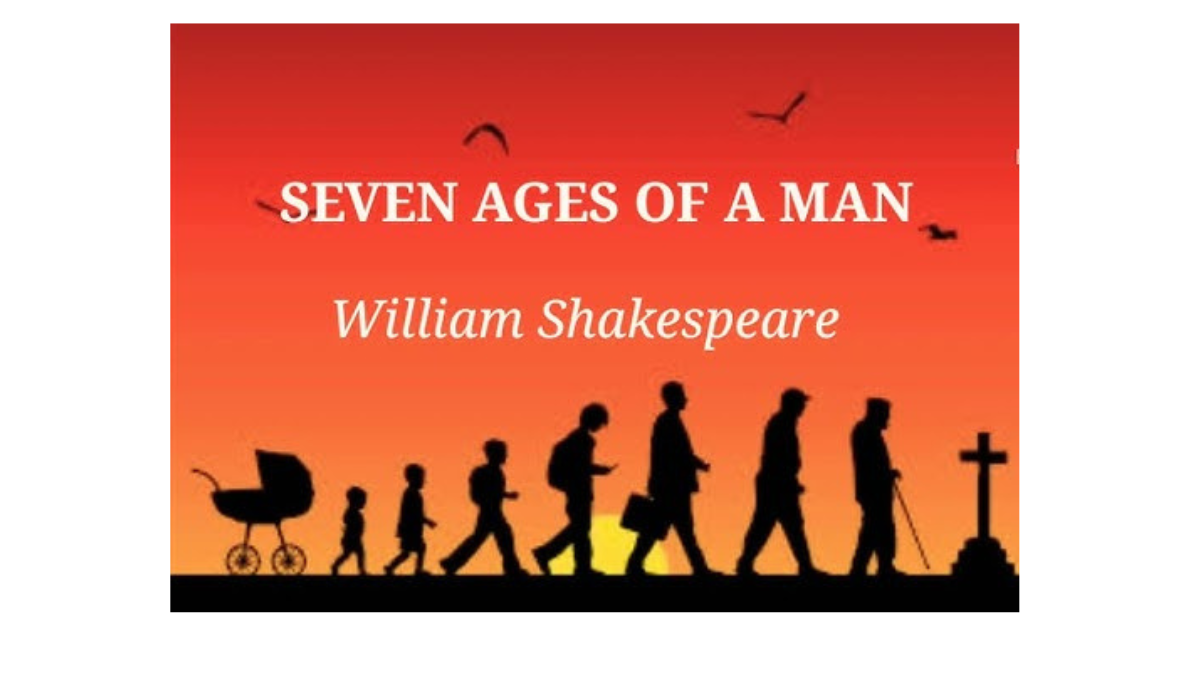
William Shakespeare’s “Seven Ages of Man”
What We Can Learn from Shakespeare’s “Seven Ages of Man”
William Shakespeare’s poem The Seven Ages of Man, spoken by the melancholy Jaques in As You Like It, is one of literature’s most powerful reflections on the universal journey of life. Through a vivid metaphor comparing the world to a stage and people to actors, Shakespeare captures both the beauty and inevitability of human growth and decline.
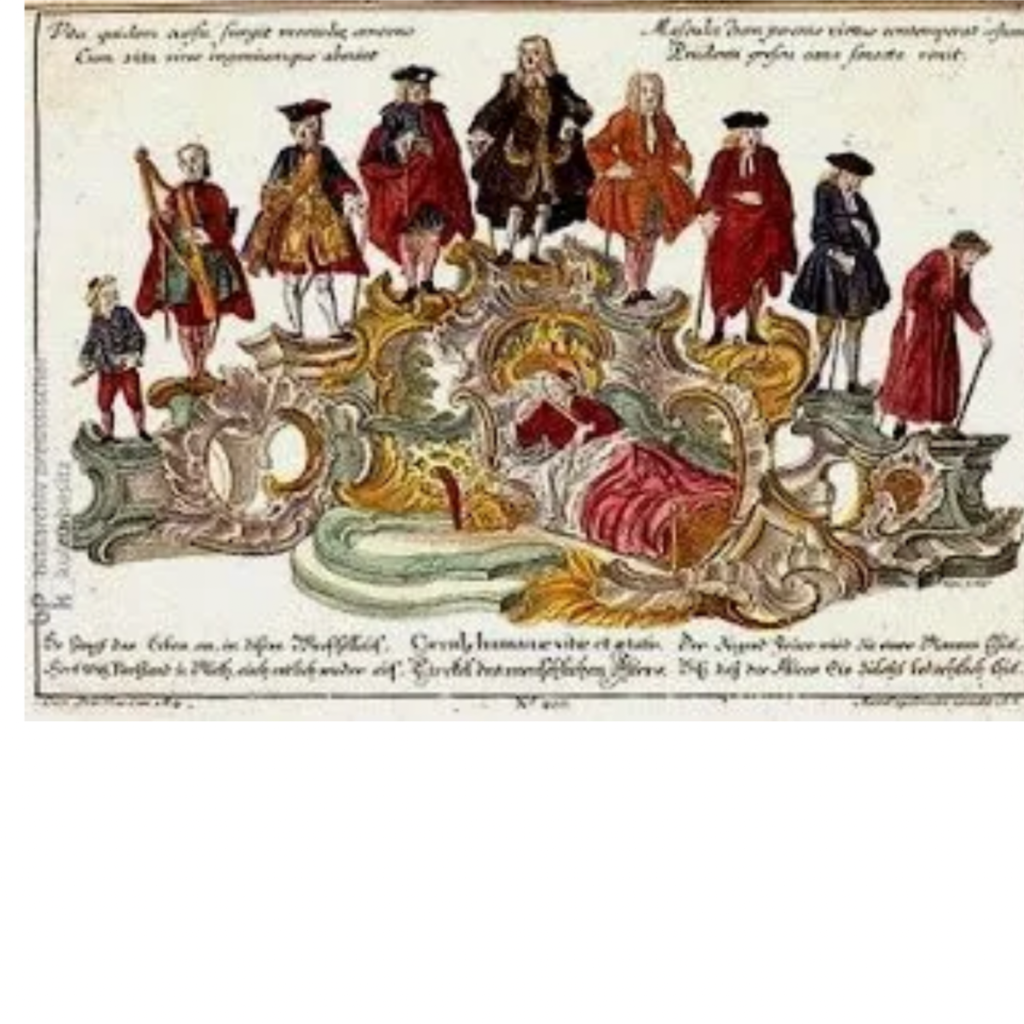
The poem divides life into seven stages: the infant, the schoolboy, the lover, the soldier, the justice, the old man, and finally, “second childishness” — a return to frailty before death. Each stage symbolizes not only a period of life but also the emotional, social, and psychological roles humans play as time progresses.
For example:
• The infant represents vulnerability, complete dependence, and innocence.
• The schoolboy embodies learning and struggle, capturing the tension between play and duty.
• The lover shows passion and youthful idealism, often guided more by emotion than reason.
• The soldier symbolizes ambition, pride, and courage — the drive to prove oneself.
• The justice stands for wisdom and moral judgment, reflecting maturity and social stability.
• The old man reveals the gradual loss of vitality and authority.
• The final stage, “second childishness,” brings the cycle full circle, reminding us of life’s transience and the inevitability of death.

