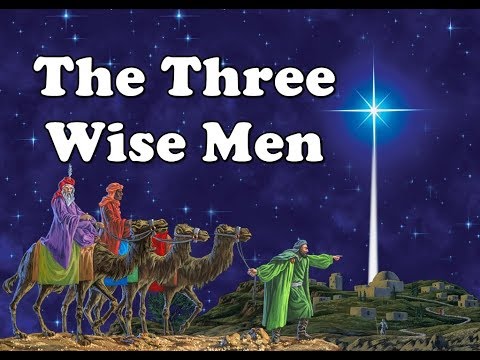
For centuries, the story of the “three wise men” — or Magi — traveling from the East to worship the newborn Jesus has fascinated believers and historians alike. Found only in Matthew 2, this account bridges the worlds of prophecy, astronomy, and ancient faith. But who were these travelers bearing gold, frankincense, and myrrh? The answer, rooted in history, may reach deep into the mountains of Kurdistan — homeland of the Kurdish people — and the ancient empire of the Medes.
The Kurds and the Land of the East
The Kurdish people, numbering over 25 million today, inhabit a mountainous region that spans parts of modern-day Iraq, Iran, Turkey, and Syria. Known as the land of “no friends but the mountains,” this rugged homeland has sheltered its people for thousands of years. The Kurds trace their lineage back to the Medes — an Indo-European people who once ruled a vast empire in the 7th century B.C., before joining with the Persians to overthrow the Babylonians.
This connection to the Medes is more than legend. Linguistic, cultural, and geographical evidence supports the view that the modern Kurds are the descendants of the Median tribes mentioned throughout the Old Testament. The prophet Isaiah even foretold that the Medes would be the instrument of God’s judgment on Babylon (Isaiah 13–14). And in Daniel 5, “Darius the Mede” is said to have received Babylon after the fall of Belshazzar — a momentous turning point in biblical and world history.
Zoroastrian Roots and the “Magi”
Among the Medes emerged a spiritual awakening through the teachings of Zoroaster, or Zarathustra, a prophet from the region that many scholars locate in ancient Kurdistan or nearby Persia. Zoroaster taught a monotheistic faith centered on Ahura Mazda, the wise and benevolent Creator. His followers came to be known as the “Magi” — a priestly caste who studied the stars, sought divine wisdom, and looked for the coming of a promised savior born of a virgin — “one who embodies truth” and would bring justice and light to the world.
The parallels between Zoroastrian prophecy and the Gospel accounts are striking. When Matthew writes that “wise men from the East” saw a star and came to worship the newborn “King of the Jews,” he may have been describing Zoroastrian Magi steeped in centuries-old messianic expectation. Their homeland — the mountains and plains of ancient Media — lay in the very direction Matthew calls “the East.”
The Star, the Journey, and the Promise
In their long journey from the highlands of Media to Bethlehem, the Magi fulfilled both prophecy and promise. They represented the nations coming to the light of the Messiah — a theme echoing through Isaiah 60: “Nations shall come to your light, and kings to the brightness of your rising.” Their gifts of gold, frankincense, and myrrh symbolized Christ’s kingship, deity, and sacrificial death — a foreshadowing of the Gospel’s ultimate purpose.
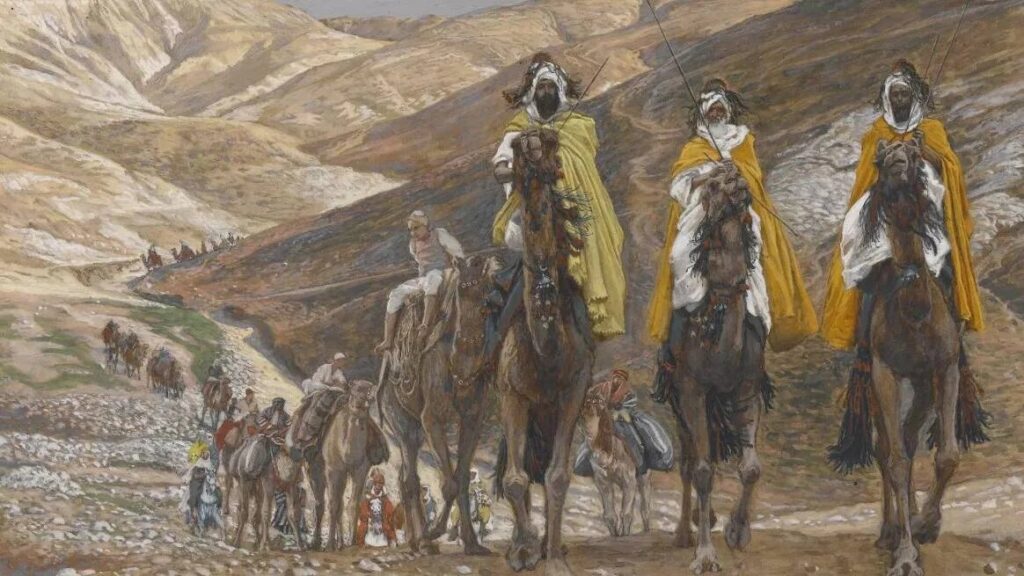
While Scripture gives few details about the travelers themselves, history and context make it plausible that these wise men came from the same region known today as Kurdistan. Their ancient faith, shaped by natural revelation and spiritual longing, may have prepared them to recognize the sign of heaven’s King.
Echoes Through Time
The story of the Magi reminds us that God’s purposes stretch across nations and generations. The mountains of Kurdistan — the land of the Medes — have witnessed much of human history, from Noah’s Ark on Ararat to the dawn of the Gospel. If the wise men were indeed ancient Kurds, their journey stands as a testament to faith that transcends geography, ethnicity, and even religion — faith that recognizes truth and humbly bows before it.