In today’s climate of escalating national challenges, one issue that rarely receives the attention it deserves is the shortage of school bus drivers. Many people do not view it as a true crisis—until the bus fails to arrive for their child or grandchild.
Roughly two and a half years ago, I introduced House Bill 1790 to lower Tennessee’s minimum age requirement for school bus drivers from 25 to 23. Tennessee currently maintains one of the most restrictive age requirements in the country. It should come as no surprise that we continue to face such a severe shortage. The Tennessee Department of Safety lobbied to change the state law to lower it to 23 after Johnthony Walker, the driver from the fatal 2016 Chattanooga school bus crash that killed six children, was later convicted of aggravated statutory rape in 2020 during a separate case. He served prison time for both the crash and the statutory rape conviction, and was later arrested on new domestic assault charges in Nashville. Folks—the man was later convicted of child rape. Once again I can’t make up the craziness of things I often see today. Mr. Walker faced multiple complaints from patents and even students and nothing was done to prevent such a horrific crime.
This is just one example of the kind of bureaucratic obstacles that make practical solutions harder than they need to be. As Ronald Reagan wisely observed, “In this present crisis, government is not the solution to our problem; government is the problem.”
Sometimes the simplest reforms—removing unnecessary barriers—are the ones that matter most.
Oddly enough, it was Governor Bill Lee’s administration that killed my school bus bill this year. It had already passed both transportation committees as well as passed on consent in the senate.
In the ongoing narrative of American transportation, school bus drivers stand as unsung heroes, quietly navigating the complexities of our daily lives. As the U.S. grapples with a significant bus driver shortage, particularly in school transportation, it’s imperative to recognize the dedication and challenges these vital individuals face.
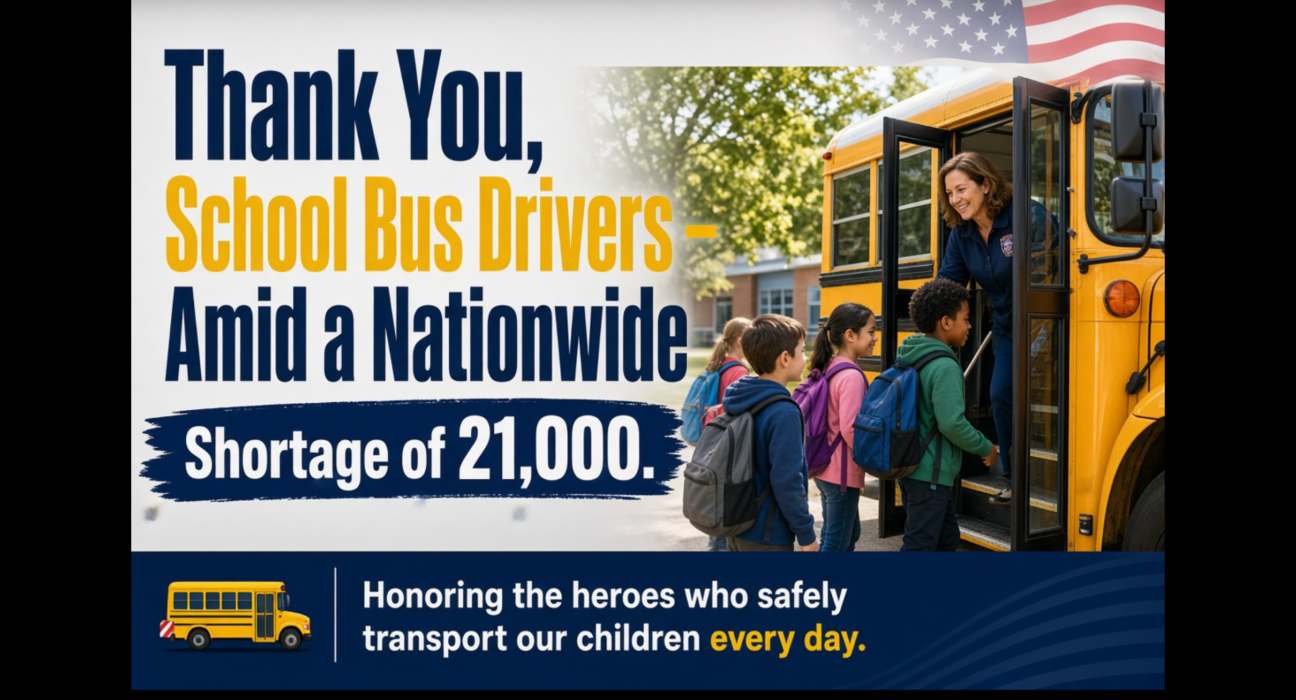
The shortage of bus drivers, especially for school routes, has lingered long after the pandemic, with employment still approximately 9.5% below pre-pandemic levels. Recent analyses indicate a deficit of about 21,000 drivers as of mid-2025. This situation is exacerbated by:
– An aging workforce, with the average school bus driver now between 54 and 55years old, is retiring at alarming rates. Over half of these drivers are aged 55 or older, with a notable share aged 65 or older.
– Recent surveys reveal that 81% of school administrators report shortages, leading to route reductions, combined stops, and drivers juggling multiple routes to keep services running.
Local districts in states like Florida, Ohio, Virginia, and Alabama, and even here in Tennessee, are scrambling to find drivers ahead of and during the school year, raising concerns about the reliability of student transportation. Also, charter schools and private schools compete with public schools for student transportation
Several interconnected issues contribute to this ongoing crisis:
-Despite recent wage increases aimed at attracting candidates, many school bus roles involve low pay for demanding split-shift schedules.
– Other driving jobs, such as package delivery, are drawing potential recruits away from school transportation.
– Navigating the complexities of obtaining a Commercial Driver’s License (CDL) adds another hurdle for prospective drivers.
Safety is of utmost importance when transporting our children. School and transit buses collectively carry tens of millions of passengers daily. Their safety record is commendable, but vulnerabilities remain
Failures in bus safety can affect many passengers simultaneously, particularly vulnerable groups like children. Buses operate amidst cars, pedestrians, and cyclists, increasing the likelihood of crashes involving other vehicles.
From 2015 to 2024, there were approximately 962 fatal crashes related to school transportation, resulting in around 1,069 fatalities. Most victims were occupants of other vehicles, emphasizing the need for reliable, well-trained drivers.
In the U.S., medical fitness takes precedence over age for drivers. There are minimum age requirements, but no maximum age limit exists as long as drivers maintain valid CDLs and pass medical exams.
Safety measures include mandatory physical exams with 24-month certifications, regular skills testing, background checks, and employer oversight.
The debate on age limits is complex. Advocates cite the risks of aging, while opponents stress the capabilities of older drivers and the potential impact on the workforce. Lowering the minimum age could also help address driver shortages.
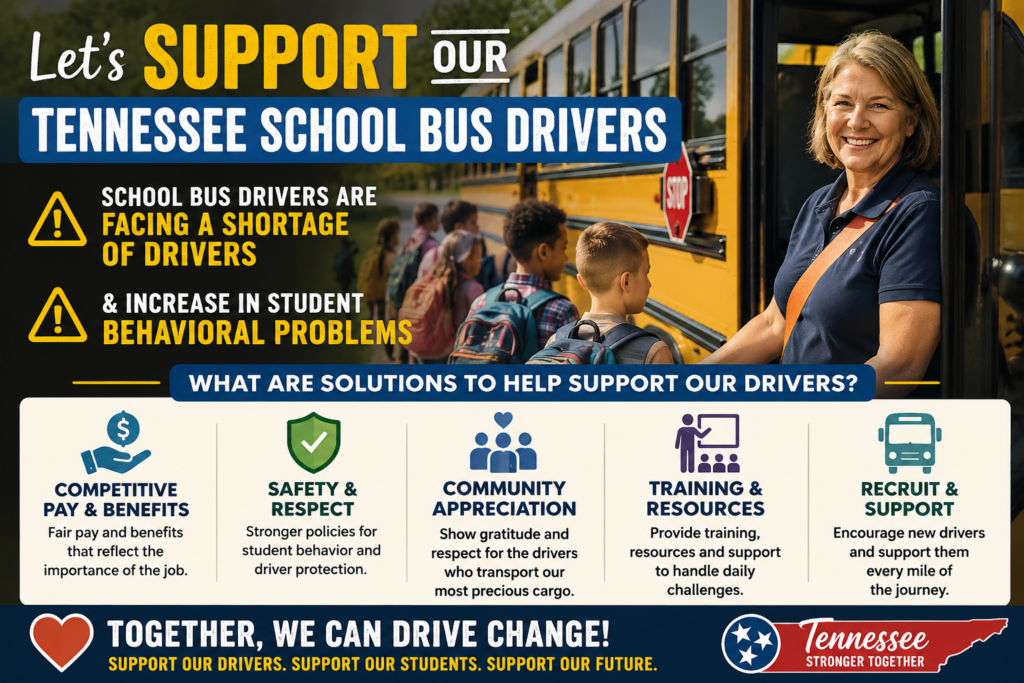
Addressing the bus driver shortage requires a multifaceted approach, such as improving pay, offering incentives, and creating pathways for younger drivers with the required skills and for retirees to return, which can help attract new drivers.
While current regulations are robust, there’s room for improvement in implementation and enforcement. Focusing on better training programs and conditions can improve long-term stability in this sector.
As we acknowledge the critical role that school bus drivers play, it’s essential to remember that they are not just drivers; they are caretakers of our most precious cargo — our children. Their commitment to safety, reliability, and community service deserves our gratitude and support.
We should frequently express our appreciation for these often-overlooked professionals. The challenges they face are significant, but so are their contributions to our society, ensuring that our children arrive at school safely every day.
##
JC Bowman is the executive director of Professional Educators of Tennessee.