

By Mike Sparks
I’ve always loved cars. My dad was a “car guy,” and that passion runs deep in my veins. I must have been playing with Matchbox and Hot Wheels long before I could spell my own name, dreaming about the day I’d own the real thing.


That day came at 16, when I sold my first car and, a year later, cleared a $1,000 profit—a fortune back then and early proof that hard work and smart decisions can pay off. To get there, I started working at the iconic Omni Hut restaurant in Smyrna when I was 13, earning $1.50 an hour and often walking to work when I couldn’t catch a ride with my neighbor, Major Walls. Camaro into something special.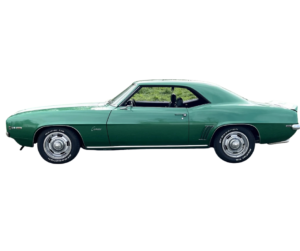
I had a local car lot, T-Bone Auto Sales, what is now Autoworld of Smyrna on Murfreesboro Road lay down a slick British racing green paint job with gold stripes, hunted down a set of used custom wheels from what is now Floyd’s Auto Sales on Murfreesboro Road near Florence Road for just $60, and had the bucket seats reupholstered for another $60 at a small shop on Rock Springs Road in Smyrna. From there, it was countless little upgrades, tweaks, and fixes.
My late father, a World War II veteran (stationed at Sewart Air Force Base-now Smyrna Airport), helped make that first car possible by bartering a Honda CX500 motorcycle he had about $500 in. Growing up watching him negotiate that deal and countless others—and then working beside him in the garage—taught me the real thrill of buying, improving, and selling cars, and, more importantly, how to spot value and avoid getting taken advantage of. I’ve made my share of mistakes along the way, and I’m writing this so you don’t fall into many of the costly traps that are out there.

Fast forward to today, and I’ve facilitated over 2,000 car sales across Tennessee, from California to New York, Costa Rica, Nigeria, Romania to The Czech Republic and more. I’ve seen the good deals that left both parties smiling, the bad negotiations where someone left money on the table, and the a few ugly deals that cost them thousands of dollars and headaches. If you’re planning to sell your car, there are various ways you should consider to get the best price for your vehicle without falling victim to fraud or leaving cash on the table. The main methods focus on trading in your car, selling it yourself, or getting an instant cash offer. In this guide, I’ll share the essential details about selling your vehicle in Tennessee—including where to start, how to prepare for maximum profit, and how to close the sale safely and legally.

Pro Tip: A one-owner car often sells for up to $1,000 or more because its history is clearer and more reliable.
Complete Guide to Selling Your Vehicle in Tennessee
Selling your vehicle privately in Tennessee doesn’t have to be complicated. This guide walks you through everything you need to know—from state laws to paperwork—so you can complete the sale smoothly and legally.

When selling your car, choose between an Instant Cash Offer, trading it in at a dealership, or selling the used car yourself. Even if selling a car privately, it’s wise to get backup offers from one or more dealerships for leverage. Selling a used vehicle yourself typically brings the most profit, but requires caution.
When selling your car, you can trade it in or sell it privately. Each has pros and cons for speed, convenience, and profit.
Understanding Tennessee Regulations
The Tennessee Motor Vehicle Commission only regulates licensed, professional sellers within the state. According to current Tennessee law, an individual can sell up to 5 vehicles a year, titled in their name, without needing a license. You can contact your local County Clerk’s office for specific requirements about selling a vehicle from individual to individual.

11 Essential Tips for Selling Your Vehicle Yourself
1. Choose Your Selling Method
When putting your car on the market, you’ll want to decide whether to trade it in at a dealership, sell it yourself, or get an Instant Cash Offer. The value of your car will vary depending on which method you use. Each option has pros and cons, such as the speed of sale, costs, and taxes.
Why Trade in Your Car?
– Fast and convenient
– No costs for listing and selling
– No texts, emails, or personal calls
– Potential to reduce sales tax on your new car
Why Sell It Yourself? (My personal recommendation)
– Negotiate directly with buyers
– Get paid more for your vehicle
– Save money because no dealer overhead costs
Why Use Instant Cash Offer?
– Quick and easy
– Can be redeemed immediately at a participating local dealer
– No obligations
PRO TIP: Always Obtain a Carfax or Autocheck—

How to Sell a Car Privately
While many online marketplaces exist, you can sell your used car privately by listing it on Kelley Blue Book, Facebook Marketplace, Car Gurus and our sites like Autotrader can help speed up the marketing. Once you gather all necessary documents, including the car’s title and service records, you can clean up your vehicle, take photos, and upload them to the site. If requested, you can also take buyers on a secure test drive and manage an inspection. When a buyer is ready to purchase your vehicle make sure you have cash or a good cashiers check before releasing the title. If possible do the transaction at the buyer’s or your bank to conform the funds are there and the check is real.
PRO TIP: To get a sense of what your vehicle is worth visit KBB.com, Edmunds.com, CarGurus.com, Autotrader.com for the retail value.
2. Gather Essential Documents
The selling process begins with collecting your car’s paperwork. Do not overlook this crucial step. It’s important to tackle this before you offer to sell your car.
What Documents Do You Need to Sell a Car?
– Car title. Keep your car title accessible but in a safe place for selling the vehicle.
– Service records.Show maintenance history to boost price and buyer confidence. These days, regular oil changes signal good upkeep to any potential buyer, who will see that the car is well cared for. Service records will be great to show any interested buyer. No receipts? Ask your dealer or mechanic for a summary.
– Original sales paperwork. Use your original sales paperwork or window sticker to confirm trim level and features that may increase sales value. This helps you get beyond the basics of year, make, model, and current mileage. For example, a 2021 Honda Accord may be an Accord EX-L, which may include optional high-selling features such as keyless entry, leather seats, or a head-up display. Options can bump up your car’s resale value.
– Vehicle history report. Know what’s in your vehicle history report. Be prepared to answer any questions about accident history.
PRO TIP: Visit Carvana and Carmax for a quote on what they’ll pay for your car.
The most important document to include during a sale is the title certificate. To officially sell a vehicle, the seller must transfer the title to the buyer. If there’s a lien on the title, the creditor “must release interest in the vehicle before the car is sold,” Cars.com said. By paying off the vehicle or by obtaining a lien release, one should receive their vehicle’s title certificate. If that document is lost, stolen or damaged, replacement can be offered by filling out a form RV-F1315201 at the Department of Motor Vehicles. The cost to produce a duplicate title is $14 at the Tennessee DMV.
Providing the buyer with comprehensive maintenance records can ensure confidence that you are transparent in your vehicle’s upkeep. Using vehicle history report platforms like CarFax or AutoCheck can simplify this process.
3. Prepare Your Car for Sale
A broken door lock lever, a cracked windshield, the clattering of a noisy exhaust pipe — it’s in your best interest to fix these things before putting your vehicle on the market. You’ll want to address the bigger mechanical issues unless you plan on selling your vehicle “as is” at a reduced price.
How Can I Increase the Value of My Car When Selling It?
Thoroughly cleaning your car helps increase its value when selling the vehicle. It’s another assurance for potential buyers that they’re getting into a quality automobile. If you’re not able to clean and detail your car yourself then consider having it professionally detailed. Basic detailing can cost a few hundred dollars (I’ve never paid that), depending on the size and condition of your car, and where you live. So be sure to shop around for a price and know what you’re getting.
Interior Tips to Sell a Car
– Remove all personal items and debris
– Shampoo carpets
– Clean the dashboard, seats, and mirrors, and otherwise put a shine on all surface areas
– Address and eliminate any odors in your vehicle
Exterior Tips to Sell a Car
– Remove all stickers and magnets
– Repair dents, dings, and scratches
– Replace any burned-out headlights or taillights
– Fix windshield chips and cracks
– Check the brakes and consider replacing them if they’re worn down
– Inspect your tires and determine if replacement is needed

You may think your car drives and shines like new, but its value depends on its actual condition. When determining how to sell a car, it’s important to be knowledgeable and realistic about the sales price. Some owners tend to overestimate the value of their car, which can lead to unrealistic expectations. If you ultimately set your asking price too high, you could experience trouble selling it.
How Do You Price a Used Car?
– Consider getting a mechanic’s assessment The mechanic can identify problems with the engine, plus things you may overlook, like a broken taillight or features you don’t use. Not only will this help you set the price to sell your vehicle, but it can also help before buyers take a look.
– Use valuation tools. Kelley Blue Book’s valuation tools will help you get a quick, easy, and accurate value for your vehicle.
– Peruse local listings. Check local listings to see what other similar vehicles with similar equipment and options are selling for in your area.
– Take the Kelley Blue Book Condition Quiz. This tool helps you determine your car’s true condition.
Keep in mind that a larger engine and a higher power rating will be worth more when gas prices are low, but can result in a price reduction if the used car market favors fuel efficiency. Options like leather seats (assuming they’re in good condition), navigation, and alloy wheels can be used as selling points to enhance a vehicle’s value. Kelley Blue Book has provisions to include those extras in calculating an accurate value.
When to Price Your Car Higher
– Warranty. You’ll get more money for your vehicle if it’s under a regular or extended warranty, provided it is transferable.
– Regular maintenance. If you’ve kept up with regular maintenance, including if you recently completed major scheduled maintenance, such as a 60,000-mile service, it adds to the bottom line of the sales price.
– New tires or brakes. If you’ve purchased a new set of tires or installed new brakes, you can add them to the sales price.
When to Price Your Car Lower
– Quick sale. Lowering the price helps you sell your car quickly.
– Needs maintenance. If the vehicle needs a major scheduled service, new tires, or brakes, that will lower the price.
– Accident(s). These mishaps will lower your sales price, whether a little fender bender or a major collision.
5. Create an Effective Advertisement
Once you’ve decided to sell your car privately, reach the largest audience possible by selling it online. Alwasy post good pictures and many of them. You can stand out to buyers interested in your car with a detailed description and several good photos.
Selling your car online also allows you to field questions first, which will help you weed out any unlikely buyers and limit your time showing the car in person.
What to Include in a Car Advertisement
– Start with a brief description. Highlight your car’s most in-demand features, such as low mileage, high MPG, any remaining warranties, and special features like autonomous driving.
– Mention why you’re selling the car. Buyers want to know this most of all, so deal with it upfront.
– List the vehicle’s condition. Be honest about the vehicle’s condition and list the vehicle identification number, or VIN, to reassure buyers that you’re not hiding anything. The VIN allows potential buyers to search vehicle history easily.
– State your asking price and negotiating terms. Begin by posting your car’s Blue Book® Value, followed by your asking price, then explain why you’re asking more or less than the Blue Book® Value. State whether the price is “firm,” “negotiable,” or “best offer,” as this will help you target buyers.
– Define acceptable payment forms. Include information about the types of payment you can accept, including touchless online payments, certified checks, or an escrow service.
– Include lots of images. Buyers love to feel like they’re inside the car, so include several exterior angles and close-ups of the interior, dash, and engine. Take a few videos inside and out for serious buyers that you can send during the process.
6. Prioritize Safety During Private Sales
When you sell a car to a private party through an online marketplace, including Facebook or craigslist, you’ll want to remember these safety tips to ensure a positive outcome for everyone involved.
Expert Strategies for Safe Transactions
– Meet in a safe area. Meet potential buyers in safe areas, such as well-trafficked retail or restaurant parking lots with security cameras. Local police departments’ “online safe zones” can also be an option.
– Bring a friend or mechanic. Always bring someone with you for a test drive or even the sale of your car. I remember a guy in high school let a man test drive his car and he never returned.
– Tap into a verifiable escrow service. For a fee, an escrow service takes a buyer’s payment until the deal is done. This type of third-party service protects both parties from fraud. If the buyer suggests one, check the source first before agreeing to anything and determine who pays the fees. Beware of fake escrow services. Use only verifiable and trusted escrow services.
– Choose only legitimate forms of payment. Cash is king, but not so much for large transactions. Stick to online forms of payment, if possible, or escrow services. As a last resort, only accept cashier’s checks from reputable banks or credit unions and confirm funds prior to acceptance. However, it can be hard to distinguish between a real cashier’s check and a fake one. So, to ensure a safe transaction, take a cashier’s check only when you can meet the potential buyer at their bank, because you can verify the funds on the spot.
PRO TIP: Never take a money order, certified check, or personal check from someone’s bank account. If you encounter a problem, you may not find out until your car is long gone with its new owner.
Create a Paper Trail
When selling through a dealership, the paperwork is handled for you. However, you must keep track of the paperwork when selling to an individual.
– Title transfer: Each state has different requirements for transferring a vehicle title. However, most states require the seller and the buyer to complete paperwork to ensure the transfer is legal. Typically, the seller signs and dates the back of the existing title and adds the sale price and the exact odometer reading before handing the keys over to the buyer. Do not round up on your odometer reading. Keep it exact. Once you let the buyer drive away, you do not want to be legally held responsible for anything. **TIP:** Make a copy of both sides of the signed title for your records. Use a smart device to take photos of the documents.
– Bill of Sale and Release of Liability: Whether or not the state where you live recommends that buyers and sellers complete a “bill of sale” and “release of liability,” doing this is an excellent way to protect yourself during and after the transaction. A “release of liability” form provides proof of the transfer and protects the seller from any future tickets, violations, or other problems with the vehicle after it’s sold. DMV.org, a clearinghouse of all state DMVs, provides a sample Bill of Sale and a Release of Liability information. Send in the signed “release of liability” to your state DMV. This is important to ensure that the seller is not held responsible for anything that happens to the vehicle after the sale.
– Remove license plates and turn them in. I’ve made this mistake on. A few occasions and allowed a buyer to use my tag to drive home and they never returned it. Let the buyer know beforehand that you will be removing your license plates from the car at the time of sale. Let the buyer make their own license plate arrangements to drive off with the car. Many states require that you turn in your old license plates to the DMV and get a receipt, which cancels the vehicle registration in your name. Taking the plates removes your liability once the car is sold.
Ways to Protect Personal Information
Before handing over any service records to a potential buyer, block out any sensitive and personal information. If you originally bought the car from a dealer, remove any contract or completed credit application from your glove compartment or owner’s manual. You wouldn’t want this information to fall into the wrong hands, as it may contain your social security number and any previous addresses.
How to Create a Safe Test Drive When Selling Privately
– Plan ahead. Discuss with the potential buyer their plans and yours, and be honest about your limitations. Don’t be afraid to ask about theirs. When both parties are comfortable, it paves the way for a successful sale. It takes away the guesswork.
– Test drive with others present. When a potential buyer wants to take a test drive, always accompany the person, regardless of what kind of collateral they offer. Ask a friend or family member to join you. The potential buyer may also want to bring someone else along. Only take the test drive if you’re comfortable. Plan a test drive that’s short and sticks to populated areas. Most buyers don’t expect a long test drive. If your buyer wants more time, let the person ask you for it.
– Check your insurance for coverage of other drivers. Check to make sure your auto insurance covers any test drive, and ask to see the potential buyer’s driver’s license before handing over your keys. Take a picture of the license, just in case anything happens.
– Refuse unusual requests. If you feel uncomfortable, say no and come up with alternatives. For example, never drive the would-be buyer to another location. Often, such a request is framed as getting the money or arranging a loan to finish the sale. Instead, tell the buyer to make their own arrangements, leave a deposit, and get back in touch when they’re ready to take a test drive or complete the sale. It’s best to meet the buyer at a safe location like a police station or busy shopping area.
PRO TIP: Get an Instant Cash Offer and compare it to any from private buyers. It also comes in handy as a backup if the buyer’s offer falls through.
7. Handle Pre-Sale Inspections
While it’s not required in Tennessee, it’s a good idea to allow your vehicle’s potential buyer to have the car or truck inspected “by a qualified and licensed mechanic of their choosing,” according to Cars.com. The buyer should pay for this inspection, but both parties should agree on when and where the inspection is conducted. Additionally, if the inspection concludes with any vehicle issues, make sure to obtain a report of the inspection.
Buyers often ask for presale inspections. They are worth the investment because they are just one more tool for putting buyers at ease. Some buyers may want their mechanic to take a look under the hood. Getting a presale inspection of your vehicle before you put it up for sale will equip you with information that a buyer will find if they want an inspection. It may also prevent a buyer from needing to get their own inspection. If the buyer still insists on using their mechanic, meet the person only at reputable businesses and drive separately.
8. Master Price Negotiations
The benefit of using the instant cash offer or selling your car to a dealer is that these methods can eliminate price haggling. When selling your vehicle to a private owner, let the buyer take the lead in negotiations. Ideally, you’ve given yourself some padding on your asking price so the buyer can either accept the price or counteroffer.
– Determine your lowest acceptable offer. Know your lowest acceptable offer beforehand and consider the number of possible buyers you have in hand. The art of negotiation involves feeling confident that other buyers may be out there if you can’t agree on a price. Due to the high cost of new vehicles, some buyers may be willing to pay a higher price for a used car, so bear that in mind.
– Be realistic. If a buyer offers below your lowest acceptable sales price, be prepared to move on. Suggest that they contact you if they reconsider. But if the buyer makes a reasonable offer, be prepared to say yes.
– Bring paperwork. Be prepared to sell your car on the spot if the buyer wants to complete the sale. Remember to bring your car title and all the collected paperwork to the meeting, but keep it in a safe place until decision time. If using the Private Seller Exchange, the site collects the title and payment. Just make sure not to release the vehicle until the payment clears and you get the all-clear.
9. Complete Essential Paperwork
Unlike some states, Tennessee does not require a bill of sale, but Cars.com said it’s still smart to obtain one. Using online platforms that offer bill-of-sale templates can help ease the process.
You’ll need the vehicle title to complete the car sale when selling it yourself. Check with your state’s rules regulating title transfer at a local motor vehicle division office. In many states, the buyer needs to transfer the vehicle by doing the following:
– Retitle the vehicle
– Register the car in their name
– Pay transfer fees, including state taxes
Typically, you can complete those steps at the local DMV office. If the buyer is from out of state, they can do this when they return home. Many states require the seller to provide the buyer with a current smog check or state inspection certificate showing the vehicle passed emissions before transferring ownership. Be sure to have this available at the time of sale.
Sellers in some states must notify the county tax assessor’s office of the sale, which provides another layer of protection if the future owner fails to properly title the vehicle. While most private car sales finalize without a hitch, staying smart and taking preventive measures is still important.
PRO TIP: If using the Kelley Blue Book Private Seller Exchange, the site collects the title and transfers it to the buyer.
Tennessee Notarization Requirements
If the title is based in Tennessee and Kentucky, a notary does not have to witness the signing. But if the title is from another state, notarization is required.
10. Choose Secure Payment Options
When the buyer decides that your car is the one for them, and you’ve agreed on a sales price, the smartest next step is determining which payment option works best. For example, touchless online payments, such as Venmo, Zelle, or PayPal, may seem safe to collect the payment. However, there are caps for large payments, so these may limit usefulness. All these payment options keep your bank information hidden and your personal information safe as the buyer pays you directly for the car. Any of these methods will help protect a seller against fraud.
Should I Accept a Cashier’s Check for a Car?
As mentioned earlier, if the buyer wants to pay by cashier’s check, stay cautious about accepting it. While they are drawn directly from a bank, not someone’s account, they can be counterfeit. It’s best to take precautions and use your gut. Meet the buyer at their bank and verify the funds in person during daytime banking hours. Using Kelley Blue Book’s Private Seller Exchange allows for the secure transfer of funds and handles it for you.
Should I Accept Cash When Selling a Car?
Some buyers prefer to pay for a car with physical currency, and some private sellers may ask for payment in bills. Using cash is simple and instant. However, you must weigh those benefits with the disadvantages of accepting cash when selling your car. Carrying a large sum of money might make you feel unsafe, fearing theft or robbery. Another concern for sellers is being vulnerable to fraud if a buyer uses counterfeit bills. If you choose to accept a cash payment, complete the transaction in a safe place.
11. Understand Odometer Disclosure and Final Requirements
I was almost scammed last year by a seller in LaVergne who was advertising a 2018 Honda Odyssey van. My gut feeling told me something wasn’t right. I had my wife run a Carfax and noticed he had recently purchased the van at the Nashville Auto Auction and the mileage was 30,000 miles higher than what was on the van. When I asked him about it he began stuttering in his foreign accent. I told him folks can go to jail for this type of fraud. I later notified the Tn Department of Motor Vehicle which I highly doubt if they even followed up—just sayin.’
Beginning in 2021, the National Highway Traffic Safety Administration (NHTSA) began to stretch the odometer exposure requirements for model years. Originally, vehicles more than 10 years old did not require an odometer disclosure, but each year since 2021, that number has incrementally grown. For example, to sell a vehicle in 2025 without a required odometer disclosure, vehicle model years must be at least 15 years old.
Remove License Plates and Cancel Insurance
Make sure to remove existing license plates before the final sale. “If you do not do so, you may be liable for any violations after the buyer has taken possession of the vehicle,” Cars.com stated. Additionally, vehicle insurance should be canceled in a timely manner after the plates have been removed to avoid paying to insure a car no longer in the seller’s possession.
Gifting or Transferring a Vehicle in Tennessee
Whether it’s a death, inheritance or a gift, transferring a car into another name can be complex.
In the case of gifting a car to a relative, the beneficiary needs to file a Non-Dealer Transfer affidavit, also known as a form RV-F1301201, at a DMV office.
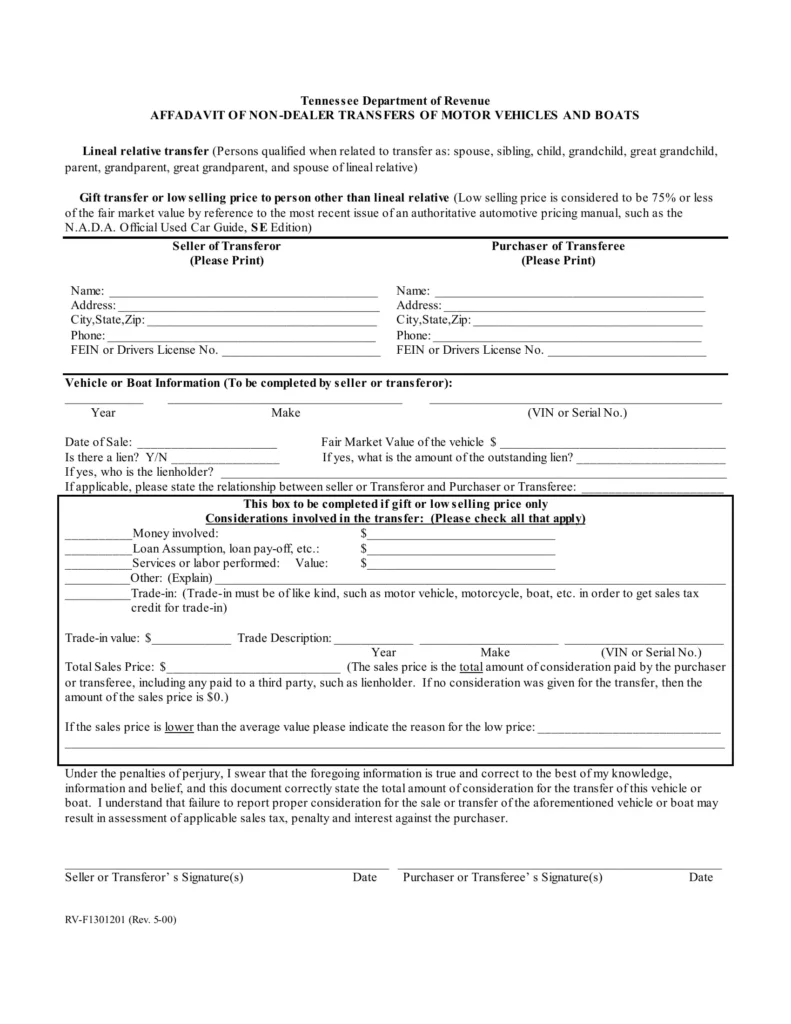

To inherit a vehicle, one needs to file an affidavit of inheritance or form RV-F1310501 and include the vehicle title. Additionally, to transfer and modify the title and registration to a surviving spouse, one must file a form RV-F1315201. While there’s no fee if transferred within the first year of death, the fee applies after that. A form RV-F1310501 may also apply.
Final Thoughts—Seller Beware!
I don’t profess to be an expert—even the best and brightest can make costly mistakes. Selling a car privately takes time and effort, but by following these 11 essential tips and understanding Tennessee’s specific requirements, you can maximize your profit while ensuring a safe and legal transaction. Whether you choose to sell privately, trade in your vehicle, or accept an Instant Cash Offer at Carfax or a dealership, being prepared with the right information and documentation will help you navigate the process with confidence.
To reach Mike Sparks email him at MikeSparksTn@gmail.com