Hidden in Plain Sight: The Ewing Family Cemetery at Ellington Agricultural Center
By Mike Sparks
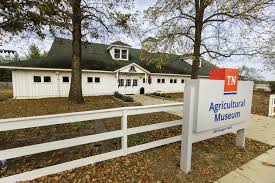
A friend of mine with the Department of Agriculture invited me to stop by Ellington Agricultural Center in Nashville yesterday. What a beautiful area full of history. Most people probably visit Ellington Ag Center for the trails, the gardens, or the old horse barns turned museum. It’s been a few years since I’ve visited. Former Tennessee General Assembly Speaker of the House Beth Harwell used to host an event called, a Tennessee Homecoming. The event brought both current and former state lawmakers together. It was one of the few times you’d see both democrats and republicans sit down and eat a meal together.
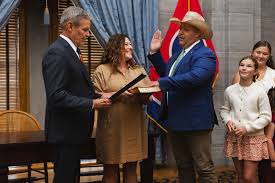
Governor Bill Lee appoints Andy Holt Commissioner of the Dept. of Agriculture
My friend and former legislative colleague Andy Holt is now the Commissioner for the Department of Agriculture. Those that know Andy would no doubt say he is not only a great guy, awesome father and husband, but cares deeply for Tennesseans and our farmers and ranchers. I’ve always admired him for being his own man.
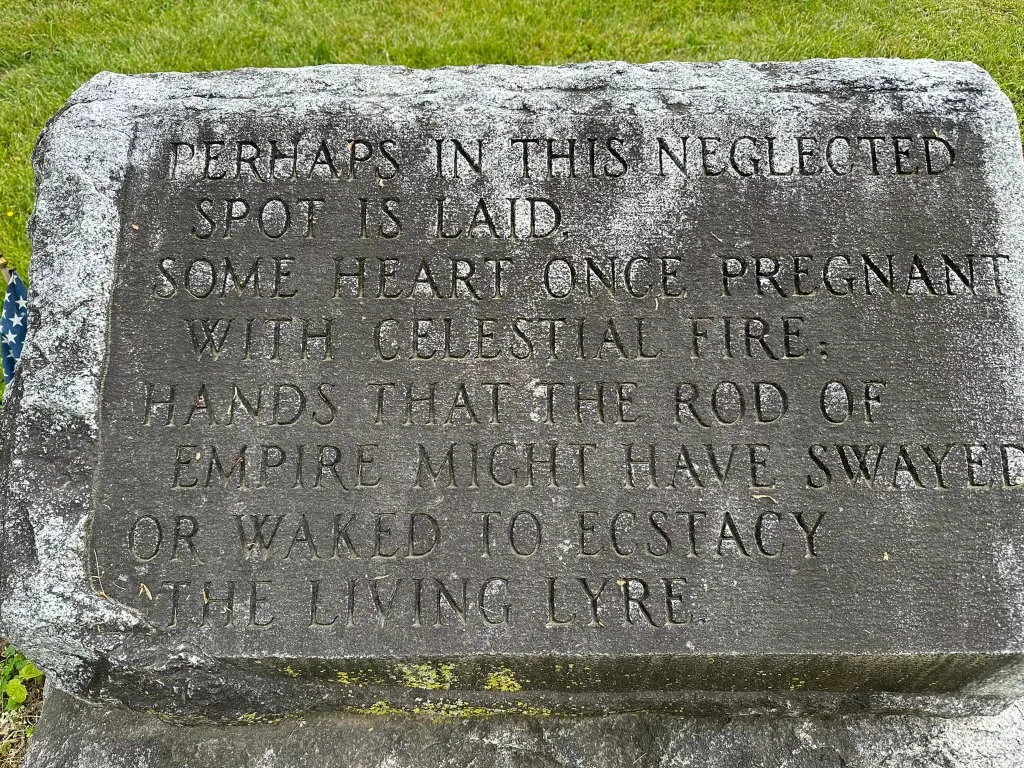
Most visitors walk right past: a small family cemetery, tucked behind one of the state buildings and it’s easy to miss if you don’t know to look.
I decided to shoot a short video of the cemetery (I will add the video later). But the history behind that quiet patch of ground deserves more than a minute and fifty-eight seconds.
Land Older Than the State Buildings Around It
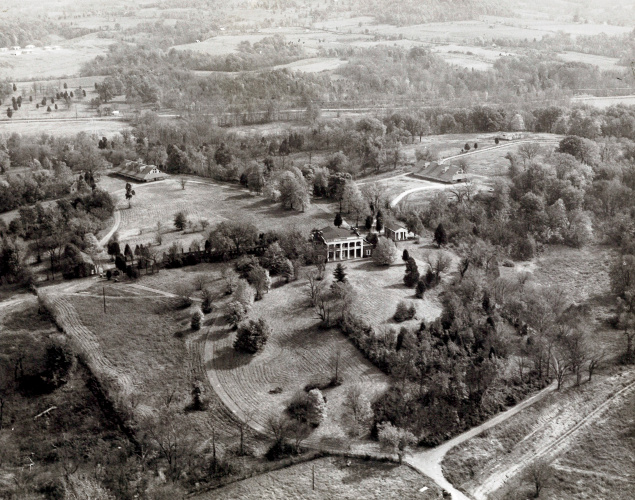
The 207 acres that make up the Ellington Agricultural Center, located at 440 Hogan Road, have a history that stretches back to the earliest days of Tennessee settlement. After the Revolutionary War, veterans received land grants for their service. In 1788, William Ewing received one of those grants on the ground that would, nearly two centuries later, become the headquarters for the Tennessee Department of Agriculture.
The Ewing family farmed this land, lived on it, and buried their dead on it. That family cemetery, the William and Margaret Love Ewing Cemetery, still sits on the property today.
The estate later passed through the hands of the Caldwell family, whose financial empire collapsed during the 1929 stock market crash and the Great Depression that followed. The state eventually took possession of the property. In 1957, then-Commissioner of Agriculture Buford Ellington moved the Tennessee Department of Agriculture onto the land, and in 1961, after Ellington was elected governor, the property was renamed in his honor.
Through all of that, the cemetery stayed.
What the Stones Tell Us
Walking the grounds, I could make out headstones dating from the early 1820s to as late as the 1940s. Time and weather have worn some of the lettering down, so those dates should be read as a range rather than an exact record. But the span tells its own story: more than a century of one family, born, raised, and laid to rest on the same ground, through statehood, through war, through the rise and fall of a financial empire, and into the modern era of state government.
Why It Matters
While standing there in the office, I started wondering what was on this ground before the Moss Building and the Caldwell Mansion. We build new things on top of old stories all the time. Office parks and residential developments rise where farms once stood. Government buildings replace family homesteads. And it’s easy to forget the people who cleared the ground first, who worked it, who are still there if you know where to look.
That’s why I stopped. Remembering is its own kind of honor, and Tennessee has no shortage of history like this hiding in plain sight, on land we drive past every day.
If you’ve found a forgotten cemetery, homeplace, or piece of history near you, I’d like to hear about it. Reach out through TennesseeLedger.com or tune in to Conversations with Mike Sparks on WGNS, Sundays from 5 to 6 PM. My email is MikeSparksTn@gmail.com
This article sponsored by Cantrell’s Concrete. If you need a driveway, concrete slab or even a house built Darrell Cantrell can help. I’ve used Cantrell’s Concrete on many occasions. I even ‘bartered’ a Chevy pickup truck for a concrete slab at my former car business with Cantrell’s Concrete.