What a frontier legend and my old opponent taught me about losing with grace
Publisher’s Note: A Class Act at City Cafe and a Lesson I Carry Forward
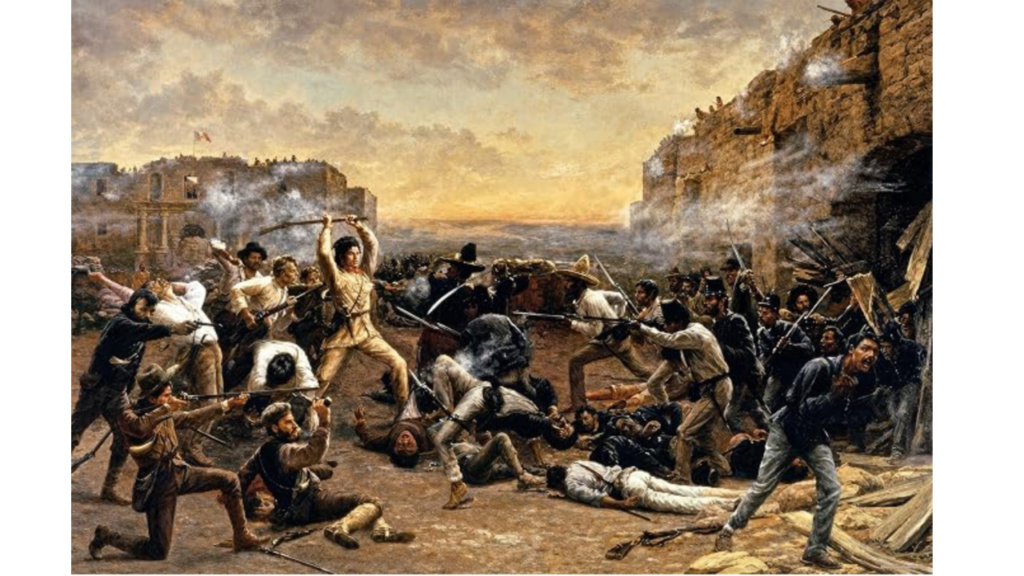
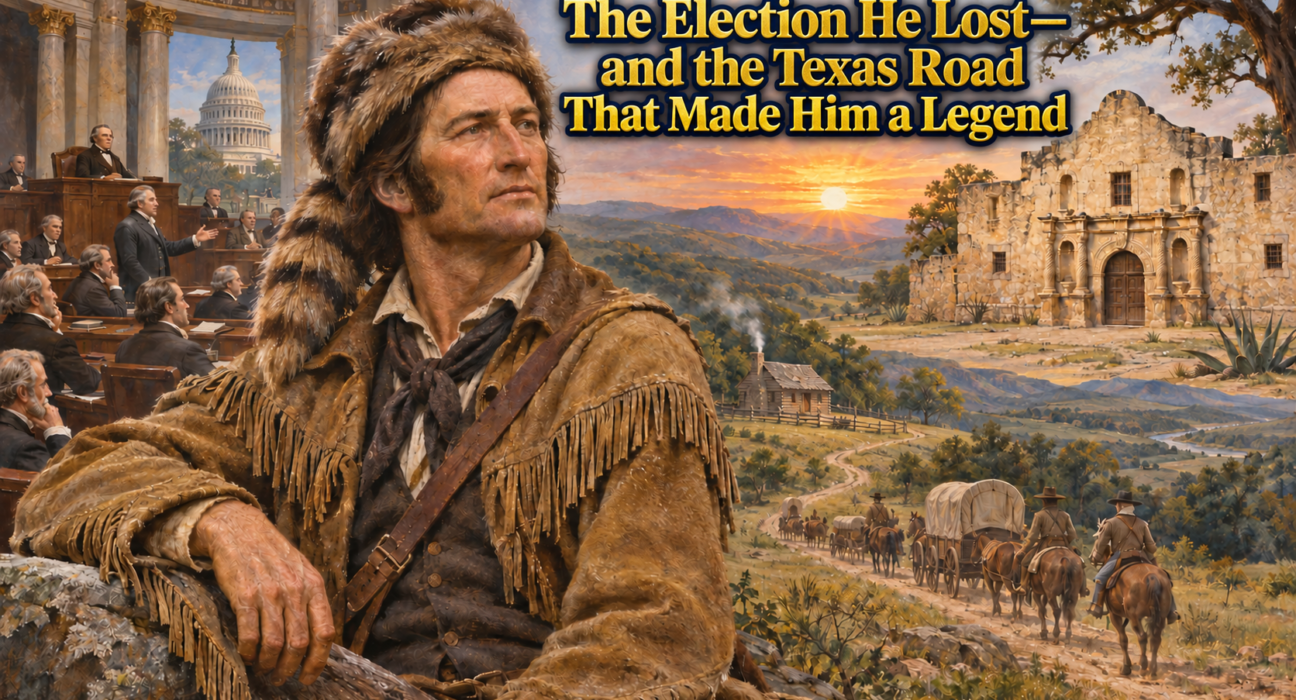
The famous story goes that after losing his seat in 1835, Davy Crockett told voters, “You may all go to hell, and I will go to Texas.” I lost my seat this November. I understand the feeling, but I’m choosing a gentler send-off.
An election loss naturally leaves you wondering what happened. Several factors may have contributed: frustration over the cost of food, housing and gas, and concerns that the war in Iran could add to economic uncertainty and fuel costs. Here in Rutherford County, a local shift helped Democratic challengers flip three Tennessee House seats, including District 49.
That is the reality of politics. But as I reflect on my 16 years in public service, another election comes to mind: the one I won in 2010.
After I won, my opponent, Kent Coleman, called me. He seemed almost relieved that he had lost. Kent had been battling cystic fibrosis, and people often described him as one of the disease’s longest-surviving patients.
I asked if we could have lunch. A few weeks later, we met at the former City Cafe in Murfreesboro. I asked him, “Kent, why does no one seem to be talking about addiction in our county? Sometimes I feel like I’m the only one who cares about this issue.”
He replied, “Mike, if people haven’t been affected by drugs, they probably don’t care. Why don’t you ask the next Speaker of the House to appoint you to the Health Committee? You could make a difference there, and it might help you raise money for your next campaign.”
I was astonished. My opponent wasn’t just offering advice about how to address addiction. He was helping me prepare for my next election. Kent was a class act. He remembered my wife Felicia’s name and sent her a birthday card every year, even when some people called her Alisha. Before I ever ran for office, Felicia had voted for Kent.
After 16 years of service, I’m grateful to the people of Smyrna and Rutherford County who trusted me to represent them. Kent’s kindness reminds me that public service is also about how we treat one another, especially when we’ve been opponents. His example is one I hope to carry forward. As the scripture states:
“Be kindly affectioned one to another with brotherly love; in honor preferring one another.” (Romans 12:10, KJV)
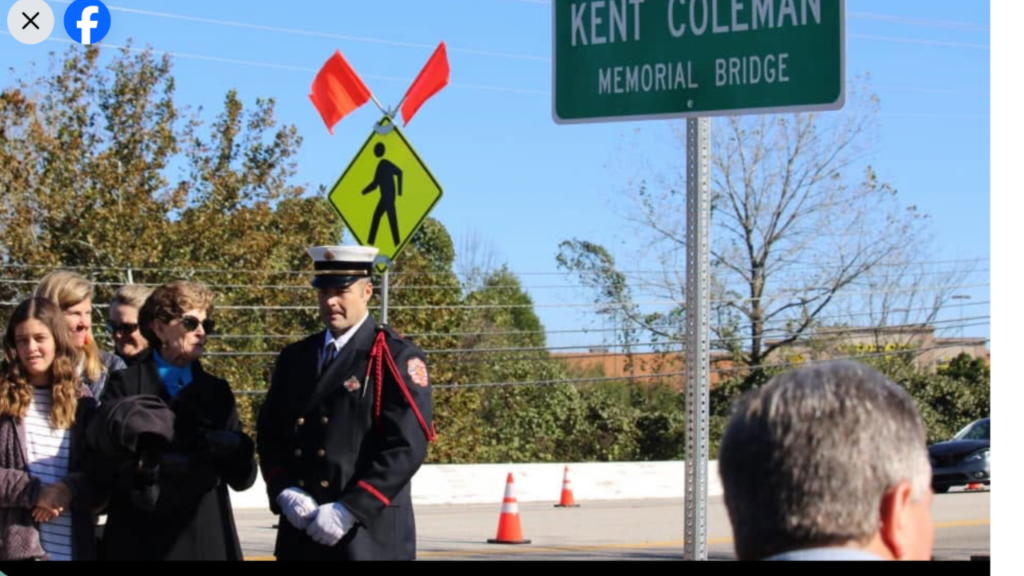
Bridge Named To Honor The Late Kent Coleman
___________________________________________________________________

The Real Davy Crockett: From Tennessee Backwoods to the Alamo
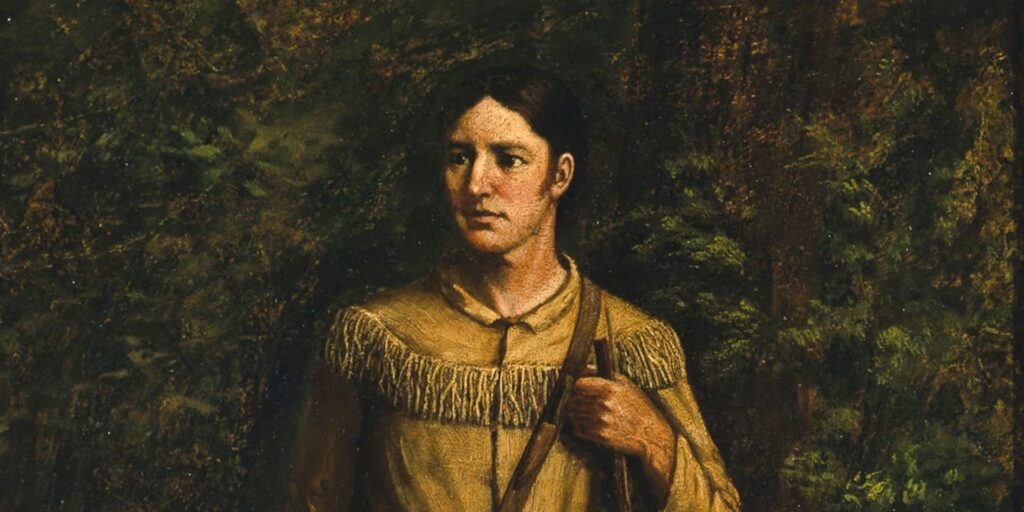
Few Americans have been remembered as much as they have been mythologized. David Crockett was a poor farm boy from East Tennessee who became a legislator, a congressman, a bestselling author, and finally a martyr of Texas independence. The legend got a head start while he was still alive.

A hardscrabble start
Crockett was born on August 17, 1786, in East Tennessee, one of nine children of John and Rebecca Hawkins Crockett. His father never found steady financial footing, so the family kept relocating, and young David was frequently sent to work for other households to help cover what they owed. Formal schooling barely figured in his life. The wilderness taught him instead, and by his teens he was a capable hunter, tracker, and woodsman.
Marriage and family
In August 1806, Crockett married Mary “Polly” Finley, reportedly after an earlier engagement fell apart. They had three children, John Wesley, William, and Margaret, and settled on a Franklin County farm he called “Kentuck.” Polly died in 1815. Crockett later married Elizabeth Patton, a widow with two children of her own, and the couple added three more: Robert, Rebecca, and Matilda.
Soldier and scout
In 1813, Crockett joined the Tennessee militia and scouted for forces fighting the Creek in Alabama. He took part in the attack at Tallushatchee, which came in response to the Fort Mims killings. He later signed up again and served under Captain John Cowan in Florida, where Andrew Jackson’s army was driving out British troops and their Native allies. After his 1815 discharge he went home, lost Polly, and eventually moved the family to Lawrence County.

Rise in public life
In Lawrence County, Crockett ran several ventures and quickly found himself in local office. He served as a town commissioner, a justice of the peace, and a lieutenant colonel in the militia. He then won a seat in the state legislature, where he pushed for the tax and land interests of poor settlers and sharpened his talent for public speaking. After floods destroyed his businesses, he moved west and won another legislative term in 1823.
Congress was a harder climb. He lost his first bid in 1825, then won in 1827 and 1829, lost in 1831, won again in 1833, and was defeated for good in 1835. Crockett began as a Jackson supporter but increasingly broke with him. In Washington he was known for his stories and mocked by some as the “gentleman from the cane,” a jab at his rural roots.
Legend in his own time
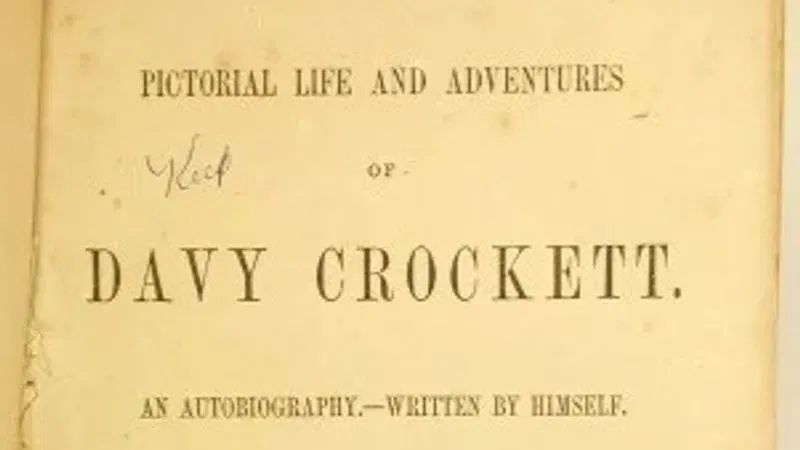
Fame arrived early. A 1831 stage play, The Lion of the West, offered a loose, exaggerated take on a Crockett-like character, and tall-tale almanacs about his bear hunts circulated widely. Hoping to reclaim his own story, Crockett published an autobiography and toured to promote it. After losing his seat, he told his former constituents he was done with them and headed for Texas.