
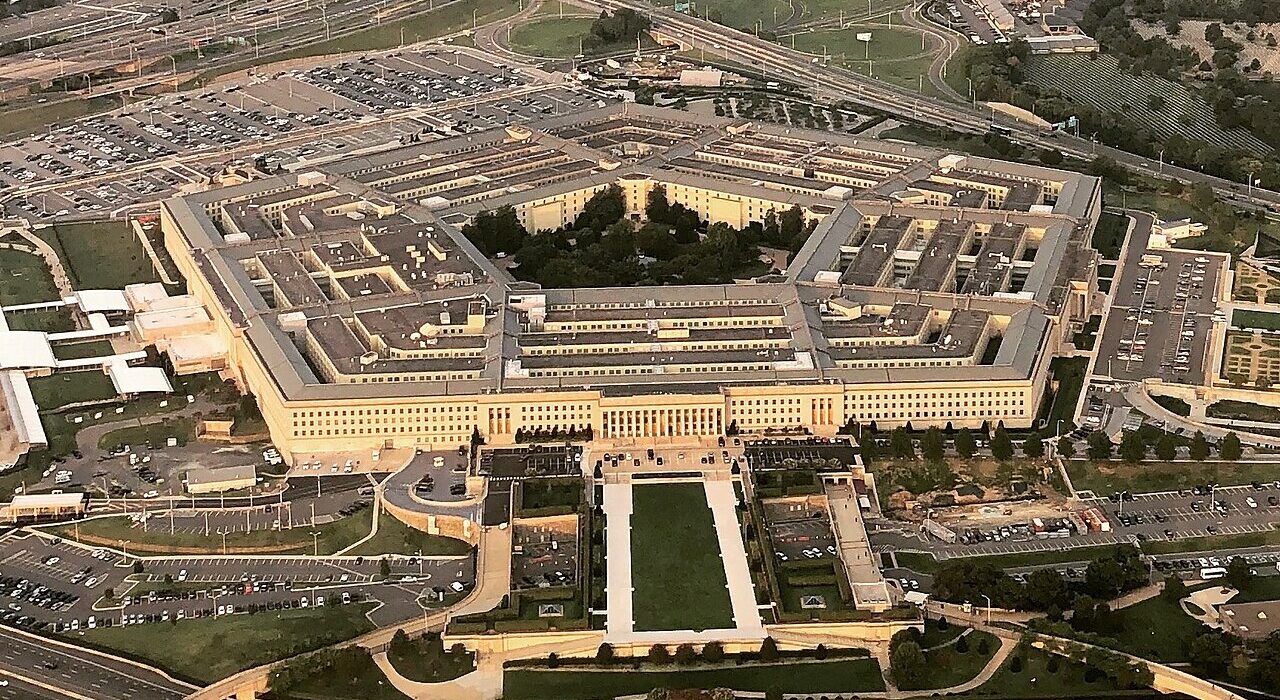
Selling of the Pentagon
02/23/2026
This week marks the 55th anniversary of one of the most consequential broadcasts on American television, “The Selling of the Pentagon.”
This CBS News documentary exposed efforts by the Pentagon to influence public attitudes towards the war in Vietnam through personal contacts, promotional films, and commercial media.
Certainly the government has the right to present its point of view, just like it is the right of the media to act as a check on what government officials say.
There were also complaints about how various interviews were edited, but it was the follow-up to the program that stirred the most controversy, and should act as an object lesson today.


The film sparked a massive response from Congress, as representative Harley Staggers conducted Congressional hearings, and sought to force CBS to turn over outtakes from the program, and when CBS refused, pushed Congress to cite CBS president Frank Stanton for contempt.
Congress declined to issue the contempt citation, and “Selling of the Pentagon” is sometimes compared with the Pentagon Papers for its impact on the First Amendment.
It’s also interesting to note “The Selling of the Pentagon” controversy was playing out at the same time the Pentagon Papers legal fights were underway in the courts.

Actually, “Selling of the Pentagon” was only one of a whole series of programs CBS used to call attention to issues facing the country.
“Harvest of Shame” told of the plight of migrant workers, in 1960; in 1969 CBS aired “Hunger in America,” and “The Guns of Autumn,” in 1975, which caused a backlash even before it was aired.
What is of particular interest is that in the case of “Selling of the Pentagon” and “The New York Times” publication of the Pentagon Papers, the network and the newspaper did not back down from criticism from either private citizens or the government, despite threats of retaliation against both.
How different things are today, when just the mere threats from the government officials often leads to capitulation. But it is a well-worn truth that the role of the news media is to comfort the afflicted, and afflict the comfortable.
I’m Larry Burriss

